
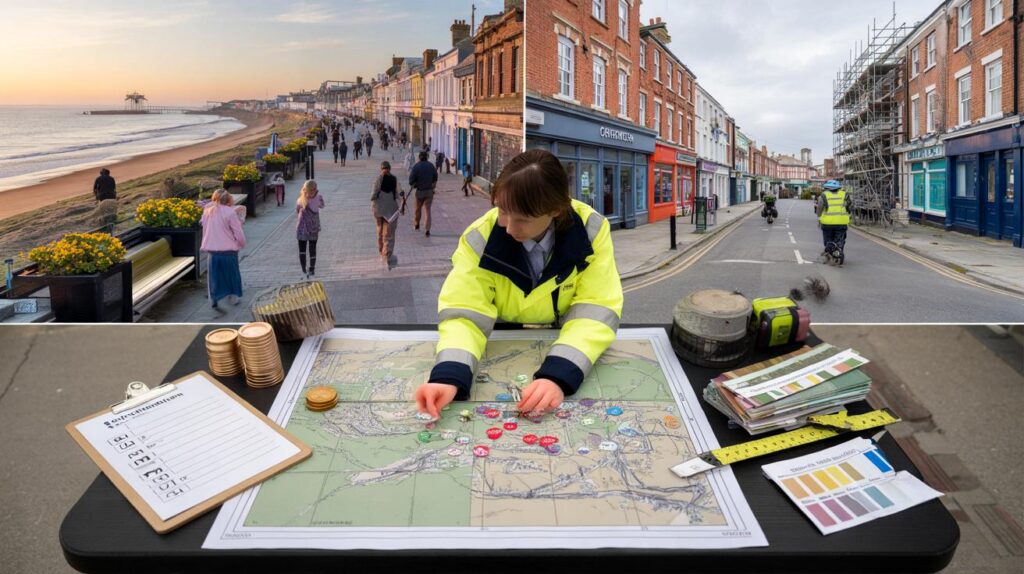
Two Sussex communities sit at the heart of a fresh push to revive high streets, parks and public spaces across the South East.
Ministers have unveiled a new Pride in Place drive that sends a wave of cash into local hands, with West Sussex and East Sussex both named in the first round. The approach backs neighbourhood-led renewal and promises visible change on pavements, shopfronts and community assets.
What the £292m South East pot means for Sussex
Toddington and Wick in West Sussex will share a long-term deal worth up to £20 million over ten years. Hastings in East Sussex receives a swift £1.5 million boost aimed at projects that people can see and use within months. The money sits within a wider national plan worth £5 billion, launched this week by Prime Minister Keir Starmer as part of the government’s Plan for Change.
West Sussex gets a decade-long pipeline worth up to £20 million for Toddington and Wick; Hastings gains £1.5 million now for quick, tangible upgrades.
| Area | County | Fund stream | Amount | Timeframe | Primary aim |
|---|---|---|---|---|---|
| Toddington and Wick | West Sussex | Pride in Place Programme | Up to £20m | Ten years | Neighbourhood renewal shaped by residents |
| Hastings | East Sussex | Pride in Place Impact Fund | £1.5m | Immediate | Visible improvements to high streets and public spaces |
Government documents say 169 places across the UK will receive long-term settlements worth roughly £2 million a year, while a further 95 areas gain fast-track grants of £1.5 million. The South East share totals £292 million, with named areas including Fratton West, Leigh Park and Sheppey East in the long-term stream, and Slough, Portsmouth, Hastings and Thanet among those getting immediate capital.
Toddington and Wick: a decade-long plan with local control
The Toddington and Wick allocation aims to give residents certainty. A ten-year horizon supports projects that need patient planning: team sports pavilions, youth facilities, safe walking and cycling links, or a phased high street refresh. Councils can budget for multi-year contracts. Community groups can plan volunteer programmes knowing funds won’t disappear next spring.
How local people will steer the cash
- Residents’ panels and neighbourhood forums will set priorities and check progress.
- Small grants can back quick wins, while larger schemes follow feasibility and design work.
- Councils can combine the fund with developer contributions to stretch each pound further.
- Community asset transfers may bring empty buildings into public use for libraries, hubs or start-up space.
The structure points to around £2 million a year across a decade, creating room for both quick wins and deeper renewal.
Experience from earlier regeneration schemes shows what tends to work: lighting upgrades that make routes feel safer; planting and pocket parks that lift mood and footfall; shopfront grants that tempt new traders; and investment in youth provision that reduces anti-social behaviour. Residents will expect transparent choices and clear milestones.
Hastings: quick fixes and visible upgrades
Hastings’ £1.5 million sits in a different pot with a faster pace. Officers can move at speed on resurfacing, benches, bins, planters, play parks and wayfinding. Targeted mini-projects can knit together bigger change: tidier seafronts, brighter alleys, safer crossings and welcoming gateways near station and town centre.
What £1.5 million can actually buy
- Refitted play areas and multi-use games courts in estates that lack safe spaces.
- Shopfront improvements on struggling parades to help new tenants open doors.
- Green corridors linking schools, housing and parks with better lighting and planting.
- Upgrades to community halls so they can host youth clubs, lunch clubs and advice sessions.
Public visibility matters. A tidy, well-lit route to the high street can lift evening trade. A renovated pocket park can draw families back at weekends. Small steps, delivered quickly, influence how people feel about where they live.
Powers and promises: it’s not just about the money
Ministers say communities will gain fresh tools to tackle blight. New powers would help residents and councils act when shops sit empty for too long, when nuisance premises damage quality of life, and when a valued venue sits on the brink of closure. The promise is to cut red tape and let locals decide what to fix first.
169 areas gain long-term settlements worth up to £20 million over a decade; 95 get £1.5 million for rapid, visible improvements.
Senior figures frame the plan as a shift in who decides. The Prime Minister ties the package to a broader push for cleaner streets, more chances on the doorstep, and the infrastructure that supports growth. The Housing Secretary stresses that decisions start with residents rather than Whitehall. The Chancellor links the funding to a wider effort to reward work and rebuild public assets after years of weakness.
What happens next for residents
Expect councils to map priorities within weeks. They will likely publish a shortlist, cost options, and invite comments through meetings, school newsletters and online surveys. The best proposals will draw on lived experience: the mother who avoids a dark cut-through; the café owner who picks up litter every morning; the pensioner who misses a closed lunch club.
Residents who want a say can prepare now. Document the problems on your street, gather signatures, and identify quick fixes that realistically fit the budget. Suggest match-funding or volunteer days that lower costs. A well-argued, price-tagged idea travels faster than a vague wish list.
Risks, trade-offs and how to avoid them
- Overpromising: break the plan into phases with visible progress each quarter.
- Maintenance gaps: cost future upkeep into every project from day one.
- Fragmented spending: cluster projects so benefits add up on one route or square.
- Missed voices: reach renters, shift workers and young people through targeted sessions.
This funding can also unlock wider benefits. A safer walking link can lift school attendance and local trade. Spruced-up parks can support health programmes and reduce pressure on GP surgeries. Better public spaces often push up private repair and investment, leading landlords to refurbish rather than board up.
For Sussex, the arrival of both a decade-long pipeline and an immediate capital shot offers balance: patience where big fixes take time, and a visible start that proves change can happen. If Toddington, Wick and Hastings turn plans into spades in the ground this year, residents should feel the difference on their streets—and keep shaping what comes next.



Great to see Toddington and Wick getting up to £20m over a decade—finally some stability. Please prioritise safe walking/cycling links and youth spaces; those definately deliver bang for buck. And publish a simple dashboard so we can track spend monthly.
Hastings’ £1.5m sounds quick, but is it just benches, bins and planters again? What’s the split between immediate resurfacing and longer-lasting fixes like lighting on alleyways? Also, who pays to maintain the new kit in 2026 and beyond?