
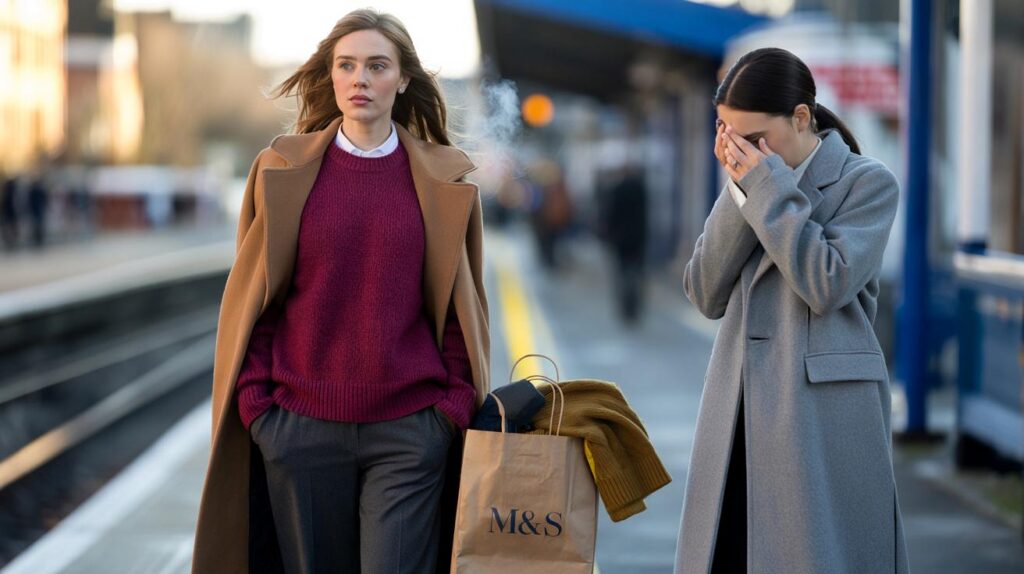
A winter staple from the high street has sparked whispers in playgrounds and offices alike, tempting frugal shoppers and knitwear purists.
As temperatures slide and energy bills still pinch, a £50 alpaca-blend jumper from M&S is quietly challenging pricier cashmere in warmth, feel, and value. Shoppers say it delivers plush comfort without the premium, and the figures back up a compelling case for choosing alpaca when frost bites.
What’s driving the £50 alpaca buzz
M&S has released a textured, relaxed-fit alpaca-blend jumper that aims squarely at the chilly morning commute and weekend sideline duty. The pitch is simple: a majority natural-fibre mix, a soft brushed hand, and a silhouette that layers easily over tees or under a roomy coat. It lands at £50, a price bracket where synthetic-heavy knits usually dominate.
The hook is tangible: natural fibres, a soft hand, and everyday practicality at a price many families can justify.
Colourways include a deep olive and a wine-rich burgundy, both friendly to denim, camel coats, and black trousers. The cut runs generous, which means freedom to move on busy days and the option to size down for a closer line. Rib trims and a classic crew neck keep things clean and unfussy.
How alpaca stacks up against cashmere and wool
Alpaca fibre has a reputation for warmth-to-weight efficiency. Many fibres contain a hollow or partially hollow core that traps air and reduces bulk. Unlike sheep’s wool, alpaca carries little to no lanolin, so some people with wool sensitivities find it easier against the skin. Cashmere remains wonderfully fine and drapey, but it can demand careful handling and often shows wear sooner when knitted loosely.
- Warmth: alpaca’s structure can retain heat efficiently without heavy weight.
- Softness: modern brushed alpaca blends create a plush feel many describe as cashmere-like.
- Durability: alpaca fibres offer good tensile strength; blends can resist bagging when knitted firmly.
- Skin comfort: low lanolin content may help those sensitive to regular wool; a cotton layer fixes most tickle issues.
- Care: both alpaca and cashmere prefer gentle washing, flat drying, and occasional de-pilling.
Many shoppers report a softer-than-cashmere handle on first wear, with extra warmth that belies the jumper’s lightness.
Texture, weight and the reality of pilling
Any soft yarn can develop bobbles in high-friction zones. Brushed alpaca blends tend to fare well if you rotate wears, avoid overstuffing backpacks, and tidy the surface with a light fabric comb as needed. Expect a cosy, slightly airy knit that feels substantial without the heft of chunky wool.
Fit, finishes and colours
This is an easy jumper to live with: relaxed through the body, neat at the neck, and ribbed at the cuffs and hem to hold its shape. If you sit between sizes or want a tailored look, consider going down one. If you prefer a drapey, off-duty line, pick your usual size and let the knit do the work.
The olive option leans outdoorsy and pairs with ecru denim, khaki or dark indigo. Burgundy reads smarter; it suits charcoal tailoring, midi skirts, and polished loafers. Both colours feel autumn-forward but carry comfortably into late winter when layered under a long coat.
Value analysis: what £50 really buys you
Pure alpaca from heritage labels commonly starts north of £180. Cashmere basics from the high street sit around £120–£150, with premium brands charging far more. A £50 alpaca blend with a high natural-fibre content is unusual at this quality level.
| Item | Typical price (UK) | Cost-per-wear after 50 wears |
|---|---|---|
| M&S alpaca-blend jumper | £50 | £1.00 |
| High-street cashmere crew | £120 | £2.40 |
| Premium alpaca blend | £150 | £3.00 |
If you wear knitwear several times a week from October to March, you can clock 50 wears in one season. Stretch that to two winters and the economics look even stronger.
For £50, you’re buying warmth, a soft hand and a wear-everywhere cut, not a showpiece that needs pampering.
Care that keeps it looking fresh
Wash sparingly on a cool wool cycle or hand wash with a gentle detergent. Turn inside out, pop it in a mesh laundry bag if you use a machine, and always dry flat. Fold rather than hang to avoid shoulder bumps. Rest between wears so the fibres rebound. A quick once-over with a fabric comb restores the surface and keeps bobbles at bay.
Who it suits—and who should skip
Parents and carers who spend long stretches outdoors will feel the difference at the playground, touchline, or school gate. Commuters who brave draughty platforms get warmth without bulk. If wool tickles, a thin cotton layer underneath usually solves it while keeping breathability.
Those seeking a razor-slim, jacket-ready knit might find the relaxed cut too roomy to sit under a close-fitting blazer. If you avoid animal fibres entirely, this won’t fit your brief. People who prefer ultra-sleek, silky cashmere drape may still gravitate to cashmere’s finish.
Sizing and styling pointers
- Between sizes? Size down for a tidy line; stick true for an easy, box-fresh drape.
- Weekday smart: burgundy with charcoal trousers, leather belt, and polished boots.
- Weekend warm: olive with straight-leg denim, beanie, and a waxed jacket.
- Desk to dinner: layer over a crisp white shirt; let the collar and cuffs peek out.
- Cold snap plan: add a heat-retaining base layer to extend wear into sub-zero mornings.
The bits buyers often miss
Natural fibres breathe better than synthetics, so you stay warm without clamminess on packed trains. Alpaca’s low lanolin content can reduce odour build-up, which helps you wash less often and prolong the knit’s life. If you’re sensitive, test with a long-sleeve cotton tee beneath; you retain the plush feel while avoiding direct fibre-to-skin contact.
Think about storage as temperatures climb. Clean the jumper before packing, fold with cedar blocks or lavender to deter moths, and stow it in a breathable bag. That care routine protects the fibres and saves money long term.
A quick reality check on sustainability and ethics
Alpaca is a natural, biodegradable fibre, and many farms in South America operate in high-altitude regions where animals graze on sparse pasture. Farming practices vary, so traceability matters if you want the highest welfare assurances. Blends that include synthetics improve resilience, but they reduce biodegradability; wash in a microfibre bag to limit fibre shedding. Practical care choices make a real difference to the garment’s footprint over its life.
Should you swap from cashmere this winter?
If you want a soft-feeling knit with strong warmth-to-weight, tough-enough fibres for family life, and a price that doesn’t sting, alpaca blends make sense. Cashmere still wins on buttery drape and prestige, but many shoppers will prefer the cosiness-per-pound ratio here. Try the relaxed cut in both olive and burgundy, then decide whether to size down for a sharper silhouette.
Spend £50 once, wear it 50 times, and keep your heating a notch lower—your budget and your bones stay happier.



Curious about pilling and shedding—will this alpaca blend leave fluff on a black coat? Also, does the relaxed cut actually fit under a blazer or is it too boxy? Sizing down seems sensible but I’m never sure. Definately need real-world fit notes!
If it keeps me warm at the school gate and on the 7:12 platform, I’ll buy two. My heating can stay down and my wallet says cheers 🙂 Also, is the burgundy forgiving with pet hair, or will I look like I hugged my lab?