
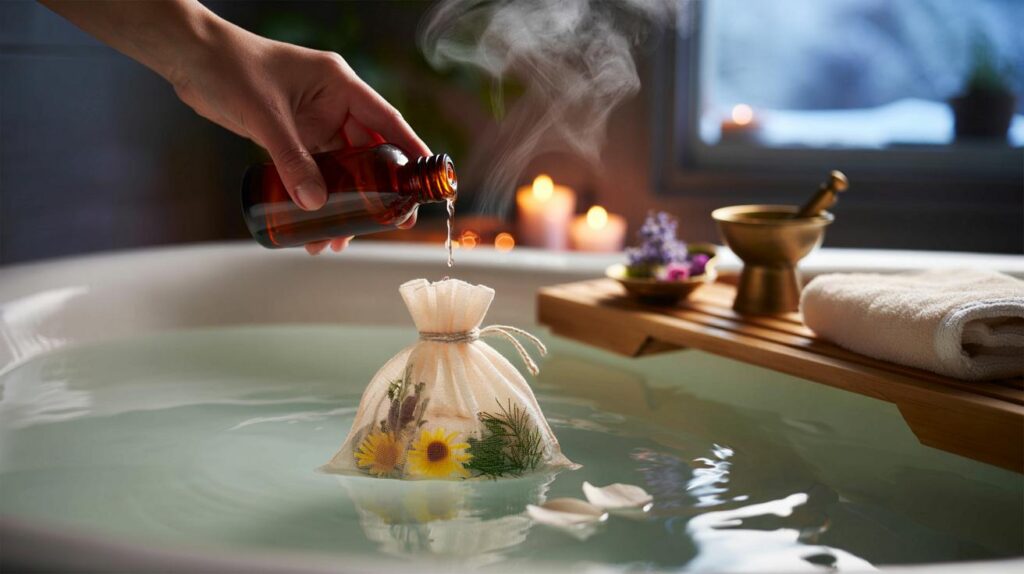
As temperatures drop and stress climbs, bathrooms quietly become sanctuaries where scent, steam and small rituals shift the mood.
This autumn, a once-forgotten practice is moving from folklore to bathroom shelf, promising calm, softness and a touch of ceremony.
Backstory: from medieval baths to modern shelves
Herbal baths and rose water rinses thrived in medieval households long before serums and sheet masks. People prized petals, steam and aromatic waters for comfort and cleanliness. Centuries later, the same gestures fit modern life. A warm bath, a handful of herbs, a capful of rose water. The format stays simple, the effect feels immediate.
Minimalism drives the comeback. Shoppers want shorter ingredient lists and rituals that reduce noise rather than add clutter. The bath becomes a buffer between the outside world and bedtime. The scent of lavender, the calm of chamomile, the lift of rosemary. These are humbler tools than a cabinet of actives, yet they earn a place because they work with skin and senses, not against them.
It takes minutes, not hours; pennies, not pounds. That is why the ritual sticks.
The hero duo: garden herbs and rose water
Forget complicated concoctions. Most blends start with two parts: a small bouquet of dried herbs and a splash of genuine rose water. The pairing suits chilly evenings when radiators sap moisture and wool jumpers rub. Each plant adds a function, each whiff cues the brain to slow down.
What each plant tends to bring
- Lavender: quiets the mind and softens tight, weather-beaten skin.
- Chamomile: calms visible redness and skin that feels prickly after wind.
- Rosemary: livens dull tone and pairs well with morning baths.
- Thyme: fresh, brisk scent that helps clear a foggy head.
- Calendula: gentle petals that suit easily upset complexions.
Rose water deserves its spotlight. A good hydrosol carries a soft floral note without heaviness. It sits well on sensitive skin, it layers under moisturiser, and it brings a hint of ceremony to a routine that might otherwise feel rushed.
Choose an alcohol-free rose water with a short, clear label. The scent should be faint, not heady.
How to build a bath that works
You do not need a perfumer’s lab. You need heat, petals and a plan. Keep it short. Keep it warm, not hot. Respect your skin barrier.
Your 12-minute method
- Temperature: 36–39°C bathwater to avoid barrier damage.
- Time: 10–12 minutes for comfort without pruney skin.
- Herbs: 2 generous handfuls in a muslin bag or a large tea infuser.
- Rose water: 1 capful (about 5–7 ml) swirled in just before you step in.
- Optional: 1 tbsp sweet almond or olive oil for extra slip and softness.
12 minutes, 3 herbs, 1 capful of rose water: a low-cost reset for skin and mood.
| Goal | Blend | Tip |
|---|---|---|
| Soothe after a windy commute | Chamomile + calendula + rose water | Pat on extra rose water as a toner post-bath. |
| Lift a grey morning | Rosemary + thyme + a citrus peel strip | Limit to 8 minutes if you bathe before work. |
| Pre-sleep unwind | Lavender + rose petals | Dim the lights and keep water closer to 37°C. |
What your skin gets out of it
Warm water boosts microcirculation, which can brighten tone for a short spell. A brief soak helps loosen dead cells so moisturiser sinks in more evenly. Plants add aromatic compounds that signal the nervous system to ease down, which reduces the urge to over-scratch dry patches. Rose water layers a light, comforting film that sits well under cream.
Think sequence, not magic. Keep the bath brief, then seal with moisturiser. A fragrance-free cream or a few drops of squalane on damp skin locks in gains from the soak. If your skin feels tight, you waited too long to moisturise or the water ran too hot.
Keep water under 40°C and apply moisturiser within 3 minutes of towelling off.
Safety, cost and practical details
Patch test if your skin flares easily. Rub a small amount of cooled infusion on the inner arm and wait 24 hours. Skip essential oils in the tub if you have eczema, are pregnant, or share the bath with children; undiluted oils can irritate. If you use them, dilute thoroughly in a carrier oil first.
Costs stay modest. A 200 ml bottle of quality rose water often sits between £5 and £12. Dried herbs for two baths cost roughly £1–£3, depending on source and season. A reusable muslin bag keeps drains clear and speeds clean-up.
- Do not boil herbs in the tub. Steep separately for 10 minutes, then pour the strained liquid in if you prefer a spotless bath.
- Rinse the skin briefly after the soak if you used oils and plan to apply fake tan later; residue can affect the result.
- Asthma or scent sensitivity? Ventilate the bathroom and keep blends mild.
No tub at home? You still have options
Try a foot bath: a washing-up bowl, hot water, a spoon of Epsom salt, and a chamomile-lavender bag. Ten minutes can make the whole body feel looser. Or make a compress: soak a clean flannel in warm herbal infusion plus a splash of rose water and press onto the face for 60 seconds after cleansing.
A shower version also works. Hang a small bouquet of fresh rosemary and eucalyptus under the showerhead so steam releases scent. After showering, mist rose water on damp skin and follow with your usual lotion.
Why dermatology-minded routines accept it
The method favours skin barrier health. You keep the water warm, limit time, avoid alcohol-heavy toners, and moisturise promptly. You rely on mild, low-fragrance hydrosols rather than harsh astringents. You also build consistency: two short sessions a week beat one marathon soak.
Short, warm, regular and well moisturised beats long, hot and sporadic every time.
Seasonal tweaks that make sense
- Winter: add oat water (strain two tablespoons of oats through muslin into the tub) for extra slip.
- Spring: elderflower and a light rose water mist to pair with rising pollen counts.
- Summer: mint and a cooler bath for five minutes; finish with an aloe-based gel.
- Autumn: lavender-rose-chamomile and a richer cream to seal.
Extra ideas to stretch the benefits
Set a 12-minute timer and a two-song playlist so the ritual fits busy evenings. Keep a small notebook nearby to park worries while the water runs. If you track skin progress, note water temperature, plant blend and post-bath products; patterns emerge within two weeks. Swap in fragrance-free laundry liquid and softer towels to support the same calm-skin goal.
For procurement, look for whole petals and intact leaves rather than dusty, overly crushed bags. Store blends in airtight jars away from sunlight. If you own a garden, dry small batches on a rack indoors and keep each jar under three months to preserve aroma. This keeps the ritual affordable, seasonal and personal.



I tried the chamomile + calendula + rose water combo after a windy commute and wow—skin felt less scratchy and I actually remembered to moisturise within 3 minutes. The 36–39°C guideline helped; any tips for keeping the water temp steady in an old tub? Also, thanks for the “alcohol‑free” reminder—nearly grabbed a perfumey toner by mistake. Definitley keeping this.
Evidnce check: does rose water actually leave a measurable occlusive film, or is the benefit mostly sensory + pH? And “boosts microcirculation”—is that from heat alone or do the herbs contribute? Would love citations if you have them.