
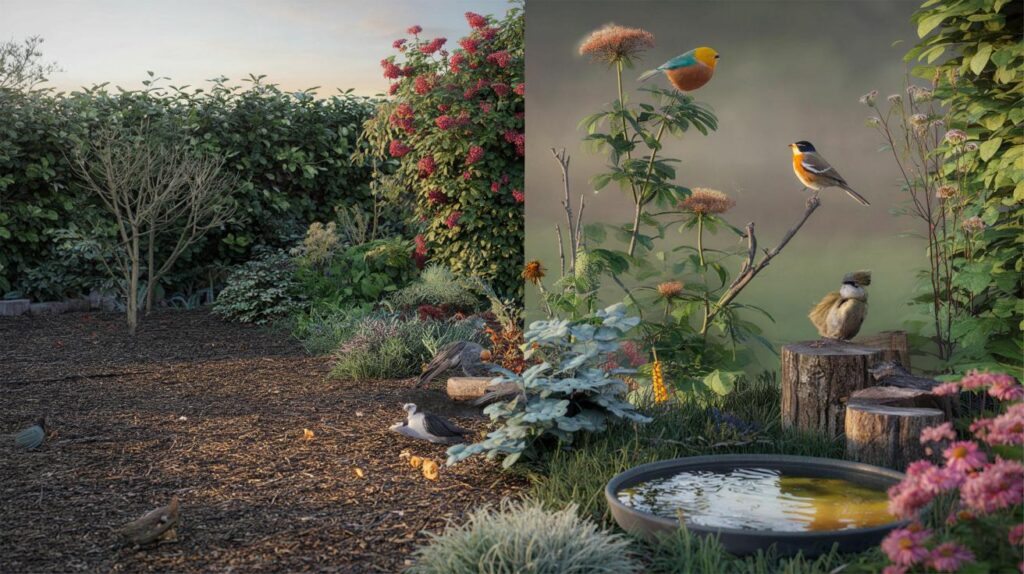
October arrives, light fades, and gardens fall quiet. Many readers now ask why their borders feel oddly empty of life.
The hush rarely comes from migration alone. A small, human choice in late October can tip the balance for garden birds. Tidy instincts and bare soil create a food gap just as nights lengthen and frost bites.
Why birds vanish from borders as autumn sets in
The October food gap that starves your patch
By mid to late October, summer fruit has gone and insects slow under cold nights. Many gardeners then clear seedheads, cut back herbaceous stems, and remove leaf litter. The result is a sudden food crash in the exact fortnight when robins, tits and blackbirds must build fat reserves for longer nights.
One overlooked October detail—removing seedheads and berry sources—can empty a border of birds within days.
Finches lose access to nutritious seeds. Thrushes find fewer soft berries. Wrens and dunnocks miss the tiny invertebrates that hide in leaves and hollow stems. You do not need a harsh winter for silence to spread; a bare border can do it on its own.
What birds really seek once the cold bites
Food matters first. Shelter comes a close second. Small birds can lose around a tenth of their body mass overnight in freezing snaps. They need dense cover at dawn and diverse calories by mid-morning. Berries, seeds, dormant insects and shallow, unfrozen water can keep them on your plot rather than the neighbour’s hedge.
The tidy-garden trap
Perfectly raked beds look smart. They rarely work for wildlife. Clean edges remove nest material and microhabitats. Smooth mulch blocks ground-feeding. A sterile fence gives no windbreak. The more immaculate the autumn border, the fewer places remain to feed, hide and roost.
Give cover and calories: plant for berries and build living shelter
Five shrubs that feed and protect from October
Choose berrying natives that ripen through autumn and hold fruit into winter. They look good and feed well.
| Shrub (common) | Peak fruiting | Who eats it | Extra benefit |
|---|---|---|---|
| Elder (Sambucus nigra) | September–October | Blackbirds, thrushes | Umbels for insects in summer |
| Hawthorn (Crataegus monogyna) | October–December | Redwings, fieldfares, finches | Thorny roost shelter |
| Guelder rose (Viburnum opulus) | October–January | Bullfinches, robins | Autumn colour and cover |
| Blackthorn (Prunus spinosa) | October–November | Thrushes, starlings | Excellent windbreak |
| Spindle (Euonymus europaeus) | October–December | Tits, warblers | Late-season insect habitat |
Plant three to five shrubs per small garden and aim for a staggered fruiting calendar. Mix species to keep something edible from September to March.
Why mixed native hedges beat single-species screens
A free-growing hedge stitched from hawthorn, dog rose, hazel, field maple and holly creates layers. Wind drops inside it. Predators struggle to rush it. Insects breed within it. Birds roost in the dusk and feed at first light. A clipped conifer wall cannot compete with that variety of structure and diet.
A living, mixed hedge can lift bird visits within a month, even in small urban plots.
Turn borders into refuges before frosts arrive
Planting and care that keep birds loyal
- Set berrying shrubs 1–1.5 m apart along sunny or lightly shaded edges.
- Water deeply at planting, then mulch with 5–7 cm of leaf mould or shredded twigs.
- Skip hard pruning until after winter; let young plants bulk up and carry fruit.
- Leave at least 30% of seedheads standing on perennials like echinacea, teasel and grasses.
- Keep a bird bath 2–4 cm deep; refresh daily during cold snaps to prevent ice sealing it.
Make a “wild corner” that feeds itself
Stack a short log pile, add a loose heap of prunings, and allow leaves to gather in one sheltered nook. Woodlice, beetles and spiders move in within weeks. Wrens, robins and dunnocks will work those crevices like a buffet. It looks simple. It fuels a winter food web without a bag of feed.
Avoid the hidden hazards that undo your effort
Put away systemic pesticides and herbicides. They reduce insect prey and can move through the food chain. Fit small bell collars on roaming cats during peak bird hours around dawn. Check netting and pea sticks for snags. Keep windows near feeders visible with decals to cut collisions.
Low intervention wins: fewer chemicals, fewer cuts, more structure, more seedheads.
Bring the soundtrack back: what you’ll see and hear
Which species should return first
Robins defend berry-laden borders at dawn. Blue and great tits forage along stems and explore seedheads. Blackbirds sweep leaf litter for worms and fallen fruit. Chaffinches and greenfinches perch on shrub tops, then drop to feeders or seed-rich patches. As cold deepens, redwings and fieldfares descend on hawthorn haws in noisy flocks.
Small additions that make a big difference
Add a discreet feeder near cover, not in the open. Keep it within 2 m of a hedge so birds can dash to safety. Clean trays and perches weekly with hot water and a mild disinfectant, then air-dry. Rotate feeding sites every few weeks to stop waste building under one spot.
What you gain when birds stay
A two-way pact that cuts pests
Wintering tits pick overwintering caterpillars and eggs from bark and stems. Robins and blackbirds reduce leatherjackets and other soil grubs. Less spraying follows in spring. Seedheads that fed finches in January still look handsome under frost. The garden stays lively when days are shortest.
Numbers that help you plan your effort
- Leave at least 50 seedheads per 10 m of border for finches and sparrows.
- Target three berrying shrubs for a courtyard, five to seven for a small garden, 10+ for larger plots.
- Top up water once daily in freezing weather; two short top-ups beat one big refill that ices over.
- Spend 10 minutes at first light to log visitors; adjust planting based on who arrives and when.
Extra context and practical ideas
Work with shifting seasons
Milder autumns can delay fruit ripening, while sudden early frosts can strip berries quickly. Plant a spread of early, mid and late fruiters to ride these swings. If one crop fails, another stands in. Keep some windfall apples under shrubs as a safety net for thrushes during cold snaps.
A simple two-week action plan
- Week 1: stop cutting back; flag perennials to keep for seed. Order two berrying natives.
- Weekend: build a log and twig pile; site a shallow bath on a brick plinth near cover.
- Week 2: plant shrubs, mulch, and move any feeder to within 2 m of shelter. Set a reminder to clean it weekly.
If you change one thing this October, leave seedheads and berry sources in place. That single choice keeps birds coming.
You can go further with a small “winter larder” bed. Combine teasel, fennel, sedum, panicum and rudbeckia for seeds, then stitch hawthorn and guelder rose behind for berries. Add groundcover ivy for shelter. This mix feeds different species at different heights and handles harsh wind. It also looks good in frost and under low sun, so you gain structure as well as song.



Is the “missing detail” basically removing seedheads and berries in late October, or did I miss another gotcha? I definately did that last year.