
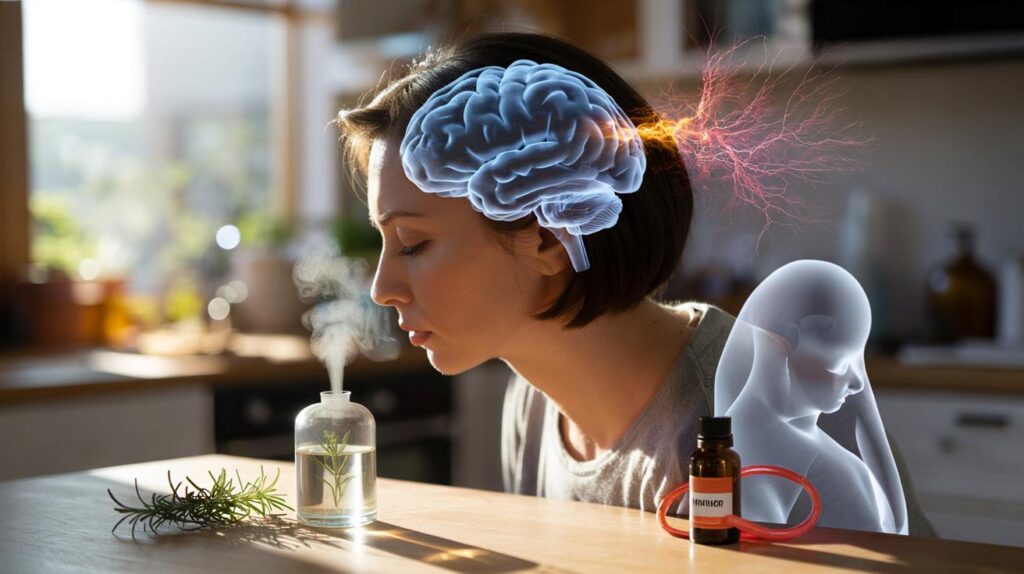
A familiar kitchen fragrance is drawing fresh lab attention, with hints of sharper thinking and calmer nerves for everyday life.
Researchers are probing rosemary, long prized in the Mediterranean, for brain-friendly compounds that might aid memory and reduce anxiety. Early evidence highlights direct effects on neurotransmitters and inflammation, while a next‑generation molecule from 2025 is raising hopes in Alzheimer’s research.
How the herb may sharpen thinking
For centuries, students in Greece and Rome associated rosemary with memory. Modern trials offer a plausible explanation. The plant’s scent appears to nudge attention and recall, and its chemistry interacts with signalling systems central to learning.
One key molecule, 1,8‑cineole, slows the breakdown of acetylcholine, a neurotransmitter that underpins learning and memory. Preserving acetylcholine can support cognitive performance, which often dips with age. Rosemary’s aroma also tends to relax the nervous system. That calmer state links to better focus and improved sleep quality, both important for memory consolidation.
Circulation matters too. Rosemary can stimulate blood flow, including to the brain. More oxygen and nutrients reach neurons, which may translate into clearer thinking during demanding tasks.
In controlled settings, rosemary aroma has been tied to sharper memory task performance and reduced anxiety, suggesting a dual action on focus and mood.
What scientists are testing now
In 2025, researchers unveiled a stable derivative of rosemary’s carnosic acid, named diAcCA. In pre‑clinical studies, diAcCA boosted synapses, improved memory measures and lowered toxic proteins linked to Alzheimer’s disease, including amyloid‑beta and tau. The results came without observable toxicity in mice.
A standout feature of diAcCA: activation in inflamed brain regions, where damage is most active, while staying quiet elsewhere to limit side effects.
Why targeted activation matters
Drugs that switch on only at sites of inflammation can spare healthy tissue. diAcCA’s design follows that logic. By homing in on stress‑hit brain areas, it aims to protect neurons when they are most vulnerable, potentially prolonging function without the broad collateral effects seen with many anti‑inflammatory medicines.
Teams are now evaluating whether these gains translate to people. If human trials confirm the animal data, diAcCA could add a new route to protecting synapses and tempering the protein build‑up that characterises Alzheimer’s. Researchers also see potential in other inflammatory conditions, including type 2 diabetes, cardiovascular disease and Parkinson’s disease, where oxidative stress and inflammation drive tissue damage.
Beyond the brain
Rosemary carries a cluster of phytochemicals that act across the body. Rosmarinic acid and ursolic acid show anti‑inflammatory activity in digestive and connective tissues. Traditional use for bloating and sluggish digestion reflects those properties.
Skin researchers report that rosemary extracts may calm acne and eczema flares, while carnosic acid appears to shield against photo‑ageing by mitigating UV‑driven damage. The essential oil’s antimicrobial actions also inhibit certain bacteria and fungi, a feature attracting food scientists and formulators looking for cleaner preservation strategies.
- Memory support: aroma exposure and acetylcholine preservation via 1,8‑cineole
- Stress and sleep: calming scent associated with lower anxiety and smoother sleep
- Cell protection: antioxidants counter oxidative stress that accelerates cognitive decline
- Gut comfort: traditional relief for bloating and post‑meal fullness
- Skin care: potential benefits for acne, eczema and sun‑induced ageing
- Microbe control: essential oil shows antimicrobial effects against bacteria and fungi
How to use it safely
For most people, culinary use is safe. Fresh sprigs or dried leaves in meals, a modest tea, or gentle aromatherapy can fit easily into daily routines. Problems tend to arise with concentrated doses and high‑strength extracts.
| Form | Typical use | What it may help | Cautions |
|---|---|---|---|
| Fresh or dried herb | 1–2 teaspoons dried, or a few fresh sprigs in cooking | General antioxidant intake, pleasant aroma during meals | Usually safe in food amounts |
| Tea (infusion) | 1 teaspoon dried leaves steeped 5–10 minutes, up to twice daily | Warmth, aroma, light digestive comfort | Stop if stomach upset occurs |
| Essential oil (diffuser) | 2–4 drops in water for 20–30 minutes | Ambient scent linked with attention and calm | Do not ingest; ventilate rooms; keep away from children and pets |
| Topical (diluted oil) | 1–2% dilution in a carrier oil for occasional skin use | Targeted aroma, possible skin benefits | Patch test first; avoid eyes and broken skin |
High doses can cause nausea or vomiting and, rarely, trigger seizures, especially in people with epilepsy. Because rosemary may stimulate uterine contractions, those who are pregnant should avoid concentrated supplements or medicinal doses. Interactions with medicines such as blood thinners are possible, so medical advice is wise before taking capsules or extracts.
What a day’s use might look like
Morning: a brief diffusion session while planning your day to set a calm, alert tone. Lunch or dinner: roast vegetables or fish with 1–2 teaspoons of dried rosemary, which keeps intake solidly in the culinary range. Evening: a short walk and regular bedtime to complement any benefit to memory with sleep‑driven consolidation.
What the lab tells you—and what it does not
Pre‑clinical evidence around diAcCA and classic rosemary compounds paints a consistent picture: better synaptic support, less oxidative damage and lower levels of the proteins that pile up in Alzheimer’s. That does not mean a sprig of rosemary prevents dementia. It means the plant contains molecules that inform promising strategies for protection, with a 2025 molecule designed to deliver them more precisely where inflammation burns hottest.
Use rosemary as a supportive habit—aroma for focus, herbs for flavour—while scientists validate whether targeted derivatives can alter disease courses in people.
Practical add‑ons you can try
Pair rosemary with brain‑healthy routines. Combine a 20‑minute scented study session with spaced‑repetition revision. Add oily fish, nuts and brisk walking to reinforce vascular and anti‑inflammatory pathways that rosemary touches. Rotate herbs such as thyme and sage during the week to broaden your phytochemical mix without increasing total dose.
For the kitchen, choose firm, green sprigs or a dried herb that smells fresh. Store away from light to preserve aroma. If you enjoy tea, keep it mild and short‑steeped to avoid bitterness. If you use essential oil, stick to intermittent diffusion and low concentrations. People with chronic conditions, those on anticoagulants and anyone pregnant should rely on culinary use and discuss supplements with a clinician.



Fascinating read! I had no idea 1,8‑cineole could help acetylcholine. Any recomendations for choosing a quality essential oil—and how often is “intermittent” diffusion in practice?
Hold on—mouse data on diAcCA isn’t a human cure. What were the sample sizes, endpoints, and funding disclosures? Also, “reduced anxiety” from aroma sounds fragile without preregistred trials and objective measures.