
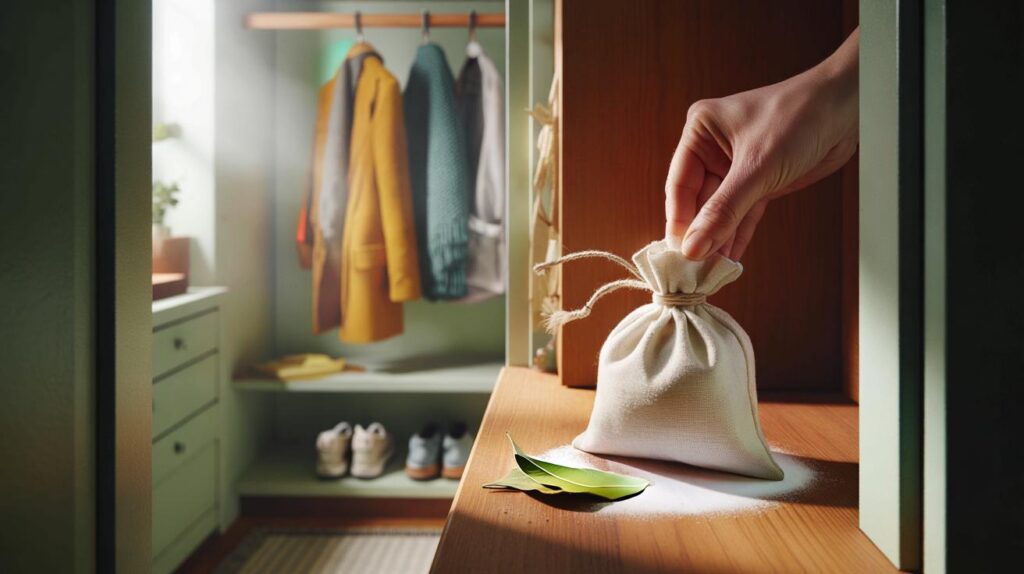
Cold months creep in and stale corners creep out. Many households report musty cupboards that taint clothes, shoes and stored food.
Windows stay shut, wet trainers lurk under coats, and tins queue beside packets. Within days, wardrobes and pantries can harbour a heavy, slightly sour pong. This week’s practical fix doesn’t perfume the air. It stops the smell at source with a pantry staple you already own.
Why cupboards develop odours when temperatures drop
Autumn brings damp pavements and longer evenings indoors. Doors stay closed for warmth, so airflow slows. Moist air lingers in small spaces such as wardrobes, utility cupboards and shoe racks. Fabrics hold on to that moisture. Shoes and coats add more. Food stores bring their own aromas. The result is a cramped microclimate that breeds stale air.
Once relative humidity rises above roughly 60%, mould can take hold on dust and cardboard. Bacteria thrive on the residues left by skin oils and dirty soles. Even well-kept homes notice a background whiff after a rainy week. Routine cleaning helps, but it does not address what floats in the air.
Closed storage + trapped moisture + low airflow = persistent odours, surface mould and bacteria-friendly conditions.
The low-cost absorber households forget: bicarbonate of soda
Bicarbonate of soda does more than lift cakes. This mild alkali binds to and neutralises many acid-leaning odour molecules, including the compounds that make a locker room smell stale. It also acts as a gentle desiccant, nudging down local humidity in confined spaces. Unlike scented sprays, it does not layer perfume over the problem. It tackles the chemistry that causes the smell.
A small open pouch works quietly for weeks. It needs no power. It sheds no fragrance that could interfere with stored foods or delicate knitwear. You can place it behind a stack of plates, inside a shoe cupboard, or on a wardrobe shelf. When it clumps, you replace it. No residue. No aerosol.
Bicarbonate of soda absorbs and neutralises odours rather than masking them, so your indoor air stays cleaner.
How much it costs and how long it lasts
Price checks in major UK supermarkets this autumn show 500 g of bicarbonate of soda selling between £0.70 and £1.20. A 50 g pouch costs roughly £0.07–£0.12 to fill. In a typical cupboard, one pouch remains effective for up to eight weeks, depending on how damp the space gets and how often you open the door.
Compare that with many branded cupboard fresheners or shoe inserts at £3–£5 each, often needing monthly replacement. The arithmetic favours the pantry staple, especially if you manage several small storage areas at once.
| Method | Typical cost | Effective for | What it does |
|---|---|---|---|
| Bicarbonate of soda pouch (50 g) | £0.07–£0.12 | 6–8 weeks | Absorbs moisture, neutralises odours |
| Scented spray (aerosol) | £2–£4 per can | Minutes to hours | Masks odours with fragrance |
| Scented sachet (retail) | £3–£5 | 2–4 weeks | Perfumes small spaces |
| Activated charcoal bag (100 g) | £6–£10 | 2–3 months | Adsorbs odours and some humidity |
Make a no-fuss odour pouch in five minutes
- 50 g bicarbonate of soda
- A square of thin fabric or an offcut from an old cotton shirt
- String or ribbon to tie it closed
- Optional: 2–3 drops lavender or lemon essential oil for shoe cupboards
Spoon the bicarbonate into the centre of the fabric. Gather the corners to form a pouch. Tie it firmly so the powder cannot spill. For clothing or food cupboards, skip essential oils. For shoe cabinets, a drop or two of fragrance can add a clean note, but keep it light.
Set the pouch on a shelf or hang it from a hanger. Keep it away from direct contact with food. For an average wardrobe or larder, one 50 g pouch serves a space up to about 2 m³. Replace it when it hardens into small lumps or after two months.
As a rule of thumb, use one 50 g pouch per 2 m³ of storage; swap it when it clumps.
Back up the pouch with simple habits
Small changes keep odours from returning. These take minutes and cost pennies.
- Air cupboards weekly: leave doors open for 15–20 minutes while you clean another room.
- Dry shoes and coats fully before storage; a radiator rack or a breezy porch helps.
- Wipe shelves lightly with white vinegar, then dry thoroughly to deter mould films.
- Rotate food stock and bin tired cardboard; decant loose dry goods into sealed jars.
- Add a strip of dried citrus peel or a bay leaf near the pouch to discourage pests.
When a smell signals a bigger issue
Sniff for earthy or mushroom-like notes and look for black specks or fuzzy patches on walls and seals. Check for a slow leak from pipework, a blocked air brick, or a cold bridge behind the cupboard. If paint bubbles or plaster flakes, investigate damp ingress rather than covering the smell. A £8–£15 digital hygrometer can confirm whether humidity often sits above 60%. If it does, increase airflow or use a small rechargeable dehumidifier in shoe cabinets and utility nooks.
Safety, reuse and smart add-ons
Keep bicarbonate out of reach of children and pets. Do not store the pouch directly above a cooker or beside strong acids such as descaler. Do not mix it with bleach. When the pouch has done its job, tip the used powder down a slow drain with hot water to freshen the trap, or sprinkle it in the bin before the next bag goes in. You waste nothing.
Want a slightly stronger setup for a steamy flat? Pair the pouch with a handful of activated charcoal in a second fabric bag. Charcoal pulls a wider range of volatile compounds, while bicarbonate handles acidity and mild damp. If you store fine wools, skip essential oils and perfume cards, which can cling to fibres. For pantries, avoid any fragranced add-ons and keep absorbents above the food line to prevent spills.
What you can expect in seven days
Day one brings a quieter smell within hours, especially in shoe cupboards. By day three, stale notes fade as humidity stabilises. After a week, fabrics should smell neutral, not perfumed. If odours persist, add a second pouch or target a hidden moisture source, such as damp newspaper in shoe toes or a wet umbrella leaning against timber.
The numbers that matter for a fresher home
Target relative humidity between 40% and 55% inside cupboards. Budget £0.10 per pouch and plan to renew every eight weeks. Allow 15 minutes of airing weekly. These small figures compound into calmer mornings and neutral-smelling linens without repeat trips for scented sprays. The method scales across the home: wardrobes, utility spaces, under-sink cabinets and shoe racks all benefit from the same simple chemistry.



Just made the 50 g pouch and popped it in the shoe cupboard—smell already quieter after a few hours 🙂 If it lasts even 6 weeks, that’s a win over the £4 fresheners.