
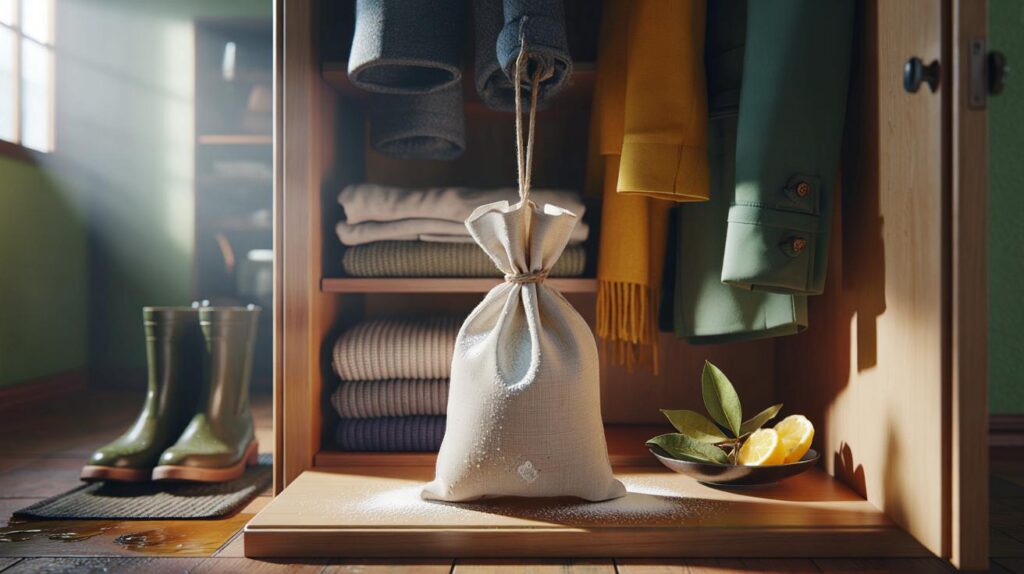
Cold weather traps musty air behind doors and drawers, leaving homes heavy, tired and strangely stale by late autumn evenings.
As windows stay shut and wet coats pile up, stale notes creep into cupboards, shoe racks and pantries. Many people reach for perfumed sprays that fade fast. This season, a quiet, low-cost method is winning fans because it tackles the cause, not the scent.
Why cupboards smell in cold months
Shorter days and lower temperatures change how indoor air behaves. We close vents and doors, so moisture from showers, cooking and drying laundry lingers. Relative humidity often sits above 60% in corners and cabinets. That level allows bacteria and mould spores to thrive on dust and fabric lint. Shoes wick in rainwater. Woollens soak up kitchen fumes. The cupboard becomes a microclimate that traps volatile compounds and magnifies odours.
Small mistakes amplify the problem. People store damp trainers under stairs. They cram shelves, which blocks airflow. They clean less often during busy weeks, so crumbs and skin cells build up. A sealed space then acts like a jar, concentrating smells until you open the door.
Shut doors raise humidity, packed shelves stop airflow, and odour molecules linger long after the source has gone.
The science behind the pantry staple that neutralises odours
A common household powder — sodium bicarbonate — offers a practical answer. This mildly alkaline salt reacts with many acidic and sulphurous compounds behind stale notes. It does not perfume the air. It changes the chemistry of the smell, reducing volatility and perceived intensity. That is why it helps in fridges and bins, and the principle holds inside cupboards.
Two mechanisms matter. First, bicarbonate buffers pH when it meets acidic odour molecules, which can break them down. Second, its fine particles offer a large surface area where gases adsorb temporarily and then dissipate harmlessly. The powder stays odourless, so it will not clash with linen or food.
How much and how fast it works
Place 50 g of bicarbonate in a breathable pouch to treat up to 2 m³ of cupboard space. Most households report a noticeable improvement within 24–48 hours as humidity and odour levels fall. Expect steady performance for six to eight weeks, depending on moisture and load. When the powder starts to clump into small cakes, it has captured water; replace it.
Absorb, don’t mask: a 50 g pouch quietly drops odour levels for weeks, without adding chemicals to indoor air.
Make a 50 g anti-odour pouch in 3 minutes
- 50 g sodium bicarbonate (food-grade or household grade)
- One square of thin cotton or muslin, about 15–20 cm per side
- String or ribbon to tie
- Optional: 2–3 drops of lavender or lemon essential oil for non-food cupboards
Spoon the bicarbonate into the centre of the cloth. Gather the corners to form a small bundle and tie tightly. Keep the weave breathable so air can pass through. Skip essential oils near food, baby clothes or if anyone in the home has fragrance sensitivities. In a shoe cabinet or cloakroom, a tiny amount can add a clean hint without overpowering the space.
Where to place it
Rest the pouch on a shelf, or hang it from a rail so air can move around it. Use one pouch per small cupboard (up to 2 m³). For long wardrobes, place two smaller pouches at opposite ends to reach dead spots. Avoid direct contact with wet surfaces; let shoes drip-dry elsewhere first. Replace every two months, or sooner if clumping appears.
Simple habits that keep cupboards fresh
Fresh air helps. Prop cupboard doors open for 10 minutes after weekend cleaning to flush moisture. Dry coats, boots and gym kit in a ventilated room before storing. Wipe shelves every few weeks to remove dust that feeds mildew. A quick pass with white vinegar, then full drying, reduces mould-friendly residues. Add a dried bay leaf or a strip of citrus peel beside the pouch for a light, natural note that also discourages insects.
- Keep relative humidity under 60% with a small hygrometer.
- Leave a 2–3 cm gap between stacks of folded textiles.
- Rotate seasonal items so air reaches the back of shelves.
- Empty and air shoe racks after wet school runs or hikes.
How this compares with other options
| Method | Typical cost | Lifespan | Works by | Best for | Cautions |
|---|---|---|---|---|---|
| Bicarbonate pouch (50 g) | Under £1 | 6–8 weeks | Chemical neutralisation and adsorption | General cupboard odours | Replace when clumped; keep away from pets and toddlers |
| Activated charcoal | £4–£8 per 500 g | 2–3 months | High-surface-area adsorption | Strong, persistent smells | Dusty; avoid spills on pale fabrics |
| Silica gel sachets | £5+ for a multipack | 1–3 months (rechargeable) | Moisture capture | Humidity control for leather and electronics | Some types not food-safe; keep out of reach of children |
| Perfumed spray | £3–£6 | Hours to days | Fragrance masking | Short-term freshening | Adds chemicals; may irritate airways |
Troubleshooting and safety
If a sharp musty note returns quickly, look for a hidden source. Check for a slow drip from a pipe boxing, a cold bridge behind backing boards, or damp shoes stored in plastic bags. Treat any visible mould with a suitable cleaner, dry the area fully, then restart with a fresh pouch. If wood feels cold and clammy most mornings, consider a small rechargeable dehumidifier near the cupboard until humidity stabilises.
Bicarbonate is low-risk, but never ingest pouches or leave loose powder where pets might lick it. Avoid essential oils around babies, pregnant people and pets. If you use oils, keep to two drops per pouch and tuck the bundle where it cannot brush clothing directly. Do not combine bicarbonate with vinegar inside sealed containers; the fizz builds pressure.
Extra ways to measure and make the most of the method
A £10 digital hygrometer shows whether your cupboard sits in the risk zone. Aim for 45–55% relative humidity in living areas and below 60% in storage spaces. If readings keep climbing after wet weather, extend airing time or move heat-generating appliances, such as a tumble-dryer vent, away from nearby doors.
Turn replacement into a small test. Weigh each pouch before use and again after two months. The difference shows how much moisture it captured. Spent bicarbonate still helps at home: shake it into kitchen bins to tame smells, or flush small amounts with hot water down sinks to freshen drains. Pair the pouches with routine cleaning and smarter drying habits, and you cut odours, protect fabrics and reduce reliance on costly sprays across the whole season.



Just made two 50 g muslin pouches and popped them in the hallway cupboard—noticeable difference by the next evening. Thanks for explaining the chemistry instead of pushing sprays. Bonus: no clash with linen. This actually works! 😊