
Young birds crowd gardens in late summer as parents tire and natural pickings thin; household habits can tip the balance.
Across the UK, fledglings now scramble for easy meals while adults show them the ropes. A small, cheap tweak to your routine can draw familiar visitors to your lawn and help them through a demanding phase without fuss.
Late summer brings hungry juveniles
August signals the tail-end of peak garden bird season. Robins, house sparrows, blackbirds and thrushes have young off the nest, learning to fend for themselves. Numbers spike, yet insects and soft seeds fluctuate with weather. During hot, dry spells, soil hardens and worms dive deeper. Short, dependable feeding sessions in gardens can bridge that gap and keep energy levels up while fledglings practise foraging.
Fledglings need quick calories, moisture and safe spaces. Well-sited food on clean surfaces offers all three in minutes.
Two fruits that turn lawns into landing strips
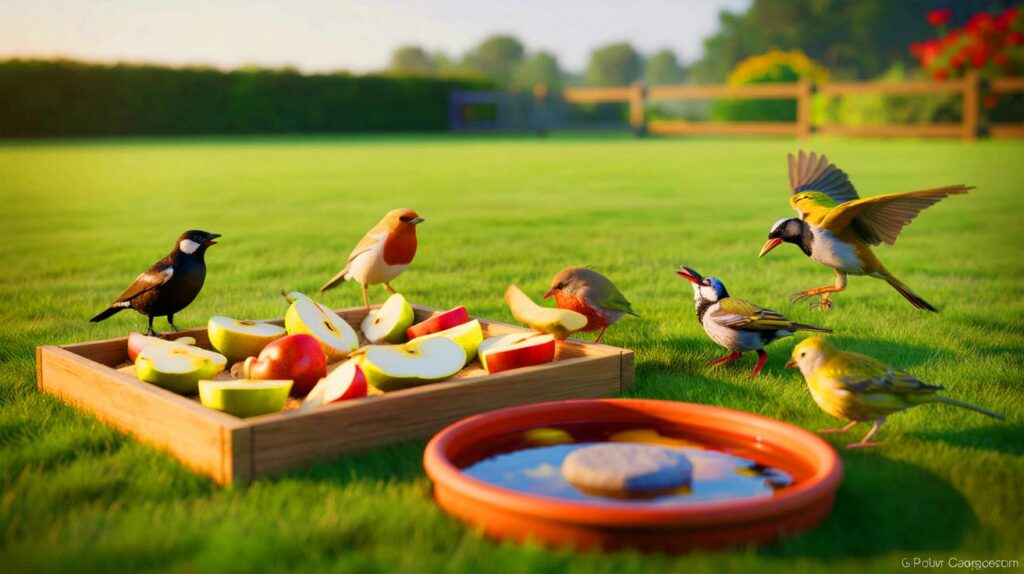
If you want a fast, low-cost way to help, put out apples and pears. Chop them into bite-sized chunks and scatter the pieces on open lawn or place them on a clean bird table or tray. Bruised fruit works well. Avoid anything mouldy or salty. If you keep a dog, skip raisins and sultanas; vine fruits can be toxic to pets.
- Cut fresh apples and pears into 1–2 cm pieces.
- Offer a handful (150–200 g) in the morning; top up lightly late afternoon.
- Place food in the open, away from hedges, dense shrubs and sheds.
- Remove leftovers after 24 hours to deter wasps and rodents.
Two fruits, zero fuss: chopped apples and pears can tempt robins, sparrows and blackbirds within a day.
Who eats what, and where
Not every bird feeds the same way. Some species perch with ease at hanging feeders, while others prefer to keep their feet on the ground. Blackbirds are reluctant to cling to tube feeders, so ground-level offerings suit them. Dunnocks and house sparrows often hop beneath tables for fallen morsels. Thrushes relish soft fruit. Starlings, meanwhile, will pile onto a flat tray when the coast is clear.
| Bird | Preferred spot | Fruit appeal | Extra tip |
|---|---|---|---|
| Blackbird | Ground or flat table | High — soft apple and pear pieces | Scatter on short grass for a quick dash and feed |
| Robin | Table, low tray, open ground | Moderate — pairs well with mealworms | Offer small chunks near cover, but not right beside it |
| House sparrow | Ground beneath feeders, low trays | Low to moderate — favours seeds first | Mix a few fruit cubes with sunflower hearts or oats |
| Song thrush | Ground and table | High — soft, ripe fruit | Choose ripe, slightly bruised pieces for easy picking |
| Starling | Table and lawn | Moderate — grabs mixed morsels | Short sessions reduce squabbles and waste |
Keep predators at bay and disease in check
Cats exploit cover. Place food at least 3–4 metres from hedges, walls and garden furniture where a pounce could start. Short grass and a clear view give birds precious seconds to react. If you use a table, clean it often. Brush off crumbs daily and scrub weekly with hot, soapy water or a mild disinfectant solution, then allow to dry before refilling.
Charities have warned that poor hygiene can help illnesses spread among garden visitors. Flat, open tables are under scrutiny, and some retailers have paused sales while they assess design risks. You don’t need to throw out what you have, but you should keep surfaces spotless, rotate feeding spots and bin any food that looks past its best.
Clean weekly, move feeding areas now and then, and ditch old food; these three steps cut disease risk dramatically.
Water matters as much as food
Offer a shallow dish beside the feeding area. Fresh water helps fledglings swallow dry fare and keeps feathers in shape. Aim for 2–3 cm depth for small birds and refresh daily. Stand the dish on a firm, level surface with clear sightlines. Rinse with hot water every few days, and scrub if algae forms.
Costs, quantities and a simple daily routine
A kilo of mixed apples and pears from a supermarket or market stall often costs £2–£4. That covers several days for an average garden. Start small. If the food goes within an hour with no leftovers, offer a little more next time. If fruit sits untouched, reduce the portion and try again earlier in the morning.
- 07:30 — put out 150–200 g chopped fruit on open ground or a tray.
- 12:00 — quick check; remove soggy pieces and wipe the tray.
- 16:30 — light top-up if birds are still active.
- Evening — clear leftovers; rinse bowls and table surface.
Beyond fruit: mixing a menu that works
Apples and pears are a handy summer booster, but variety brings in more species. Sunflower hearts, raw rolled oats, suet pellets and dried or live mealworms suit different bills and beaks. Keep portions modest during warm weather so nothing lingers. Avoid salted foods, cooking fats and large amounts of bread; they offer poor nutrition and can cause harm.
If you want to entice specific species, adjust the setup. A ground tray with mesh sides helps blackbirds and thrushes. A seed feeder with perches attracts tits and finches, while a covered table gives starlings and sparrows a safe platform. Whatever you choose, keep to a routine. Birds learn patterns quickly and waste drops when you feed little and often.
Extra pointers you may not have tried
Cut apples across the core to create ring-shaped pieces that sit neatly on grass without rolling. Push a few cubes into the lawn so wind doesn’t scatter them. During heatwaves, move the feeding area into dappled shade to slow spoilage. In wasp-heavy weeks, put fruit out earlier, retrieve leftovers by noon and switch to seed and suet later in the day.
If you share the space with pets, supervise the first few sessions. Keep vine fruits out of reach of dogs, and sweep up promptly. Consider a low bird bath with a rough stone in the centre to provide grip for small feet. As days shorten, you can phase in more seeds and suet while keeping the fruit trickle going for thrushes and blackbirds that still patrol the lawn.



Can confirm: chopped 2 apples + 2 pears into thumb-sized bits and put them on short grass at 07:30—robins and a very bossy blackbird showed up in minutes. Kids loved the mini airshow 🙂