
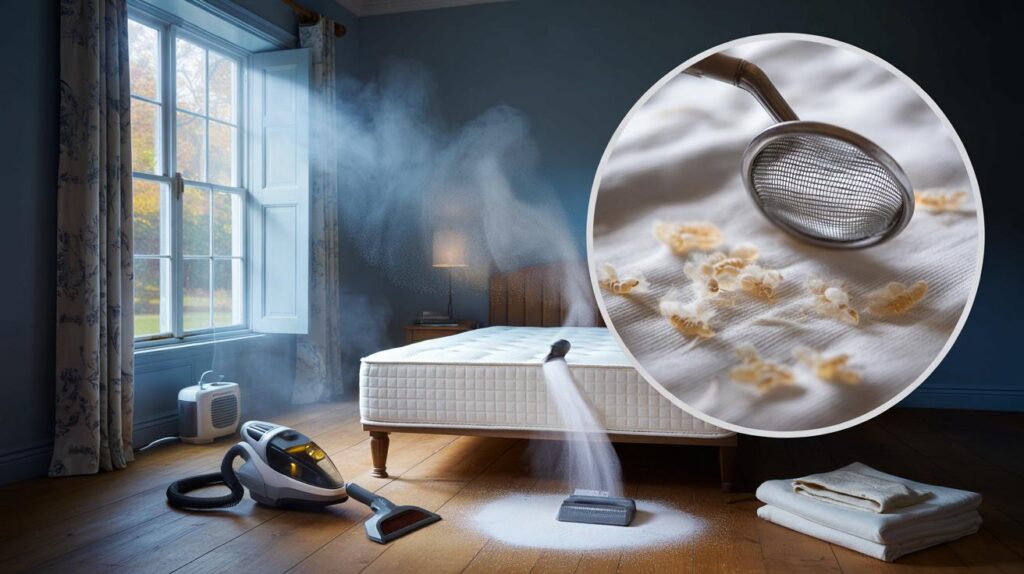
Colder nights bring longer hours under the duvet, yet the bed beneath often stays out of sight and out of mind.
That neglect comes at a price. Warmth, moisture and skin flakes create a cosy microclimate that invites mites, odours and stains. A simple, chemical-free routine restores freshness, protects sleep, and keeps your mattress out of the danger zone.
What’s really living in your mattress
Every night, people shed skin, sweat and hair into the bed. That material feeds dust mites and supports microbes. Mattresses trap moisture, which slows evaporation and amplifies musty smells. Relative humidity above 50% and temperatures around 20–25°C suit mites. Many bedrooms sit in that band for most of the year.
Researchers estimate that a mature mattress can host hundreds of thousands of mites. Sensitive sleepers feel the effect first. Itchy eyes, a blocked nose and morning sneezes often point to mite droppings. Unpleasant odours usually follow, especially when fabric stays damp after spills or steamy cleaning.
Keep indoor humidity near 40–50% and let the mattress dry daily. Mites struggle below 50% humidity and odours fade faster.
The chemical-free routine that actually works
Two pillars anchor an effective approach. Drying fights odour. Removal cuts allergen load. The routine relies on fresh air, suction, heat and minerals. No harsh sprays. No perfumes that only mask smells.
Fresh air is your first disinfectant
Cold, dry air reduces moisture in the fabric. Sunlight adds mild UV to the mix when available. Autumn air in Britain is often crisp and ideal for drying. A few hours with windows open can make a tangible difference.
Vacuuming removes the food supply
A vacuum with a clean upholstery tool and, ideally, a HEPA filter collects skin flakes and fine dust. Slow passes matter. Seams and labels hide debris. Both mattress faces need attention. The base benefits too.
Heat and minerals finish the job
Steam neutralises microbes when the jet reaches the fibres. Low-moisture steam is safer for foam and pillow-top designs. Bicarbonate of soda absorbs odours and balances acidity. It is gentle on most ticking fabrics.
Seven steps you can do this weekend
- Air the bed for 30–60 minutes after waking. Pull back the duvet. Let condensation evaporate before making the bed.
- Open windows for 1–3 hours or stand the mattress upright near a breeze. Cold air works even without sun.
- Vacuum the top, sides and seams with slow overlapping strokes. Repeat on the underside. Clean the bed base or slats.
- Spot-treat stains with a barely damp microfibre cloth. Use cool water on protein marks and avoid soaking the core.
- Steam clean stubborn areas with short, controlled passes. Keep distance to avoid overwetting. Follow with more airing.
- Deodorise with bicarbonate of soda. Sieve a thin layer, leave 8–12 hours, then vacuum thoroughly.
- Fit a washable protector before remaking the bed. Choose a breathable, tightly woven option that can handle 60°C washes.
Two deep refreshes a year, plus a monthly vacuum, often cut odours and morning sniffles within a week.
What to do, when to do it
| Frequency | Action | Why it helps |
|---|---|---|
| Daily | Air the bed 30–60 min | Moisture escapes, odours reduce |
| Weekly | Wash sheets at 60°C | Removes skin flakes and mite allergens |
| Monthly | Vacuum both mattress faces | Cuts the food mites live on |
| Twice a year | Steam clean or bicarbonate refresh | Deep odour control and microbe reduction |
| As needed | Rotate head-to-foot | Even wear and better airflow |
Mistakes that keep beds musty
Making the bed straight away
Trapping body moisture under the duvet invites mildew smells. Let the mattress breathe first. A quick window crack speeds drying.
Using too much water or detergent
Soaking foam damages structure and locks in odours. Strong fragrances cling and irritate sinuses. Gentle spot care works better.
Skipping the underside
Dust collects under slats and rebounds into the mattress. A light monthly vacuum keeps the base from becoming a reservoir.
Bending or folding the mattress
Creases break internal bonds and create hollows where dust gathers. Slide and rotate instead. Use two people for heavy models.
Why this matters for your health and wallet
Adults can release 200–500 ml of moisture into bedding overnight. That encourages odours if it lingers. Mite allergens aggravate asthma and eczema in susceptible people. Cleaner mattresses support calmer airways. Better airflow also cools the sleep surface, which helps you fall asleep faster and stay asleep longer.
Protectors extend mattress life by shielding from sweat and spills. A durable, washable cover is cheaper than early replacement. Good care preserves structural support. That means fewer aches and a more even sleeping surface.
How to adapt the routine to your home
Damp flats and winter condensation
Run a dehumidifier to hold 40–50% relative humidity. Position it near the bed for an hour after waking. Use a fan to move air across the mattress while airing.
Allergy-prone households
Use a HEPA-equipped vacuum and empty it outside. Wash bedding at 60°C weekly. Choose hypoallergenic protectors with microfibre barriers. Consider wool toppers, which manage moisture and resist odour.
Busy families
Batch the deep work. Do bicarbonate on a Saturday morning and vacuum in the evening. Rotate mattresses with the change of clocks. Set a reminder each month for a quick vacuum and seam check.
When to call in backup or replace
Professional low-moisture steam can help with large stains or odours that persist after drying. If the mattress sags by more than 3–4 cm or smells despite thorough care, replacement may save you from restless nights and sneezing fits.
Extra pointers that go further
Add a breathable, natural-fibre layer like cotton or linen next to the skin. These fabrics wick well and wash hot. Consider a slatted base rather than a solid panel to boost airflow. Keep pets off the bed if allergies flare. Their dander adds to the load and raises washing frequency.
For spills, act fast. Blot moisture with absorbent towels, apply a small amount of bicarbonate, and boost airflow with a fan. For odours after illness, short targeted steam followed by prolonged drying prevents mustiness. Track bedroom humidity with a small gauge. Small changes in airflow and drying time often make the biggest difference.



Brilliant guide—finally something chemical-free that actually feels doable this weekend. I’ve been waking up stuffy; will definately try keeping humidity near 40–50% and airing the bed before making it. Quick Q: for a memory-foam mattres, is low-moisture steam truly safe, or should I skip to vacuum + bicarbonate only?