
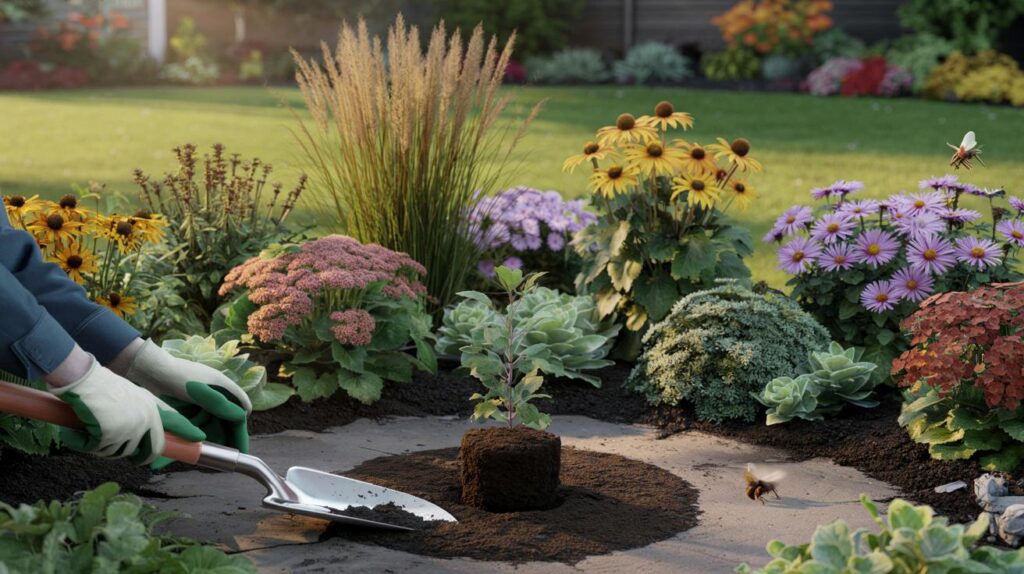
Autumn softens the light, cools the soil and hushes the garden. People who move now set up spring fireworks later.
As All Saints’ Day (Toussaint) nears, the ground stays warm, rain turns steady, and growth slows above the soil. Gardeners who plant perennials in this brief window gain roots, resilience and a head start that others miss.
Why Toussaint is the gardeners’ secret window
Late October to early November gives you something spring cannot: warm soil without heat stress, moisture without deluge, light without scorching. Roots develop while foliage keeps a low profile. That quiet period builds plants that surge when days lengthen.
Soil warmth, calm light, reliable rain
Soil often sits between 8°C and 12°C, which keeps root tips active. Days grow shorter, so transpiration drops and shock stays low. Regular showers settle the soil. Young perennials anchor fast with fewer watering cans and fewer setbacks.
Plant when the soil crumbles in your hand, not when it smears. That texture signals air, drainage and warmth for roots.
Numbers that matter
- Timing: 22 October to 8 November hits the sweet spot in most regions.
- Spacing: 30–50 cm between plants prevents mildew and crowding.
- Water: 5–8 litres per plant at planting, then let autumn rain take over.
- Mulch: 5 cm of organic mulch reduces winter heave and spring weeds.
- Soil temperature: above 7°C for confident root growth.
Seven perennials the pros rate and neighbours notice
Japanese anemone
Graceful stems hold saucers of white, pink or plum from late summer to November. It enjoys dappled light and cool, fertile soil. Once settled, it rides out dry spells and fills awkward, part-shaded corners.
Asters, including dwarf forms
Clouds of daisy flowers carry the border from September into November. Taller cultivars lift the back line; compact mounds brighten pots, steps and mounded beds. Modern selections shrug off powdery mildew and tolerate lean soil.
Sedum (stonecrop)
Fleshy umbels shift from blush to brick-red and feed late pollinators. Stems stay upright in wind and frost. It thrives on roofs, gravel and slim borders, adding crisp structure where lawns struggle.
Helenium
Sunny discs in gold and burnt orange warm grey days. This sun-lover enjoys average soil and steady moisture. It draws the eye to quiet corners and pairs well with grasses.
Heuchera
Ever-fresh foliage in copper, lime, silver and raisin tones knits plantings together. It frames paths, edges steps and softens hard lines. Leaves hold colour through winter, keeping beds alive when flowers rest.
Hardy geranium (cranesbill)
Low, spreading clumps cover ground, smother weeds and bloom for months. It tolerates sun or light shade, clay or sand. Shear once in midsummer and it flushes again.
Calamagrostis (feather reed grass)
Vertical plumes rise clean and tight from May, then fade to wheat through winter. It stands tall in wind and frost. Autumn planting secures roots so stems shoot early next year.
| Plant | Height | Spacing | Light | Soil/moisture | Peak colour |
|---|---|---|---|---|---|
| Japanese anemone | 80–120 cm | 50 cm | Part shade | Moist, fertile | Aug–Nov |
| Aster (incl. dwarf) | 25–120 cm | 35–45 cm | Sun to light shade | Average, well-drained | Sep–Nov |
| Sedum (stonecrop) | 30–60 cm | 35 cm | Full sun | Poor to average, dry | Aug–Oct |
| Helenium | 60–140 cm | 45 cm | Full sun | Average, consistent | Jul–Oct |
| Heuchera | 25–45 cm | 30 cm | Shade to part sun | Moist, well-drained | All year foliage |
| Hardy geranium | 25–50 cm | 35 cm | Sun to part shade | Any, not waterlogged | May–Sep |
| Calamagrostis | 120–180 cm | 60 cm | Full sun | Average, well-drained | Jun–Feb form |
Planting now can cut next spring’s watering by roughly a third, because roots establish while the sky does the work.
Planting like a pro between late October and early November
Pick the spot
Map your light. Note where walls create reflected warmth. Mark wind tunnels between buildings. Avoid dips that hold winter water. Group sun-lovers together and shade-tolerant types under light canopies.
Prepare the ground
Fork to a spade’s depth to loosen compaction. Mix in two buckets of garden compost per square metre. Lift perennial weeds by the root. Rake a level tilth so crowns sit at soil level.
Planting pattern and watering
Stagger plants in triangles for a natural look. Keep crowns at the same depth as the pot surface. Heel in gently to remove air pockets. Water once, deeply, then step back and let showers settle the soil.
- Avoid fertiliser now; push roots, not leaves.
- Mulch around, not over, crowns to prevent rot.
- Label positions; autumn foliage can vanish fast.
- Stake tall asters and heleniums lightly if your site is windy.
Make it look planned without hard work
Winning combinations
Contrast shape and tone. Pair heuchera ‘obsidian’ with the smoky heads of sedum. Thread dwarf asters along a path edge. Lift the back with calamagrostis to add height and movement. Drop Japanese anemones in the dappled shade where fences meet hedges.
Low-effort care
Deadhead asters and heleniums to keep colour rolling. Shear hardy geraniums in midsummer for a fresh flush. Leave sedum heads and grass plumes for winter texture and wildlife cover. Top up mulch each autumn to save weeding later.
Five minutes with sharp secateurs after a wet Saturday morning can buy six extra weeks of flower display.
What you gain in the spring if you act now
Perennials planted at Toussaint outcompete weeds as temperatures rise. Their crowns expand earlier, so gaps close before annuals wake. You spend less time coaxing wilting roots through unexpected spring heat spikes. You spend more time editing form and colour.
Real-world numbers for a small border
On a 4 m² bed, seven to nine plants create instant rhythm. Three tall anchors, three mid-height fillers and three edge plants leave breathing room. A basic autumn shop could land you this mix for £70–£110, depending on pot size.
Useful extras most people overlook
Consider bulbs under and between perennials. Tulips and narcissus shoot through before summer leaves bulk up, then vanish as perennials cover spent foliage. Pairing adds spring drama without extra watering.
Mind winter wet. If your plot puddles, raise the bed by 10–15 cm with grit and compost. Sedum and calamagrostis hate cold, soggy feet. Japanese anemone copes better, but only if water drains within a day.
Think containers if soil is heavy and time is tight. A 40 cm pot with peat-free compost and a dwarf aster, a heuchera and trailing ivy gives colour from September to March. Water once a week in dry spells, then refresh the top 5 cm each autumn.
Track pollinators. Asters and sedums feed bees and hoverflies into November. Leave some stems over winter; solitary bees use hollow cuttings as shelter. Cut back in late February when new growth swells.
If frost threatens hard, throw a breathable fleece over fresh plantings for a week. That brief cover helps roots knit after a late cold snap. Remove as soon as temperatures rise to keep air moving.



Super helpful breakdown. The “22 Oct–8 Nov” timing and the reminder to water deeply once (5–8 litres) then let autumn rain take over is gold. Love the combo ideas—heuchera with sedum, and calamagrostis at the back. I always over‑fertilise in autumn; “push roots, not leaves” is going on my shed door. Bookmarked for spring follow‑up.