
Colder nights are back, energy caps keep shifting, and budgets feel stretched. Small, repeatable habits still protect you at home.
As forecasters flag a sharp nip in the air, households brace for longer boiler cycles and pricier months. The good news lands close to the front door. Seal leaks, set temperatures smartly, and run your system well. Modest tweaks compound into real money, while comfort improves.
Bills rising again: why heat escapes faster than your pay packet
Homes lose warmth through gaps, vents, thin glazing and under‑insulated roofs. That loss drives bigger bills. Older properties feel it first. Newer builds leak less, yet still waste energy through small draughts and poor controls. The cheapest win starts with your hands and a cold day. Trace chills around window frames, letterboxes, chimneys, floorboards and loft hatches. Mark each spot. Then fix what you can in under an hour.
Stop heating the street: in many older homes, infiltration and draughts account for a large slice of heat loss.
The 1°C rule that trims around 10%
Set the main thermostat to the lowest comfortable point. Dropping by 1°C can shave roughly a tenth off space‑heating use for a typical gas home. That is often £80–£120 a year, depending on your property and prices. Keep living spaces around 18–20°C. Bedrooms can sit at 16–18°C, with warmer settings for babies, older people and anyone with health conditions.
Seal, insulate, ventilate: the winter trio for every home
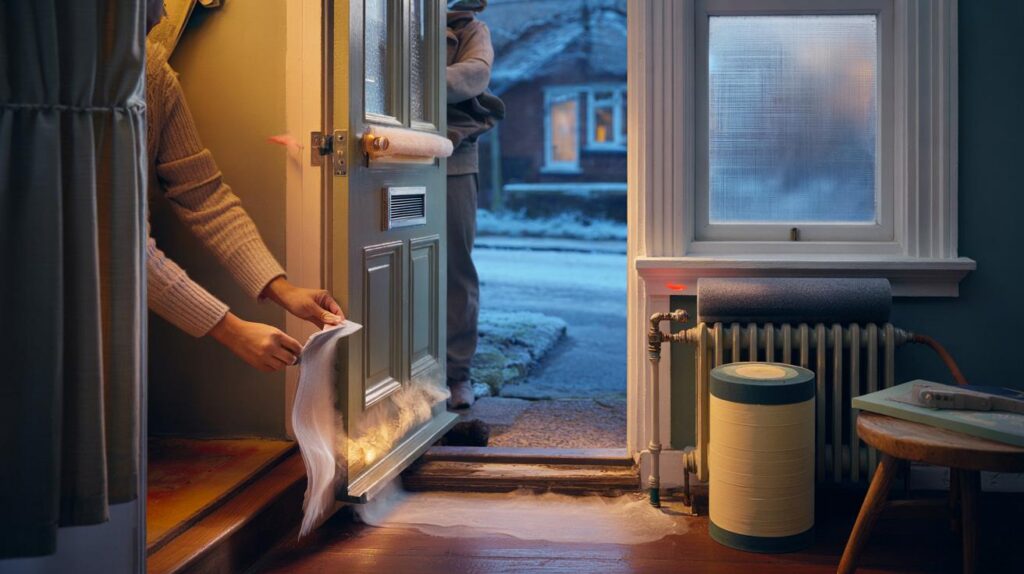
Draught‑proof first. Fit a brush to the letterbox. Add a keyhole cover. Use self‑adhesive foam strips around windows and doors. Slide a chimney balloon into an unused fireplace. Lay a draught excluder at the foot of the door to the hallway. Pull thick curtains at dusk. Consider secondary glazing film for the coldest rooms. Each step costs little and pays back through the season.
Next, look above your head. Heat races through thin lofts. If insulation is below the height of your rafters, a top‑up to around 270 mm often pays within a few winters. Seal the loft hatch perimeter with compression tape. Insulate exposed pipework in the loft to deter freezing.
Ventilation still matters. Short and sharp works best. Open windows wide for 5–10 minutes to refresh air and push moisture out. This helps curb condensation and mould without chilling the whole house.
Warm homes feel dry, not stuffy. Vent fast, seal gaps, and let your radiators warm people — not the night sky.
- Close curtains at dusk and open them on sunny mornings to bank free solar heat.
- Use a draught excluder and a letterbox brush to cut cold air at floor level.
- Fit stick‑on secondary glazing film to single panes in the chilliest rooms.
- Insulate loft hatches and lag visible hot‑water and heating pipes.
- Keep furniture clear of radiators to stop trapped heat and cold spots.
Tune your heating system like a pro
Bleed radiators. Trapped air reduces output and forces longer boiler cycles. Use a radiator key, catch drips with a towel and stop when water runs smooth. Then balance the system. Part‑close lockshield valves on the nearest radiators and leave distant ones more open. Heat should arrive to every room together. This simple job evens warmth and trims waste.
Check boiler settings. Many condensing boilers run too hot for efficiency. Lower the flow temperature to around 55–60°C for radiators and let the boiler condense more. Expect a 5–10% cut in gas use if rooms still reach target temperatures. If they do not, nudge the setting up a little. Time and temperature scheduling also matters. Programme shorter pre‑heats, align on/off times with your real routine, and set cooler temperatures in unused rooms with thermostatic radiator valves.
Service your boiler before the deep freeze. A clean heat exchanger, a safe flue and correct combustion save trouble when the mercury drops. Wood stoves and open fires need a sweep to prevent soot build‑up and improve draw.
Heat pumps and electric homes
Heat pumps thrive on low temperatures and long, steady runs. Use weather compensation if available. Keep flow temperatures low and steady. Check filters and outdoor unit clearances so air keeps moving in frost. Pair with smart thermostats and zoned schedules. Electric resistance heaters cost more to run. Use them tactically for short bursts in a single room, with doors closed and curtains pulled.
Avoid frozen pipes, damp and unsafe kit
Cold snaps cause more than high bills. Burst pipes wreck floors. Wrap exposed pipes in garages, lofts and porches. Isolate and drain outdoor taps. Clear gutters so meltwater escapes and does not soak walls. Test smoke alarms and carbon monoxide detectors and change batteries. Keep extension leads tidy and away from heaters.
| Action | Upfront cost | Time needed | Typical annual saving | Extra benefit |
|---|---|---|---|---|
| Drop thermostat by 1°C | £0 | 5 minutes | £80–£120 | Lower carbon by ~150–250 kg |
| Draught‑proof doors and windows | £20–£80 | 1–2 hours | £60–£125 | Fewer cold spots |
| Reduce boiler flow to 55–60°C | £0 | 10 minutes | £60–£110 | Quieter boiler |
| Bleed and balance radiators | £0–£15 | 1–2 hours | Up to £50 | Even heat |
| Top‑up loft insulation | £300–£600 | One weekend | £150–£350 | Cooler in summer |
| Smart thermostat/TRVs | £120–£250 | 1–2 hours | £70–£180 | Room‑by‑room control |
| Lag pipes and cylinder | £15–£50 | 1 hour | £20–£45 | Freeze protection |
What this means for you right now
Put numbers on it. A gas‑heated three‑bed using 12,000 kWh a year could cut usage by 10% with the 1°C rule. Add basic draught‑proofing and a flow‑temperature tweak and many homes approach 15–20% savings. At current prices, that lands near £180–£300 a year. If you top up loft insulation, the total can exceed £300, with warmer bedrooms as a bonus.
Renting? Choose reversible fixes. Use removable secondary‑glazing film rather than screws. Seal with tape you can peel away in spring. Lay a rug on bare floors to slow heat loss. Ask your landlord about TRVs, loft top‑ups or a boiler service. These upgrades protect the property and reduce running costs.
Health, moisture and comfort
Underheating living rooms can cause damp and respiratory problems. Aim for 18°C where people sit for long periods. Dry laundry near an extractor or a dehumidifier. Wipe condensation from window sills each morning. Short, strong ventilation bursts keep humidity low without draining warmth from walls and furnishings.
A quick, one‑hour winter check
- Walk the house with a candle or the back of your hand and find draughts.
- Apply foam strips, a letterbox brush and a door snake to the worst gaps.
- Bleed radiators and make sure valves turn freely.
- Turn boiler flow to 55–60°C and test room temperatures for a day.
- Set timers to match wake‑up and return‑home times with a 15‑minute pre‑heat.
- Close curtains at dusk and keep radiators clear by 20 cm.
- Lag exposed pipes and isolate the outdoor tap.
Small, repeatable actions stack up. One hour today can save pounds every week until spring.
If you want to go further, consider zoning. Heat the rooms you use, not the ones you pass through. Fit TRVs in spare rooms and keep them at a cooler setting, then shut the doors. For tech‑minded households, geofencing on a smart thermostat turns the heat down when the last person leaves. Combine that with weather‑responsive control on a condensing boiler or a heat pump for steady, efficient warmth.
Thinking beyond this winter pays again next year. When budgets allow, plan bigger fabric upgrades: cavity wall insulation where suitable, better loft access and insulation, or high‑performance secondary glazing. The best savings come from stopping heat escaping in the first place, then running your system cleverly. Your meter tells the story within days.



Great roundup—lowering flow to 55–60°C and the 1°C thermostat trick finally made sense. Tried a one‑hour blitz: bled rads, fitted a letterbox brush, and shut curtains at dusk—house feels warmer already 🙂 Thanks for keeping it practical and low‑cost.