
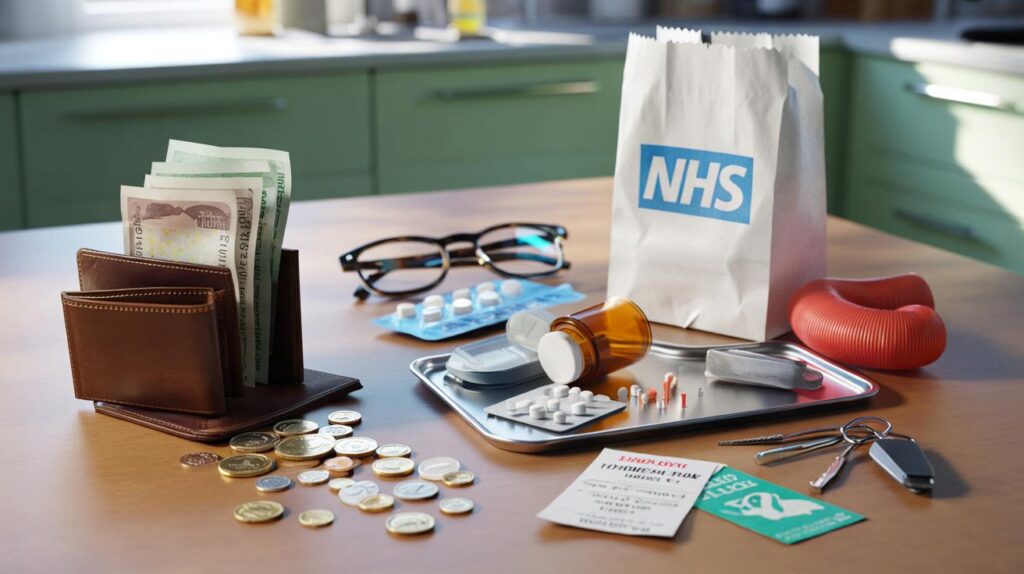
Households feel squeezed as routine care, delays and small fees stack up. Many pay more than they need to, without realising.
From dental work to eye tests, rising gaps and longer waits push people towards pricier choices. With a plan, you keep care on track and your wallet intact.
Why health bills are catching families out
The NHS remains the backbone of care, yet not everything is free at the point of use. Dental charges, prescription fees in England, eyewear, private physiotherapy when waiting lists stretch, and over‑the‑counter items all nibble at your budget. One clinic here, a pair of lenses there, and your monthly outgoings climb.
Charges vary widely. A routine NHS dental check is modest when a place is available, but a crown can nudge the contribution into the hundreds. Go private because you cannot find an NHS dentist, and a single crown can exceed £800. Glasses and contact lenses add steady costs, especially for parents with growing children. Then come travel to appointments, parking, and unpaid time off work.
Families often leak £1,200–£1,800 a year on routine health costs, mostly on dentistry, eyewear, prescriptions and top-up care.
The five big drains on your wallet
- Dentistry: check‑ups are manageable, complex work is not. Crowns, root canals and orthodontics carry the heaviest bills.
- Optics: eye tests, frames and lenses, plus upgrades like anti‑glare coatings or daily contacts.
- Prescriptions and pharmacy items: regular medicines, seasonal treatments and clinically proven over‑the‑counter products.
- Physio and allied therapies: private sessions when you need faster relief or more frequent appointments.
- Hidden extras: travel, parking, sick‑day losses, and small kit like braces, supports and monitors.
What a sensible monthly health budget looks like
A simple envelope keeps you prepared. Set aside a realistic amount each month, then tweak it as your circumstances change (new job, a baby, spectacles for a teenager, a long‑term condition diagnosed).
| Category | Typical monthly set‑aside | Notes |
|---|---|---|
| Dental | £25–£45 | Build a cushion for annual check‑ups and the odd filling; more if crowns likely. |
| Optics | £15–£35 | Annual test plus frames/lenses; contacts raise the figure. |
| Prescriptions | £10–£25 | Depends on number of items; prepayment can slash costs. |
| Physio/therapy | £10–£30 | Short bursts after injury or surgery, then drop to maintenance. |
| Travel and extras | £5–£15 | Parking, bus fares, small home‑care products. |
Adjust for your reality. A contact lens wearer, a marathon runner, or a parent of a budding rugby player might need more in certain pots.
Tactics that cut your spend without cutting care
Good habits beat guesswork. Mix price checks, entitlement checks and smarter timing.
- Use a prescription prepayment certificate if you need two or more items a month. Paying per item soon tops £200 a year; a 12‑month certificate typically costs about half that and saves serious money.
- Ask your GP or pharmacist about generics and clinically equivalent options. Many swaps lower your share with zero impact on outcomes.
- Shop around for glasses. Frames and lenses vary wildly by retailer; request your prescription and compare full quotes, coatings included.
- Get written dental treatment plans. Ask about NHS availability, staged work and alternatives. Prices for the same result can differ by hundreds.
- Book preventive care on time. Regular cleans, repairs and eye tests avert bigger, pricier fixes later.
- Claim what you qualify for. The NHS Low Income Scheme (HC1/HC2), maternity and certain long‑term condition exemptions ease or remove charges.
- Consider a low‑cost health cash plan if you spend predictably on dentistry, optics and physio. These reimburse set amounts each year for routine care.
- Use community physio and social prescribing routes for musculoskeletal niggles before paying privately.
- Plan appointments to cut travel costs. Combine errands, pick clinics with decent transport links, and ask about remote follow‑ups.
If you pay for two or more prescriptions a month, a prepayment certificate can halve your annual bill.
Negotiating and timing care
For sizeable dental or optical work, gather at least two quotes and compare line by line. Ask what is clinically necessary versus cosmetic, and whether splitting treatment over tax years suits your cash flow. In optics, avoid costly add‑ons you will not use. Stick to the task: clear vision for your daily life.
For physio, start with self‑management plans provided by NHS services or reputable apps, then buy a short block of private sessions focused on technique and home exercise. That keeps results high and the bill low.
Insurance and add‑ons: when they make sense
Private medical insurance can shorten waits for certain procedures, but premiums, excesses and exclusions vary. For everyday budgets, a modest health cash plan often delivers better value: you pay a fixed monthly sum and claim back set amounts for dental check‑ups, hygienist visits, eye tests, lenses and physio. Read the caps, waiting periods and what counts as eligible treatment.
Accident or fracture cover, travel insurance with medical protection, and income protection all play different roles. Match them to your risks. A cyclist commuting daily faces different exposure from someone working from home.
Three real‑world scenarios and the numbers
Young professional, contact lens wearer: monthly lenses at £22, annual eye test and lenses upgrade £160, occasional physio block £120 for a sports strain, two prescriptions a year £20. Total near £566 a year. Switch to a year’s worth of lenses via subscription offers, opt for a prepayment only if scripts increase, and use a short NHS physio pathway first. Potential saving £120–£180.
Two‑child family, both need glasses: eye tests (often free for children), frames and lenses for fast‑growing prescriptions, say £90 per child after vouchers; one parent needs a crown and scale/polish, roughly £300–£450 contribution depending on route; household prescriptions average one item a month £119. Total £1,100–£1,350. Savings come from careful frame choices, multi‑pair deals that actually meet need, a written dental plan with staged work, and a prescription prepayment if items rise. Potential saving £200–£350.
Retiree with arthritis and blood pressure medication: twelve prescription items a year £119, two hygienist visits and one filling around £160–£220, bus fares to clinics £60, occasional private physio top‑ups £120. Total £460–£520. A prepayment pays off if items increase, and a low‑level cash plan can neutralise dental and physio costs. Potential saving £100–£180.
Spot the leaks with a simple monthly check‑in
Open your banking app and tag health‑related card transactions for three months. Add cash spends like parking. The pattern is honest and specific: which retailer, what add‑on, which month. That beats guesswork and helps you size your set‑asides properly.
Next, run a quick simulation. Note predictable events for the next 12 months: two dental checks, an eye test, repeat scripts, sports season injuries, travel to hospital appointments. Attach prices and set a monthly target. Then automate a transfer into a “health pot” so the money is waiting when the bill lands.
Extra angles to widen your options
Ask your employer about salary‑sacrifice eyewear schemes, health cash plans, flu jab programmes, or on‑site physio. Union memberships sometimes include optical or dental discounts. Supermarket and high‑street opticians price‑match like‑for‑like quotes, which can trim upgrades without compromise.
If you live with a long‑term condition, track flare triggers and kit use. A one‑off investment in a blood pressure monitor or TENS unit can reduce appointments across the year. For parents, book checks during school holidays to avoid lost earnings, and choose durable frames with free repairs to limit repeat spend.
A small, planned monthly pot turns “unexpected” health bills into routine line items you control.



Really helpful breakdown. I had no idea a prescription prepayment certificate could cut the bill that much—paying per item has been quietly draining my budget. Going to set up a small monthly health pot and price‑check glasses properly next time. Thanks for making it practical, not preachy.