
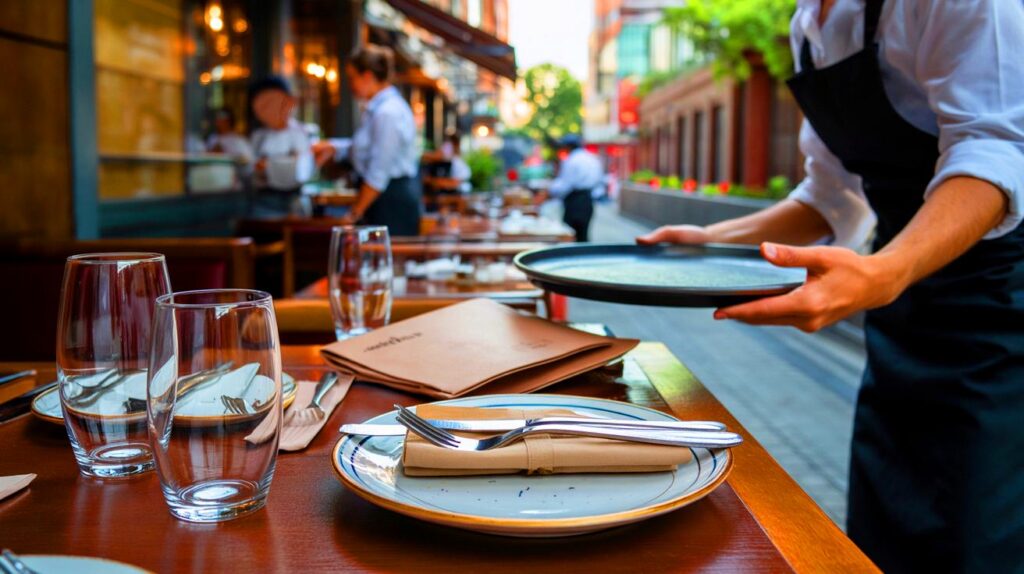
A small gesture at the end of a meal can say more about you than your order ever could, psychologists suggest.
As restaurants navigate tight staffing and busy shifts, a debate keeps resurfacing: should diners help waiting staff clear the table? Behavioural researchers see far more than manners in that moment. They see signals of empathy, humility and social awareness. They also see risks if a well-meant act disrupts a team’s workflow.
What helping to clear the table says about you
Social psychologists group these behaviours under prosocial behaviour. You take voluntary action to benefit someone else without expecting a reward. Commentators in human behaviour, such as Lachlan Brown, argue that these micro-helps often signal a community mindset. People who habitually lend a hand tend to notice others’ effort and try to lighten the load.
Micro-helps act as visible signals of empathy, community-mindedness and respect for labour. They foster goodwill in high-pressure, low-margin environments.
Empathy and perspective-taking
Clearing empty bottles to the edge of the table shows you read the room. You spotted a queue of orders, full trays and a colleague covering two sections. That awareness looks like empathy in action. It suggests you can picture another person’s workload and anticipate a helpful next step.
Respect for labour and status
Stacking plates modestly can reduce the invisible divide between guest and staff. It says you recognise service work as skilled and demanding. It also signals humility. You do not treat service tasks as beneath you. You treat the interaction as a collaboration.
Social sensitivity and norms
Helping rarely plays out the same way in every venue. Some restaurants prefer guests not to stack plates for safety reasons. Others welcome it at peak points. Socially sensitive diners read cues. They notice whether staff carry tall stacks, how they stage dishes, and where they park trays. They adapt to the house style before they act.
Helping works best when it fits the venue’s workflow and safety rules. The right act at the right time beats a dramatic gesture at the wrong moment.
Seven practical cues waiting staff notice
Small, low-drama moves can smooth service and send strong signals about your values.
- Slide empties to the table edge: this reduces reach and speeds pickup without crowding the server’s tray.
- Keep sharp cutlery visible on a plate: this protects hands and prevents accidental cuts during quick clearances.
- Group similar items together: cups with cups, plates with plates. This mirrors how most stations sort items.
- Contain mess: place used napkins on the top plate to trap crumbs and prevent spills. This cuts wiping time.
- Create a safe corridor: tuck bags under chairs and push chairs in. This keeps aisles clear during heavy traffic.
- Signal readiness: close menus, place them upright and make eye contact. This reduces unnecessary approaches.
- Ask before stacking high: a quick “where would you like these?” lets the pro decide what helps most.
Quiet, thoughtful help tends to land better than big shows. Safety, speed and simplicity beat tall stacks and wobbly towers.
What not to do
Good intentions can backfire if they add risk or friction. A few habits cause headaches for staff.
- Do not build teetering plate towers: tall stacks trap steam, crack crockery and wreck wrists.
- Avoid handing items mid-stride: surprise handovers break flow and can topple a full tray.
- Keep knives and skewers flat and visible: hiding sharp items inside napkins can injure.
- Leave hot dishes on the table: servers use cloths or trays to manage heat safely.
- Skip the aisle block: standing up suddenly with armfuls of plates can cause collisions.
- Do not repour leftovers into glasses: sticky spills slow resets and increase slip risks.
Do these gestures change outcomes?
Prosocial signals often shape the social tone of an interaction. A considerate move can prompt warmer service. It can also enhance your own mood. Research on the helper’s high links small acts of kindness to a lift in wellbeing and stress recovery. The effect does not guarantee faster service or special treatment. It does tend to build a more cooperative exchange. That matters on busy nights when patience runs thin.
There is also a longer arc. People who practise these micro-helps build a habit of perspective-taking. That habit can carry into other domains. You might spot overworked colleagues sooner. You may notice a cleaner’s cart blocking a narrow corridor and give space. The brain learns to scan for small frictions and to smooth them without fuss.
Context matters: culture, policy and timing
Etiquette varies by country and by house policy. Some fine-dining teams choreograph every movement. They may prefer you to sit back and relax. Fast-casual venues often welcome quicker turnarounds and more guest involvement. Timing also matters. Early in a meal, let the table breathe. Toward the end, subtle gestures carry more benefit and less risk.
Beyond restaurants: the ripple effect
These signals travel. On trains, stacking your rubbish before the trolley arrives shortens dwell time. In offices, returning meeting rooms to a neutral layout speeds the next team. In shared flats, grouping recycling and rinsing containers protects others from unpleasant jobs. The common factor is respect for shared spaces and for the people who service them.
Try this 30‑second empathy drill
Before you leave a space, pause for half a minute. Ask yourself who works here and what job comes next. Identify one small task that cuts their effort by 10%. Do that quietly. Then leave without fanfare. Repeat the drill for a week and note how your attention shifts.
Balancing signal and sincerity
Helping can slip into virtue signalling if you perform it for applause. The antidote is simple. Keep the action small. Match the house routine. Ask when unsure. Let the outcome, not the display, carry the meaning. People read sincerity through consistency over time, not through a single gesture.
Useful extras for the curious
Term to know: prosocial behaviour refers to voluntary actions intended to benefit others. It includes helping, sharing and comforting. Personality research links it to agreeableness and empathic concern. Context and norms shape when and how it shows up.
Try a one-week micro‑help challenge. Set a target of three small assists per day across different settings. Track what you did, how long it took, and how the other person responded. Watch for patterns. You may find that well-timed, low‑effort moves yield the strongest results for everyone involved.
Risk to note: some venues operate with strict food safety and manual handling protocols. Overstepping can put staff at risk and may breach policy. Ask first, listen closely, and adjust. The goal is to reduce effort and risk, not to add a new one.

Loved the micro-help framing—quiet, low-drama, and respectful. The 30-second empathy drill is something I can actualy practice on trains and in offices, not just restaurants. I’ll definitley try sliding empties to the edge instead of building my usual wobbly towers 🙂
Isn’t this edging into virtue signaling? If people are “helping” for applause, doesn’t that create more pressure on staff and other guests to perform? Curious how you distinguish sincere prosocial behavior from public posturing in real time.