
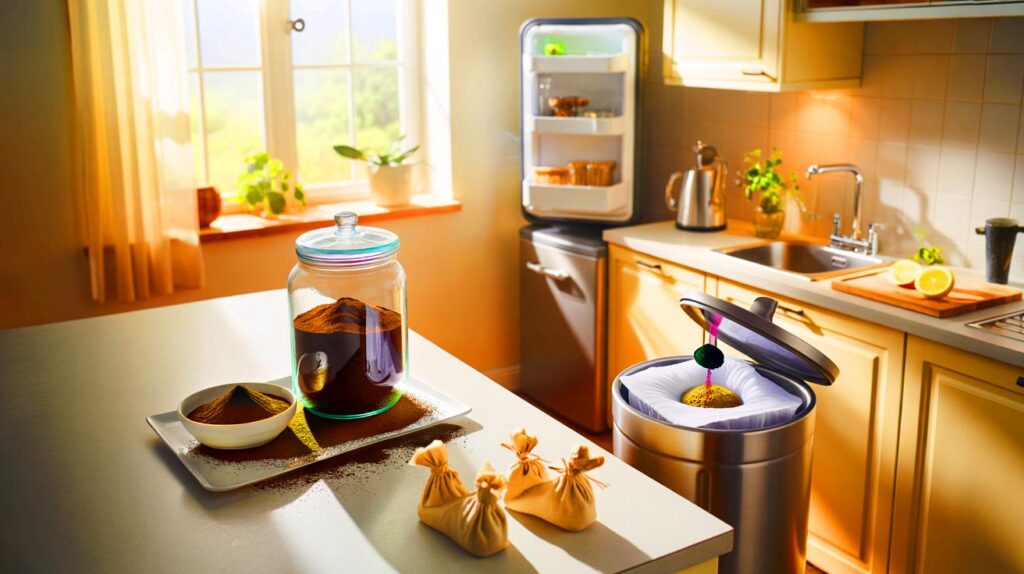
Stale air creeps in, cooking lingers and shoes tell their own tale. A zero-cost routine clears the fug fast.
Bad smells make a tidy home feel off. Open windows, chase the source, then use a humble kitchen leftover to trap odours rather than mask them. The method is quick, safe, and free, and it fits neatly into your daily habits.
Why stale smells linger at home
Whiffs travel through gaps under doors, along pipework, via vents and sockets, even through ceiling voids. Poor airflow lets odours build. Fragranced sprays only cover the problem and can add unwanted compounds to the air.
Open windows for 10 minutes, twice a day. Fresh air beats perfume every time.
- Morning and evening: create a cross-breeze for 10 minutes.
- Extraction on when you cook, then wipe splash zones and hob surfaces.
- Ventilation care: dust air inlets monthly; wash extract grilles every 3–6 months with hot water; check double-flow filters annually.
- Quick kitchen reset: a pan of simmering water with lemon slices helps lift lingering cooking notes.
The £0 fix sitting on your worktop
Used coffee grounds act like a gentle adsorbent. Their porous particles and natural oils help trap the molecules behind sour fridge smells, bin pongs and sweaty trainers. They don’t perfume the room; they reduce the cause.
Dry it right
- Collect grounds after your espresso or cafetière.
- Spread thinly on a tray and air-dry for several hours until crumbly.
- Store dry grounds in a lidded jar. Damp grounds can mould.
- Quality tip: organic coffee avoids pesticide residues in reuse.
- Texture tip: finer grounds suit hand scrubs; slightly coarser for cleaning tasks.
Only dry grounds work. If they feel damp or clump, dry them again or replace.
Target the usual suspects: fridge, bin, trainers, drains
Fridge
Place a small bowl of dry grounds on a shelf, away from spills. Swap the bowl when it feels moist or after a week. Wipe shelves first; cleanliness boosts the effect.
Bin
Sprinkle a tablespoon of grounds under each new liner or place a small open pot at the bottom of the bin. Change when the smell returns or weekly.
Trainers and shoes
Spoon grounds into a piece of old tights or a small cotton sachet, tie, and tuck one into each shoe overnight. Remove in the morning and air the shoes. Repeat after sweaty workouts.
Drains and sinks
For light odours, tip a dessertspoon of grounds into the plughole, then chase with a kettle of very hot water to move grease along the line. Use sparingly. If smells persist, switch to a maintenance clean with bicarbonate of soda, coarse salt and white vinegar, then flush hot after a short rest.
Be gentle with plumbing. Frequent large doses of grounds can contribute to blockages in greasy pipes.
| Spot | How much | Replace after | Extra tip |
|---|---|---|---|
| Fridge shelf | 2–3 tablespoons in a shallow bowl | 3–7 days or when damp | Keep away from spills to extend life |
| Kitchen bin | 1 tablespoon under liner | At each bag change | Wipe bin walls with hot soapy water first |
| Trainers | 1 sachet per shoe | Overnight | Dry insoles in the sun to kill bacteria |
| Under-sink cupboard | Small open pot | 7–10 days | Check for leaks if mustiness returns |
| Laundry room | Small bowl near hamper | Weekly | Run a 60°C empty wash to freshen the machine |
| Wardrobe | Mini sachet on shelf | 2 weeks | Avoid contact with pale fabrics to prevent marks |
| Sink drain | 1 dessertspoon + hot water | As needed | Alternate with bicarbonate and vinegar clean |
Seven smart places to use grounds today
- On the fridge’s middle shelf.
- At the base of the kitchen bin.
- Inside each trainer in a tied fabric pouch.
- In the under-sink cupboard.
- By the litter tray area, out of pets’ reach.
- Next to the washing basket.
- On a high shelf in a musty wardrobe.
Tackle the cause before the cure
Cooking smells fade faster when you run the extractor and wipe the splashback. Fishy notes cling to cloths; launder them hot. Tobacco and pet odours embed in textiles; wash throws and cushion covers and air the room. Damp smells signal moisture; open trickle vents, lift furniture from cold walls and run a dehumidifier if humidity rises above 60%.
A home that smells of nothing signals balance: clean surfaces, moving air, and dry fabrics.
Safety, storage and eco gains
- Keep grounds away from pets. Caffeine is toxic to dogs and cats.
- Store only when fully dry. Spread on a tray if clumps form.
- Used grounds can stain pale textiles; keep sachets contained.
- After use, compost small quantities to add nitrogen and structure.
- Skip perfumed deodorisers if you’re sensitive to volatile organic compounds.
Beyond odours: quick wins with used grounds
As a hand scrub, grounds lift garlic and onion notes. Rub gently with a dab of washing-up liquid, then rinse. As a mild scouring aid, they help degrease pans without scratching enamel. In the garden, tiny amounts enrich compost; avoid thick layers directly on soil as caffeine and fine particles can hinder seedlings.
A simple three-step routine you can repeat
- Air: 10 minutes of cross-ventilation, morning and evening.
- Clean: remove the source, from fridge spills to bin juices.
- Neutralise: deploy dry grounds where smells persist and replace on schedule.
If your fridge still hums after a week, check the drip tray and door seals for residue. If the bin whiffs within days, rinse it with hot water and bicarbonate of soda and dry fully before refitting a liner. For shoe odour that keeps coming back, rotate pairs and let insoles dry in daylight. Small, steady habits lock in results.
Want to gauge effectiveness? Weigh out 30 grams of dry grounds per bowl and note the swap date on masking tape. Most homes see fresher air within 48 hours when the airing and cleaning steps run alongside the grounds. The entire set-up costs £0 if you brew at home, and the time outlay sits under 10 minutes a day.



Thanks! Just popped dried grounds in a ramekin on the fridge shelf and two tiny sachets in my gym trainers—next morning, the funk was gone. Also did the 10‑minute cross-breeze. Free, fast, done. My bin says thanks too 🙂 ☕