
You’re ageing, your diary is busy, and your gut health quietly shapes tomorrow’s risks more than you think.
Across the globe, bowel cancer remains common, with about 154,000 new cases projected in 2025. Risk grows with age, but it does not rise on diet alone. Daily choices that cool chronic inflammation and support the gut lining may shift the odds. That matters from 45 onwards, when small, steady habits add up.
Why inflammation matters after 45
Low‑grade, long‑term inflammation damages DNA and disrupts metabolic pathways. In the colon, that environment encourages abnormal cell growth. Sedentary routines, smoking, heavy drinking and a low‑fibre diet nudge that process along. The flip side looks more hopeful: fibre, polyphenols and omega‑3 fats help gut bacteria make short‑chain fatty acids, which nurture the intestinal barrier and dial down inflammatory signals.
From age 45, the winning trio is simple: eat for fibre, move your body, and say yes to screening.
The six smart staples to put on your plate
1. Legumes: beans, lentils and soy
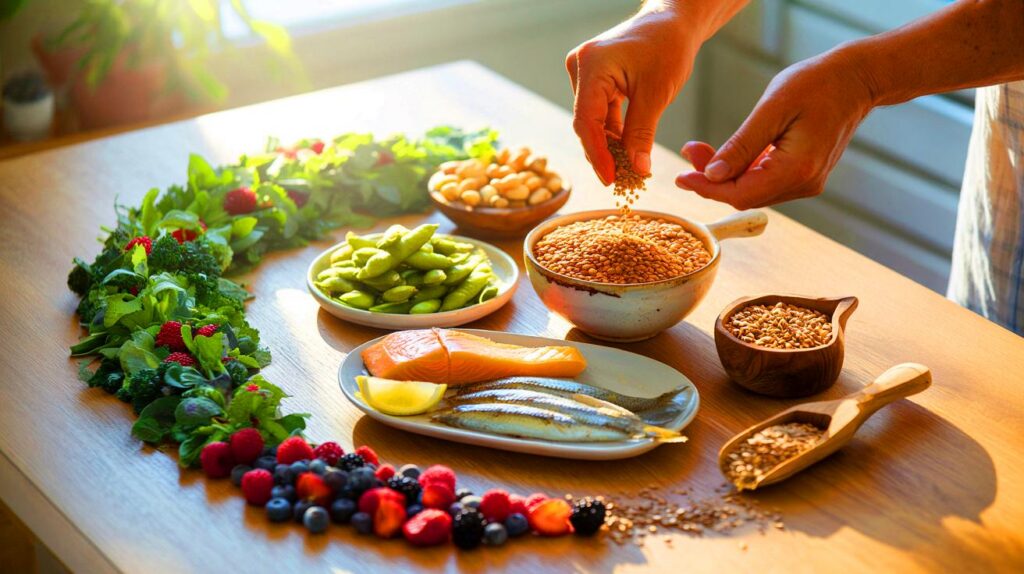
Two or more portions of legumes a week have been linked to an estimated 32% lower colorectal cancer risk. Beans and lentils deliver fibre and resistant starch that ferment into short‑chain fatty acids, feeding protective microbes. Aim for 150–200 g cooked per serving. Soak dried beans well, cook until tender, and start with small amounts if you’re sensitive to bloating.
2. Nuts, especially walnuts
A daily handful, roughly 30 g, brings unsaturated fats, magnesium, zinc and polyphenols. These nutrients help reduce inflammatory markers and may slow processes tied to cellular ageing. Choose unsalted nuts. Toast lightly to boost flavour. If you have a nut allergy, consider seeds such as pumpkin or sunflower for a similar texture and some overlapping benefits.
3. Oily fish: sardines, mackerel, salmon
Two portions per week supply marine omega‑3s that influence the inflammatory cascade. Tinned sardines or mackerel provide a budget‑friendly option, bones and all for extra calcium. Grill, bake or add to salads. If you avoid fish, an algae‑based omega‑3 supplement can cover DHA and EPA, but keep the overall pattern fibre‑rich for the gut.
4. Dark leafy greens
Spinach, kale and chard support the integrity of the gut lining with antioxidants, folate and chlorophyll. Try at least one cup cooked or raw daily. Sauté with olive oil and garlic, fold into omelettes, or blend into soups. If you take warfarin, keep vitamin K intake consistent and speak to your clinician before major changes.
5. Berries
Blueberries, raspberries, blackberries and strawberries are rich in anthocyanins that modulate inflammatory pathways. One 80–100 g portion per day fits easily at breakfast or as a snack. Frozen berries keep nutrients well and reduce waste. Mix with yoghurt and ground seeds for a fibre‑dense bowl.
6. Flaxseed (ground)
Flaxseed combines soluble fibre, plant omega‑3 (ALA) and lignans that interact with hormone metabolism. Use one tablespoon a day, freshly ground for better absorption. Stir into porridge, smoothies or soups. Store in the fridge. Take it away from medications, as high‑fibre foods can briefly reduce drug absorption in some people.
Two fish meals a week, legumes twice weekly, and a handful of nuts daily create a quietly protective pattern.
| Food | Target | Key compounds | Practical tip |
|---|---|---|---|
| Legumes | 2+ portions/week | Fibre, resistant starch | Batch‑cook lentils for quick salads and stews |
| Nuts | 30 g/day | Polyphenols, magnesium | Keep a small jar on your desk for a mid‑afternoon snack |
| Oily fish | 2 portions/week | Omega‑3 DHA/EPA | Use tinned sardines on wholegrain toast with lemon |
| Dark greens | 1 cup/day | Antioxidants, chlorophyll | Stir kale into pasta during the last 3 minutes of cooking |
| Berries | 1 portion/day | Anthocyanins | Swap sugary desserts for a bowl of berries and yoghurt |
| Flaxseed (ground) | 1 tbsp/day | Lignans, ALA | Blend into smoothies or sprinkle over porridge |
Simple swaps this week
- Use hummus in sandwiches instead of processed meat slices.
- Trade crisps for a small handful of mixed nuts.
- Replace one red‑meat dinner with a lentil and mushroom bolognese.
- Add tinned mackerel to baked potatoes in place of cheese.
- Top porridge with berries and a spoon of ground flaxseed.
- Toss a large handful of spinach into your evening curry.
Screening and lifestyle make the difference
Diet helps, but screening saves lives. From 45, organised programmes offer stool tests and, when needed, colonoscopy. Early‑stage bowel cancer is highly treatable, and outcomes improve dramatically when detected before symptoms escalate. Do not wait for warning signs.
Signals to act on include a persistent change in bowel habit, ongoing abdominal discomfort, blood in the stool and unexplained weight loss. Seek medical advice if these appear. Meanwhile, move often. Target at least 150 minutes of moderate activity a week, plus two short resistance sessions. Aim for around 30 g of fibre per day from wholegrains, fruit, vegetables, pulses, nuts and seeds. Keep alcohol low and avoid smoking.
If you’re over 45, pairing screening with a fibre‑rich, anti‑inflammatory plate gives you two powerful safety nets.
How to make it stick
Build habits around what you already do. Add flaxseed to the breakfast you like. Schedule fish on the same two evenings each week. Cook a pot of lentils on Sunday and use it three ways: salad, soup and a quick curry. Choose frozen berries and tinned fish to keep costs down and meals flexible.
Watch for personal caveats. Legumes may cause gas if you rush the portions, so increase gradually and drink water. People with nut allergies can use seeds. If you take blood thinners, keep greens steady day to day. If you have digestive conditions, ask your GP or dietitian for tailored guidance before big changes.
A broader view: putting the numbers to work
Think in weekly sums. A simple pattern—legumes twice, nuts daily, oily fish twice, greens every day, berries daily, flaxseed daily—adds hundreds of grams of fibre‑rich, polyphenol‑dense foods across seven days. That nudges inflammation down, nourishes the microbiome and supports metabolic balance. The cumulative effect is what counts.
For a quick trial, run a two‑week self‑check. Keep your usual meals but insert the six staples at the targets shown. Note satiety, digestion and energy. If bowel habits improve and snacks feel less urgent, you will have proof the plan fits your life. Hold that line, keep moving, and keep up with screening when invited.



Great breakdown. The weekly targets make it feel doable—legumes twice, oily fish twice, nuts daily. I’d love a quick shopping list version though; my brain is fried by Friday nights. Thanks for keeping it practial!
About that “up to 32%” claim—was it observational cohort data? How did they control for screening rates, BMI, and smoking? Feels like healthy-user bias could inflate the effect. Any randomzied trials or Mendelian randomization to support mechanism vs correlation?