
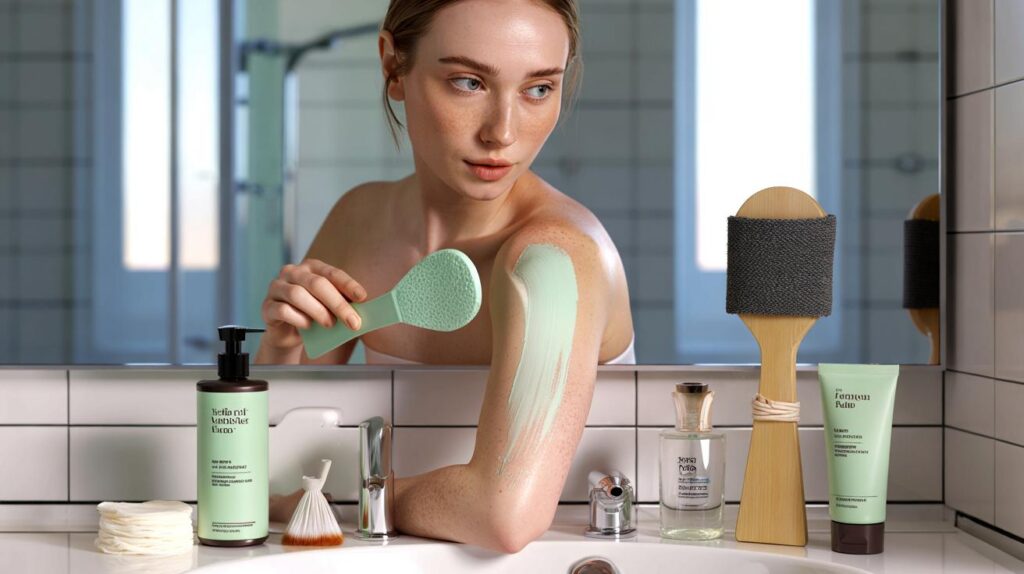
Fair skin glows in its own quiet way, yet the pressure to “look sunkissed” can feel loud. One wrong product and you’re suddenly tangerine, streaky, and dodging mirrors. We’ve all had that moment when the hands give the game away.
Saturday morning in a tiny London bathroom, the light is cold and the towel is warm. A bottle of self-tan sits by the sink like a promise, the mint-green mitt folded over its cap. She tests one pump on the back of her wrist, watches it bloom, then breathes. The smell is subtle, a whisper of biscuit and citrus, and there’s a radio phone-in about holiday plans she might never book. By lunchtime her skin looks less like winter and more like late April after a park walk. The colour is soft, even, friendly. Someone will ask what she changed. She’ll just shrug. The trick is smaller than you think.
Why pale skin needs a different game plan
Pale skin doesn’t forgive heavy-handed tanning. Go too dark, the contrast shouts; pick the wrong undertone, you turn peachy-orange by tea time. Think like a colourist. Choose “light” or “light/medium” formulas with a green or violet base to counter pink and redness. Look for 3–5% DHA on the label rather than ultra-dark 8–12% blends. That softer percentage develops into a believable glow, not a night-and-day jump. Build over two or three nights, not one big bang.
Picture this: you apply a sheer, green-based mousse on Sunday, wake up a touch warmer, then repeat on Tuesday and Thursday. Your colleague notices something, yet can’t quite place it. This staggered approach mimics what the sun does naturally in early summer. A lot of Brits sit around Fitzpatrick I–II, which means they burn easily and tan minimally. Going slow respects that biology. It also buys room for tiny mistakes that won’t scream across fair skin.
Here’s the logic. DHA, the active in self-tanner, reacts with amino acids in the outer skin to create brownish pigments. On pale skin there’s less melanin depth to blend errors into, so streaks look louder. A lower-DHA, undertone-correcting formula spreads the colour more evenly, giving you a margin of error while your eye calibrates. Self-tanner is makeup for your body, not a life commitment. Think tint, not paint.
From prep to pillowcase: a foolproof routine
Start the night before. Exfoliate with a gentle mitt or lactic-acid body lotion, then shave or wax 24 hours ahead so follicles settle. Before tanning, take a cool shower, pat dry, and apply a thin film of plain moisturiser on wrists, elbows, knees, ankles, and the back of heels. That “barrier” halts colour buildup on thirsty areas. Slip on a mitt. Work with a walnut-sized amount for each limb, sweeping in long, overlapping strokes, then small circles to blend. For your back, tuck a mitt onto a wooden spoon with a hair tie. DIY solved.
Face next. Mix 2–4 tanning drops into your night cream and blend down the sides of the neck, over the ears, behind them too. Use a clean kabuki or foundation brush to airbrush wrists, fingers, and ankles; it diffuses that tell-tale cut-off. Wipe nails and palms with a damp cotton pad and a dot of micellar water. Soyons honnêtes : personne ne fait vraiment ça tous les jours. Keep a baby wipe by the sink for insurance. Sleep in loose cotton and skip deodorant until morning to avoid patchy underarms.
Orange hands and stripey calves often come from rushing, not from “bad” products. Pale skin loves thinning tricks. Mix a 50:50 blend of mousse and moisturiser for hands, feet, and neck blend lines. Then treat development time like baking: hands get 30–60 minutes less than legs. If you’re anxious, try a clear, fragrance-free water that develops without a guide colour. It’s less messy on sheets, more chill on nerves.
“Pale skin tans best when you respect undertones, use less product, and finish with a brush,” says London spray-tan artist Rina Patel. “Your best tan is the one nobody can spot.”
- Less is more on pale skin. Start with light/medium and layer across days.
- Use a pea of moisturiser on knuckles, cuticles, and side of the hands before application.
- Buff wrists, ankles, and hairline with a clean makeup brush for a soft fade.
- Choose green/violet-base formulas to neutralise pink or cool redness.
- Clear waters for bedsheets; tinted mousse for beginners who need a guide.
Keep it believable: maintenance, safety, mindset
Glow maintenance is quiet work. Moisturise daily with a simple, oil-free lotion so the colour fades evenly. Top up every third night with a gradual lotion or two drops in body cream for arms and shins. When it’s time to reset, soak in a warm bath with Epsom salts, exfoliate lightly, and spot-correct with a paste of baking soda and micellar water on stubborn areas. Keep your palette soft: reapply on collarbones, shins, and the outer arms, then sheer out everywhere else. It reads like weekend light, not Ibiza week nine.
Safety is the boring bit that protects the fun. DHA sits on the outer skin; it doesn’t equal sunscreen. SPF is non-negotiable. Use SPF 30+ every single day on face, neck, and hands, rain or shine. Apply tan in a ventilated room, avoid inhaling sprays, and patch test if you’re reactive or pregnant. Fragrance-free and alcohol-light formulas are kinder to dryness and eczema-prone areas. If in doubt, try a gradual lotion first. Fewer surprises, calmer skin.
Mindset matters. Work with the skin you have. **Work with undertones, not against them.** Pale can be powerful; a whisper of warmth just adds dimension. Let freckles breathe. Keep ankles and wrists a touch lighter than calves and forearms to trick the eye into “real”. A soft tan won’t change your life, but it might change how your jumper looks with your favourite jeans. That’s enough.
150-word wrap-up
The best tans on pale skin look like a good night’s sleep and a walk outside, not a different passport. Strip the ritual back to undertones, prep, and restraint. Think day-by-day layering, brush-blended edges, and a moisturiser buffer on the bits that drink up colour. Pick formulas that whisper rather than shout, let them develop while you make tea, then rinse in lukewarm water and get on with your day. If someone asks, say you switched your lighting. Or don’t. Share your tiny tricks with a friend who’s nervous about their first attempt. Body colour is a conversation, not a contest. A soft tan can lift mood, smooth textures, and help clothes read better on camera. It’s not theatre makeup. It’s a filter you control. Keep SPF in your bag and a mitt in your drawer. The rest is just practice.
| Point clé | Détail | Intérêt pour le lecteur |
|---|---|---|
| Undertone-first shade choice | Green/violet-base, 3–5% DHA, light/medium only | Prevents orange, keeps colour believable on fair skin |
| Prep + barrier method | Exfoliate 24h prior, moisturiser on dry spots, long strokes with a mitt | Reduces streaks, avoids dark patches on elbows, knees, ankles |
| Edge-blending tools | Kabuki brush for wrists/ankles, wipe nails/palms, dilute for hands/feet | Erases tell-tale lines so your tan passes as natural |
FAQ :
- What shade should pale skin pick?Start with light or light/medium and a green or violet base; build over two or three sessions.
- How do I stop orange hands?Apply moisturiser on knuckles and cuticles first, use a brush to buff, and wipe nails and palms straight after.
- Does self-tanner protect from the sun?No. It adds colour without UV; you still need SPF 30+ daily on face, neck, and hands.
- Can sensitive skin use self-tanner?Yes with care: choose fragrance-free, patch test, and try gradual lotions or drops mixed into moisturiser.
- How do I fix streaks fast?Rub a mix of micellar water and baking soda on the patch, rinse, then reapply a thin, diluted layer and blend wide.



Loved the “light/medium + 3–5% DHA” advice and the idea of building over days. I’ve been going too dark, too fast, and regretting it by lunchtime. This is the first guide that actually feels doable—definately bookmarking.