
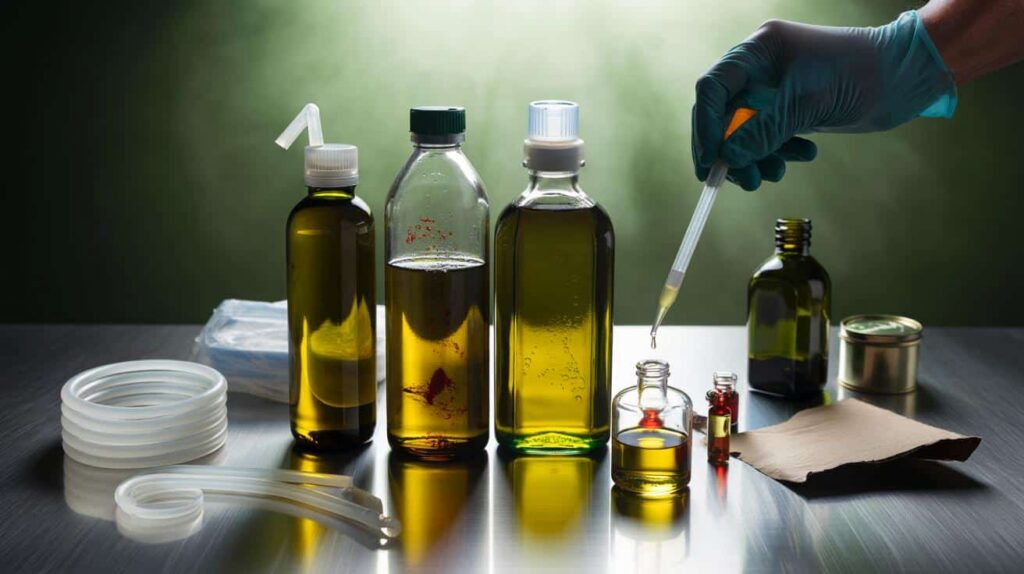
France’s 60 Millions de consommateurs has tested popular extra-virgin oils and raised a red flag. The magazine says several bottles carried contaminants linked to plastic packaging and processing. The alert targets a short list of brands, and it asks regular users to pay attention.
What the consumer tests found
The magazine reviewed 24 well-known extra-virgin olive oils sold in French supermarkets. Most met expectations on taste and basic quality markers. Concerns emerged when lab screens looked for unwanted chemicals. The tests picked up traces of plasticizers and mineral oil hydrocarbons in many samples, with a handful showing higher levels than the rest.
The magazine reports elevated levels of two phthalates — DEHP and DBP — in four extra-virgin references, and urges shoppers to steer clear of those batches.
Plasticizers can migrate from certain packaging or processing materials. Mineral oils can come from lubricants, inks, or transport materials. Even tiny amounts raise questions, because olive oil dissolves lipophilic molecules easily. Regular users face repeated exposure over time, which can lift the total dose.
Why plasticizers land in oil
Olive oil is a fatty matrix. It pulls in chemicals that prefer fat over water. When oil sits in soft plastics, or passes through tubing and seals that contain phthalates, some of those molecules can move into the liquid. Storage heat speeds that process. So do long shelf times and light exposure.
Phthalates like DEHP and DBP are regulated in the EU and flagged as endocrine disruptors with potential reproductive effects at certain exposure levels.
Mineral oil hydrocarbons have another path. They can drip from machinery grease. They can rub off from recycled cardboard or printed packaging. Some lots show more than others, which points to equipment, logistics, and packaging choices rather than the olives themselves.
The four brands flagged by the magazine
According to 60 Millions de consommateurs, these extra-virgin oils showed the highest phthalate levels in their panel:
| Brand (as tested) | Issue reported by the magazine |
|---|---|
| Naturalia Vierge Extra “Like a Virgin” | Elevated DEHP/DBP compared with the panel |
| La Vie Claire Vierge Extra | Elevated DEHP/DBP compared with the panel |
| Terra Delyssa Vierge Extra | Elevated DEHP/DBP compared with the panel |
| Cauvin Bio “La Bio” | Elevated DEHP/DBP compared with the panel |
The magazine stresses that many other products tested did not raise the same level of concern. Still, it advises heavy users to swap away from the four names above and to favor low-contaminant oils in glass. Results can vary by batch. A single bad lot does not define a brand forever, yet consumer pressure often speeds corrective action.
What this means for your kitchen
You can lower your exposure without giving up olive oil’s benefits. Focus on packaging, storage, and how you shop.
Pick dark glass or metal tins, check harvest dates, and store cool and away from light. These three steps do most of the work.
- Choose dark glass or tin over plastic. Fatty foods and plastic do not mix well.
- Look for “extra virgin,” “cold extraction,” and a harvest date. Fresher oil needs less aggressive processing.
- Keep bottles in a cool, dark place. Heat and light speed chemical migration and oxidation.
- Buy smaller formats if you cook rarely. An open bottle ages fast.
- Smell and taste before a big drizzle. Fresh oil smells green and fruity, with a light bitterness and a peppery finish.
How to read an olive oil label
Labels carry clues about both quality and risk. They also help you compare like-for-like products.
Quality cues that matter
- “Extra virgin” signals low free acidity (≤ 0.8 g/100 g) and no heat refining.
- Country or region of origin gives traceability. Single-origin oils tend to be tighter controlled.
- Harvest year beats “best before” for freshness. Aim for the latest harvest.
- Varietal mention (e.g., Koroneiki, Picual) aligns flavor and stability with your cooking.
- Protected designations (PDO/PGI) indicate rules on production and audits.
What scientists say about risk
Context helps. Most tests find small amounts of contaminants in fatty foods. Risk depends on dose, frequency, and who is exposed.
Phthalates and endocrine disruption
DEHP and DBP belong to a group linked to hormonal interference in animal and epidemiological studies. Regulators set strict migration limits for food contact materials in Europe. Infants, children, and people seeking pregnancy often sit at the center of precautionary advice. Cutting repeated low-level exposures across many sources — food, dust, packaging — reduces the overall load.
Mineral oil hydrocarbons
MOSH (saturated) can build up in the body over time. MOAH (aromatic) raises extra concern, as some fractions include genotoxic compounds. Modern labs can detect tiny traces. Food agencies urge manufacturers to curb sources by fixing packaging and equipment.
Reducing contamination usually starts with packaging swaps, clean lubricants, tighter storage, and better supplier controls — changes consumers rarely see but benefit from quickly.
Why packaging and process matter
Soft PVC and some flexible materials rely on plasticizers that can migrate into oil. Stainless steel, glass, and modern elastomers cut that risk. Recycled cardboard without functional barriers can release mineral oils. Ink set-offs from labels can migrate through plastic over time. Each small step in the chain matters: harvest crates, mills, pumps, tanks, fillers, caps, and pallets.
Smart buying without the stress
You do not need lab gear to shop smarter. Build a simple routine:
- Prefer glass. If you must buy plastic, use it quickly and store cool.
- Rotate brands that publish harvest dates and lot numbers.
- Keep one “finishing” oil for salads and a separate, sturdy oil (like Picual) for cooking.
- Ask your store about storage conditions. Shelves away from windows serve you better.
Extra context for frequent users
Daily users stack exposure from many fatty foods: dairy, spreads, nuts, sauces. Swapping one or two high-use items to glass-packed options cuts the total. If you cook for kids or pregnant people, prioritize dark glass bottles and fresh harvest oils. Stainless-steel bulk dispensers at reputable shops can also help, as long as they rotate stock fast.
Curious about your household’s risk profile? Track your high-fat purchases for a week. Note which come in plastic. Shift the top two to glass or tins on your next run. That small change usually delivers the biggest reduction with almost no sacrifice in flavor or price.
This article reflects the findings reported by 60 Millions de consommateurs on a panel of 24 oils. Brands may vary by lot and date. If a producer updates packaging or process, results can change fast, so keep an eye on fresh test data when it appears.


