
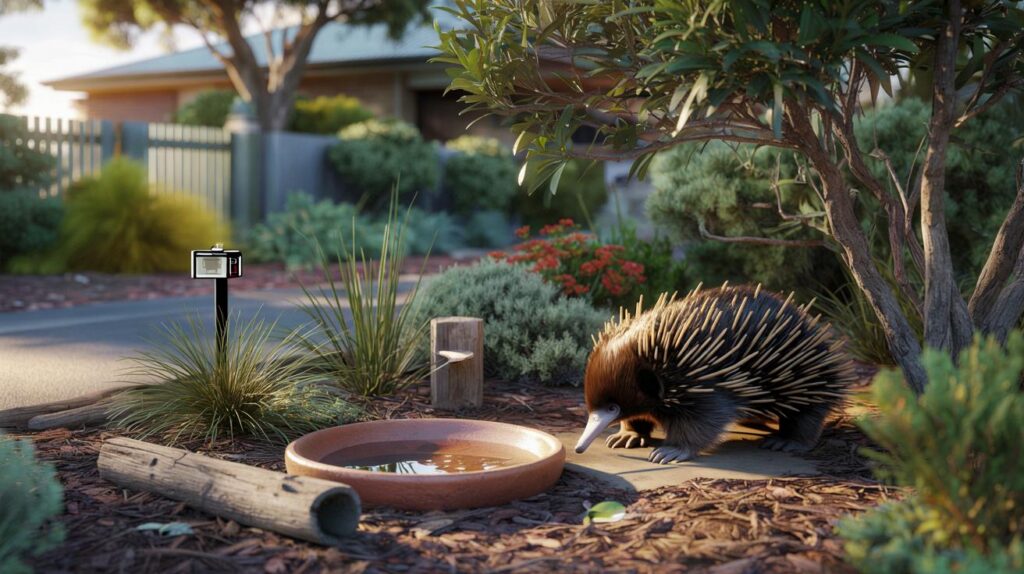
An ordinary front garden project has stirred neighbourly curiosity and online buzz after an unexpected, prickly resident chose the beds.
In suburban Australia, one homeowner’s push to replace lawn with native plants paid off in the most surprising way when a well-camouflaged echidna appeared among mulch and leaf litter. The household shared the moment on Reddit’s r/NoLawns, where the spiky visitor quickly charmed readers, who called it “adorable” and urged them to keep the newcomer comfortable and safe.
A chance encounter in a rewilded front yard
The homeowner said the sighting followed months of turning turf into shrubs, groundcovers and a deeper layer of woody debris. A photo showed a rounded cluster of spines nestled under pruned branches—easy to miss at first glance, but unmistakable once you know what to look for.
They added that a family member suspected a sighting weeks earlier, hinting that the animal had been moving through the area for some time. Encouraged, the poster asked for practical advice to make the garden more inviting, without disturbing the animal’s natural behaviour.
What the photo shows
The short-beaked echidna, common across much of Australia, tucks into leaf litter in daylight and forages more actively at dusk. From above, it can resemble a tidy bundle of twigs. Up close, keratin spines emerge through coarse fur, with a small, beak-like snout used to probe soil and rotting wood for ants and termites.
Native planting can draw echidnas, small birds and pollinators into suburban streets while slashing mowing and cutting watering needs.
Why echidnas turn up in city gardens
Neighbourhoods with native shrubs and undisturbed ground layers supply exactly what echidnas want: insect-rich soil, shelter under low foliage and safe routes between larger patches of habitat. Quiet gardens with fewer pesticides provide dense ant colonies and soft mulched areas where echidnas can dig without injuring their sensitive snouts.
These monotremes—one of only two egg-laying mammal groups, alongside the platypus—thrive where people leave a little mess: log piles, leaf litter, and patchy, shaded corners. During breeding season, which in many regions falls in the cooler months, females may shelter in thick understorey or use existing burrows. While they rarely cause damage, they do leave shallow dig-marks where they’ve hunted ants.
How they live and what they eat
Echidnas feed largely on ants and termites, using a long sticky tongue to slurp prey from galleries beneath bark or in soil. They travel surprising distances at night, often using the same backyard corridors repeatedly. When threatened, they hunker down and brace their spines against the ground. Because they rely on smell and vibration rather than sharp eyesight, calm, predictable spaces suit them well.
A single metre of native understorey—grevillea, tea-tree, mat rush, lomandra—can act as cover for small wildlife and a refuelling stop for pollinators.
Nine practical ways to welcome echidnas without harm
Gardeners keen to support visiting wildlife can make small, evidence-based tweaks that keep animals safe while keeping neighbours onside.
- Leave a 10–12 cm gap under at least one fence panel so echidnas can pass through without digging under foundations.
- Keep a shallow water saucer (2–3 cm deep) on the ground under shrubs; refresh daily and place a small stick for easy exit.
- Retain a corner of leaf litter and a few rotting logs; that microhabitat breeds the ants and beetles echidnas eat.
- Avoid pellets and sprays for slugs, ants and lawn weeds; target pests manually or with traps to protect food chains.
- Walk dogs on lead at dawn and dusk; create a dog-free zone around the most sheltered garden bed.
- Slow your car near the driveway verge after dark and keep gates shut at night to reduce risk of road injury.
- Use wildlife-friendly netting (mesh openings at least 5 mm) on fruit trees, kept taut and secured above ground level.
- Mark known shelter spots with a small stake so family and gardeners avoid raking or digging in those patches.
- Install a motion-triggered camera for a non-intrusive check of visiting times, then adjust pet and light routines accordingly.
What neighbours can expect from native planting
Replacing strips of turf with native plants changes how a front yard looks and functions. It can shift weekly chores and alter bills, often in favour of the household. Here is a quick comparison of common outcomes people report once lawns give way to layered planting:
| Feature | Conventional lawn | Native beds and shrubs |
|---|---|---|
| Water use in summer | Higher, frequent sprinkler cycles | Lower, deep but infrequent watering |
| Maintenance time | Regular mowing and edging | Seasonal pruning and mulching |
| Biodiversity | Limited habitat | Pollinators, small birds, invertebrates—and occasional mammals |
| Noise | Mower and blower use | Quieter, hand tools and spot weeding |
| Heat resilience | Exposed and reflective | Shadier, cooler ground surface |
Rules, risks and when to ask for help
Echidnas are protected native wildlife in Australia. Do not pick them up or attempt to feed them—milk, bread and pet food can harm them. If an echidna appears injured or trapped, contact a licensed wildlife rescue group in your state for guidance. Households with pools should place a simple ramp or drape a sturdy mat over the edge to aid escape if an animal falls in.
Gardeners should also check local council rules before major landscaping. In bushfire-prone suburbs, mulches and plant placement may need adjustments to meet safety guidelines. Simple spacing, gravel breaks and tidy edges near structures can keep a wildlife-friendly garden compliant and neighbourly.
A small change that scales up
The homeowner’s post on r/NoLawns—an online community devoted to replacing turf—reflects a wider shift. People are trading weekly mowing for layered plantings that bring texture, scent and wildlife. Commenters praised the echidna, not only for charm but as living proof that careful planting choices shape who visits our streets.
For readers wanting to try the same, start with one square metre of habitat in a sunny front corner. Select three to five locally native species—one shrub, one tussock grass, one groundcover—and add a 7–10 cm blanket of coarse mulch. Water deeply at planting, then back off to longer, less frequent sessions once roots take. Keep a bucket of greywater for drought spells and let leaf litter stay put.
Curious children can map wildlife routes with flour trails or soft sand patches that capture footprints overnight; adults can log sightings with a basic trail camera. Families who prize neatness can still hedge borders and keep a clipped edge along the pavement while letting the interior run wilder. That compromise calms passers-by and keeps habitat intact.
One final nudge for the cautious: you don’t need a large block to see change. A toe-hold of native plants by the letterbox, a 2–3 litre water dish tucked in shade, and a fence gap big enough for a prickly traveller can turn an anonymous verge into a safe stopover. That is how an echidna chose a simple front garden—and why more will follow quiet, connected routes through our suburbs.



Wow, what a lovely outcome! We’re mid-way through ripping out our lawn for natives and this makes me feel we’re on the right track. Any tips for keeping curious neighburs’ dogs out without turning the front yard into Fort Knox? Loved the shallow water saucer idea 🙂