
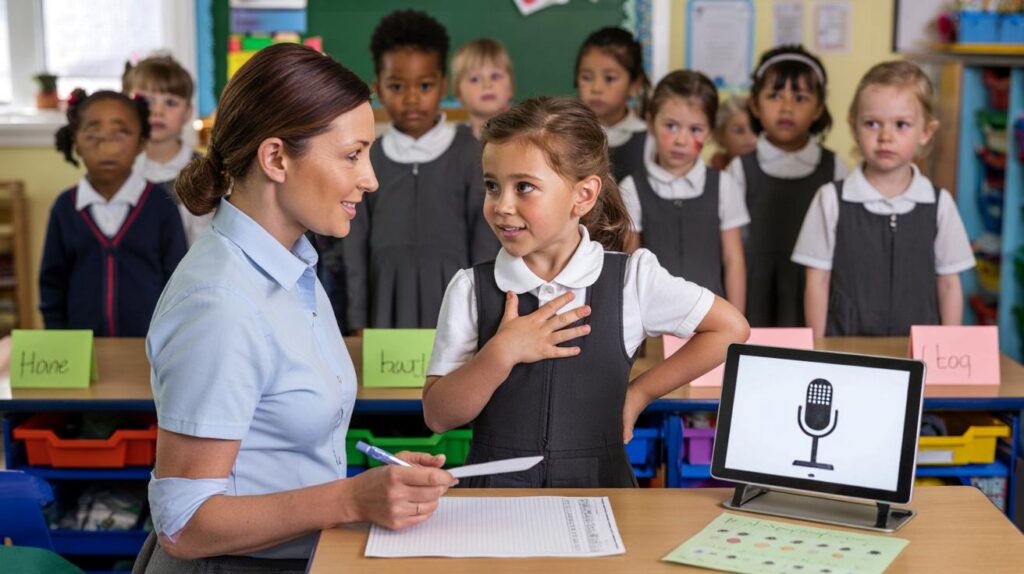
The September roll call can spark dread and pride in equal measure, especially when teachers pause at unfamiliar letters and sounds.
New classes mean new faces, fresh routines and a register full of linguistic curveballs. Many pupils hear their names reshaped in front of friends. Some laugh it off. Others go quiet. A few start day one feeling mis-seen. This year, families and schools are swapping tips to turn those awkward seconds into a moment of respect.
The 10 names tripping up the register
These names often catch teachers out in UK classrooms. Spellings look familiar, but sounds can come from Irish, French or family tradition. Always check the family’s preference.
| Name | Often misread as | Say it like | Notes |
|---|---|---|---|
| Evelyn | EV-uh-lin | EEV-uh-lin (many) or EV-uh-lin (some) | Both versions exist. Ask which the child uses. |
| Mila | MY-luh | MEE-luh | Short, light second syllable. |
| Maeve | Mah-EV | MAYV | Irish origin; long “ay” and a silent “e”. |
| Louis | LOO-iss | LOO-ee | French form takes “ee”. “Lewis” is different. |
| Beau | BOO | BOH | French vowel; single, rounded sound. |
| Aoife | Ay-OH-fee | EE-fuh | Irish spelling; “ao” gives an “ee” sound. |
| Niamh | Nee-AM | NEEV | “mh” can sound like “v” in Irish names. |
| Ralph | Ralf | Rafe (for some families) | Both “Ralf” and “Rafe” exist in Britain. |
| Cian | See-ANN | KEE-uhn | Soft second syllable; not “Keen”. |
| Fionn | Fee-ONN | FEE-uhn or FYUN (family preference) | Check stress and vowel; both are used. |
Names carry identity, history and care. Saying them right shows that the child belongs from the first minute.
Why getting a name right matters
Confidence, belonging and tiny signals
Children watch adults for cues. A clean, confident pronunciation signals respect. A fumble repeated across weeks can nibble at confidence. Some pupils start to avoid speaking up. Others shorten their name to fit in. Small changes in tone or stress can shift how peers copy the name. Getting it right sets the tone for friendships and group work.
Practical records and routines
Schools record preferred names on their systems. A pronunciation note helps staff who cover lessons or run clubs. A short register routine—ask, repeat, confirm—keeps things calm and quick. Visual prompts on name cards, lanyards or peg labels support new adults and supply teachers.
What teachers can do this week
- Open with consent: “Teach me how you say your name, then I’ll repeat it back.” That takes seconds and earns trust.
- Use a phonetic note on the register. Keep it short and clear: “Aoife = EE-fuh”.
- Practise tricky sets before day one. Scan the class list and rehearse unknown patterns.
- Model curiosity. If you slip, correct yourself and thank the pupil.
- Avoid anglicising without permission. Do not change a name to something “easier”.
- Invite audio. If your school allows it, store a tiny voice clip in the class folder.
Ask, repeat, write it down. Those three steps prevent most name slips in the first fortnight.
Parents’ quick fixes that actually work
- Send a short note before term with a phonetic guide in brackets: “Fionn (FEE-uhn)”.
- Offer a one-line script your child can use: “It’s Niamh, said NEEV.” Practise it once or twice.
- Pop a friendly card in the pencil case for week one: “Hi, I’m Cian—KEE-uhn.”
- Give a comparison if helpful: “Beau like ‘bow’ on a present.”
- Keep tone warm. Corrections land well when paired with a smile.
Helping children self-advocate without stress
Many pupils want to correct adults but fear sounding rude. A simple structure helps. Start with “I prefer…”, then say the name, then give a cue.
- “I prefer Aoife—EE-fuh—like ‘Eva’ with an F sound.”
- “It’s Ralph—Rafe—like the actor.”
- “My name is Evelyn—EEV-uh-lin. Some say EV-uh-lin, but mine is EEV.”
Role-play at home helps shy children. Keep eye contact gentle. Encourage a calm tone. Praise the attempt, not only the result.
Common patterns behind the stumbles
Once you spot the pattern, the name clicks. These rules solve many first-day errors.
- Irish “ao” often sounds like “ee” (Aoife → EE-fuh).
- Irish “mh” or “bh” can sound like “v” (Niamh → NEEV; Siobhan → Shiv-AWN).
- Final “-eau” or “-eau/x” tends to “oh” (Beau → BOH).
- French names like Louis lean to “-ee” endings (LOO-ee), unlike “Lewis”.
- Some British families use traditional “Rafe” for Ralph; others say “Ralf”.
First-day toolkit you can set up in ten minutes
For teachers
- Create a two-column crib sheet: “Name” and “Said like…”. Keep it on your desk.
- Write phonetics under cloakroom labels for week one, then remove once secure.
- Invite pupils to record a six-second name clip during quiet reading.
For parents
- Print a small card with the name and a guide. Let your child choose the colour.
- Rehearse three calm corrections. Stop once your child sounds steady.
- Email a short pronunciation line to the office if your teacher rotates.
When names vary by family
Many names have more than one legitimate pronunciation. Evelyn, Helena, and Elena are common examples. Louis and Ralph vary across Britain. Irish names can differ by region. The family’s version leads. Write that version. Repeat that version. Correct polite challenges with the same calm phrase each time.
Extra help for busy schools
Classroom tech can reduce friction. Seat plans can hold phonetic notes. Digital registers often allow comments. A simple “said like…” field helps cover teachers and breakfast club staff. Printed lanyards for new starters with a small phonetic hint work well for the first week. Remove hints once everyone is confident.
Added guidance for older pupils and exams
Older students meet invigilators, coaches and visiting speakers. Encourage them to add a phonetic tag to badges during events. Pastoral teams can brief exam staff on tricky names before the first paper. That reduces stress for anxious candidates. It also helps staff call pupils quickly in emergency procedures.



Loved the ‘ask, repeat, write it down’ mantra—so simple and defintely respectful. We had years of Niamh being called “Nee-am” and this approach would’ve saved tears. The comparison cues (Beau like bow) are gold. Printing little name cards for week one tomorrow!