
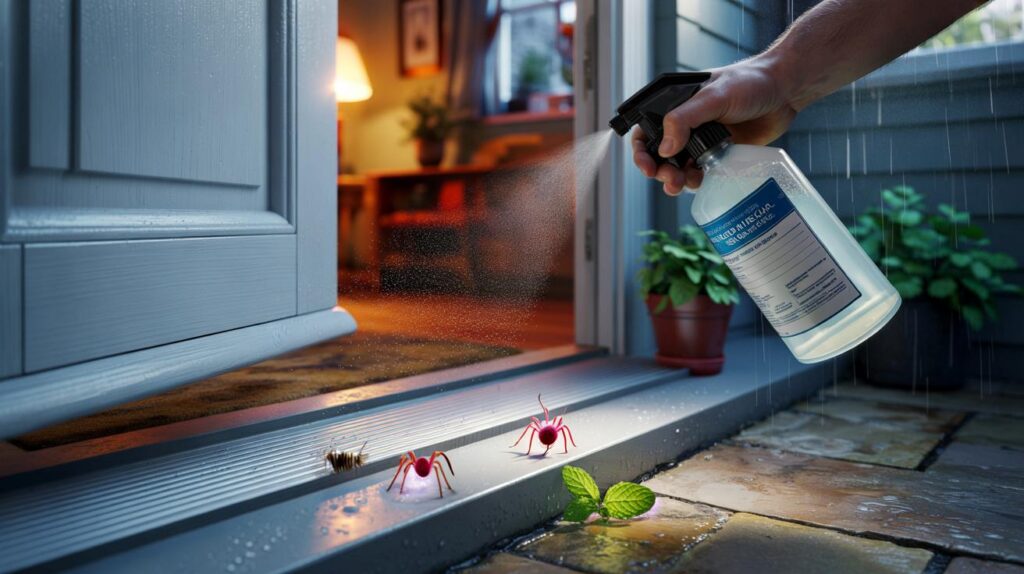
Autumn nudges spiders indoors as temperatures dip and damp creeps in. Nervous glances follow. Practical, low-cost tactics now matter most.
Across the UK, residents are bracing for the yearly surge of leggy visitors. The good news is simple kit from your kitchen can help. A plain white vinegar mix, used in one strategic spot, can tip the balance and keep arachnids from crossing the threshold.
Why spiders march indoors in autumn
Shorter days and cooler nights drive house spiders to roam. Males wander to find mates, following scent cues and drafts that lead straight under doors and through window gaps. Homes that feel cosy to us feel safe to them. Food sources such as flies and moths add to the draw.
The one place that matters: your door frame
Spraying everywhere wastes time. Concentrate on the entry line you use most: the front or back door frame and threshold. This is where spiders slip in and where a vinegar barrier works hard for you. Window frames are next on the list, especially where you leave a window ajar at night.
Target the threshold. A light, even 50:50 white-vinegar-and-water mist on the door frame creates a scent barrier spiders avoid.
How the vinegar mix works
White vinegar contains acetic acid. Its sharp odour disrupts the chemical cues spiders use to settle and search. You do not need a heavy spray. A quick pass along the frame and sill is enough to signal “not welcome” without soaking surfaces.
Make the spray in two minutes
- Fill a clean spray bottle with equal parts white vinegar and tap water.
- Optional: add 15–20 drops of peppermint or lavender essential oil for a fresher scent.
- Shake well before every use. Label the bottle clearly.
Recipe to remember: 250 ml water + 250 ml white vinegar + 15–20 drops peppermint oil, shaken.
Where and when to apply
Mist the inner and outer door frames, the bottom edge of the door, and the threshold strip. Follow with window sills, frames, vents, and any crack lines that meet the outside. Reapply every two to three days at first, then weekly once activity drops. After heavy rain or washing the floor, refresh the barrier.
| Location | How often | Notes |
|---|---|---|
| Main door frame and threshold | Every 48–72 hours, then weekly | Focus on the bottom 30 cm and hinges where gaps sit |
| Window frames and sills | Weekly in season | Prioritise windows left on vent latch at night |
| Air bricks and vents | Every two weeks | Light mist only to avoid dripping into ducting |
| Skirting board gaps | Weekly | Pair with sealant once dry |
Safety, surfaces and pets
Do a patch test on finishes before regular use. Avoid natural stone such as marble, limestone and travertine, as vinegar can etch the surface. Keep away from waxed or unsealed timber and delicate rubber seals. On those areas, switch to plain water and peppermint only.
Essential oils can irritate cats, birds and small pets. If you add oils, use modest amounts, ventilate rooms, and store bottles out of reach. Never spray directly on spiders or other wildlife. This method is a deterrent, not a pesticide.
Boost the effect with small home tweaks
Cut the welcome signs
- Seal gaps around door frames, cable penetrations and skirting with decorator’s caulk.
- Fit a brush or rubber draught excluder to the bottom of external doors.
- Reduce prey: switch off outside lights when not needed and keep bins closed.
- Vacuum webs and egg sacs promptly, then empty the canister outside.
- Lower indoor humidity to under 50% with a dehumidifier in damp rooms.
What to do if you already see spiders indoors
Place a glass over the spider, slide a stiff card underneath, and release it in a sheltered spot outdoors. Then clean the route it took: wipe skirting edges, corners and sill lines with the vinegar mix and let them dry. Repeat the threshold spray for a week to discourage repeat visits.
Common questions answered
Does stronger vinegar work better?
A 50:50 mix usually does the job without harsh odours or surface risks. Higher strength increases irritation and may damage finishes. If activity is high, reapply more often rather than upping the acid.
Will the smell linger?
The scent fades within minutes in a ventilated space. Adding peppermint or lavender masks the tang. Most people report the fragrance clears faster than aerosol air fresheners.
Is malt or cider vinegar okay?
Use clear white vinegar for minimal staining and a cleaner finish. Malt can mark pale sills. Cider vinegar works in a pinch but may attract fruit flies, which defeats the point.
When vinegar is not enough
Heavy, repeated sightings may point to structural gaps, chronic damp or a flourishing insect food supply. Upgrade seals, improve ventilation, and address moisture at source. Sticky monitors in corners can show where activity concentrates; place them for a week to guide where you spray and seal next.
Alternatives you can combine
- Diatomaceous earth: a light dust under appliances and along skirtings in dry rooms; avoid lungs and pets.
- Insect screens: fine mesh for trickle vents and frequently opened windows.
- Physical barriers: door snakes and threshold plates to close light gaps.
Think layers: a vinegar line at the door, tight seals, drier air and fewer night-time insects will shift the balance.
A quick routine you can keep up
Set a weekly reminder while the season runs. Monday: threshold mist. Wednesday: window frames. Saturday: vacuum corners and empty outside. Each pass takes minutes, costs pennies and reduces surprise encounters as temperatures fall.
As a final note, a gentle approach avoids collateral damage. Many house spiders help by catching flies and midges. Deterring entry at the door frame, rather than spraying rooms, focuses the effort where it counts and keeps your living spaces calm, clean and breathable.



Thx for the step-by-step—made the mix in 2 mins and misted the threshold. Night one and two: no spiders on patrol. Coincidence? Maybe, but I’ll take it!
Any actual data behind the “stop 7 in 10” claim, or is it anecdote? Would love a simple before/after count from readers.