
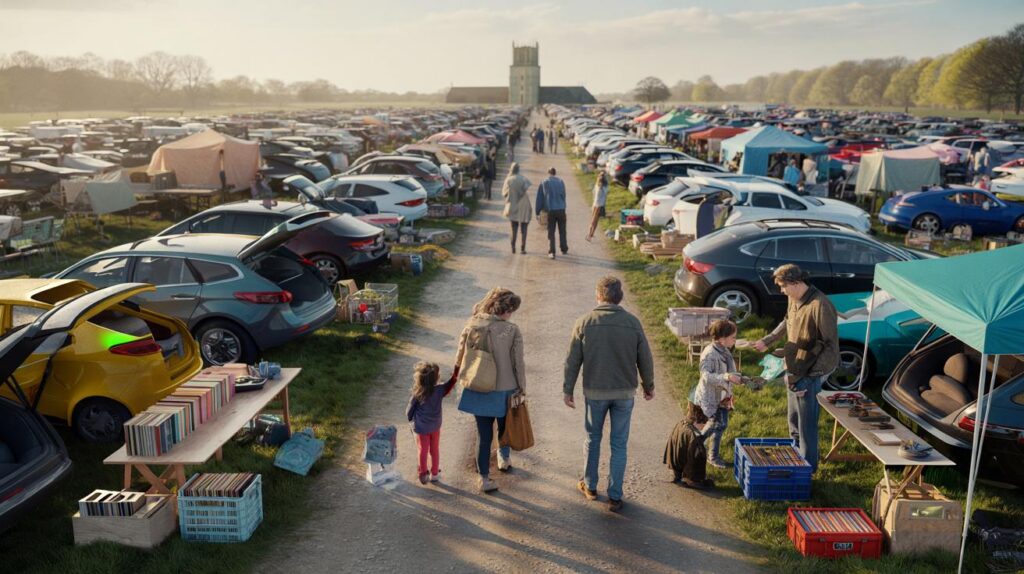
Norfolk’s weekend ritual is stirring again, with families, traders and early birds preparing for a familiar mix of bargains and banter.
Banham Car Boot, paused during the pandemic and restored in 2025, is gearing up for a bolder weekly rhythm in 2026.
What is changing in 2026
Organisers of Banham Car Boot, near Diss in Norfolk, plan to switch from twice‑monthly meets to weekly dates in 2026. The step up will begin with a three‑month trial from April, designed to test appetite and capacity. If demand holds steady, weekly Sundays are expected to continue through to late September.
Weekly trial slated for April–June 2026, with an option to run every Sunday through September if demand is strong.
The move follows a comeback year in which the event cemented itself again as a permanent fixture. After short pilots at the end of 2024, this season’s programme ran two Sundays each month between April and September.
From pause to permanent
Before COVID‑19, Banham was widely known as one of Norfolk’s longest‑running car boots. The pandemic brought trading to a halt and scattered regulars. Trials late in 2024 drew enough interest to restart in 2025, and momentum has grown since. The busiest day this year drew more than 100 vendors, proving appetite remains even if numbers are slimmer than in the event’s peak years.
Fewer sellers have, paradoxically, helped. Organisers say the field feels calmer, aisles less cramped and pitch sizes more generous. Crowds can browse at a sensible pace, stallholders can set up without rushing, and traffic stewards have an easier job.
Fewer vendors than the old peak years have created a calmer, roomier market with easier browsing and more flexible pitches.
Why weekly matters for shoppers and sellers
Weekly dates build habits. Bargain hunters can pencil Sundays into their routine without checking calendars, while sellers get more chances to clear clutter or test small side‑hustles. Regular trading also spreads attendance across more days, which keeps queues shorter and the car park flowing.
There is a social dimension too. Car boots bring neighbours, families and hobbyists together in a low‑pressure setting. Many buyers value a chat with the person behind the trestle as much as the price on the sticker. Sellers, meanwhile, gain a modest income stream and instant feedback on what people want.
Another driver sits firmly in 2025’s mindset: sustainability. More visitors now look to reuse and repair rather than buy new, and not everyone has the appetite—or reliable access—to apps such as Vinted or Depop. A field on a Sunday offers something different: cash‑in‑hand, face‑to‑face, and no postage labels.
Weekly Sundays amplify three wins at once: routine for locals, extra income for households, and a practical route to reuse.
Key facts at a glance
- Location: Banham, near Diss, Norfolk.
- 2025 format: two events per month, April–September.
- Peak 2025 turnout: more than 100 vendors on the busiest day.
- 2026 plan: weekly trial from April for three months; potential extension to end of September.
- Market feel: calmer than the pre‑pandemic peak; roomier pitches and easier browsing.
- Why it resonates: Sunday tradition, value for money, and a hands‑on alternative to fast fashion.
Schedule snapshot
| Year | Months | Frequency | Notes |
|---|---|---|---|
| 2025 | April–September | Twice monthly | Permanent return after late‑2024 trials; busiest day saw 100+ vendors |
| 2026 | April–June (trial) | Weekly | Trial gauges popularity and demand; extension to September if strong |
What organisers will measure
The trial is built to test demand. Organisers have flagged popularity and demand as the key checks. In practice, that likely means keeping an eye on stall bookings, on‑the‑day vendor counts, steady footfall and the overall feel on site. A calmer event may remain a priority, even if weekly scheduling draws more people.
How to get ready if you plan to sell
Think in batches. Group similar items, clean them, and label prices clearly to speed up chats. Bring a float of coins and small notes. A tarp or groundsheet protects stock if you don’t use tables. A simple sign listing your top items helps buyers scan quickly. If you’re downsizing wardrobes, consider bundling children’s clothes or job lots of paperbacks.
Plan for weather. Norfolk’s spring can be crisp, so pack layers and a flask. A pop‑up canopy or a couple of clear plastic sheets can save you from a sudden shower. Keep a box of spare bulbs, batteries and extension leads if you’re selling electronics and want to demonstrate they work.
A tidy layout, clear prices and a small float can lift takings and cut faff in the morning rush.
Budgeting the car boot way
Set a simple target and work backwards. If you want £75 to cover a bill, 25 items at £3 each gets you there. Expect a bit of haggling. Mark items slightly higher than your minimum, then be ready to say yes when a fair offer arrives. If you’re clearing bigger items, consider a “last hour” price drop to move bulk before packing up.
The bigger picture: reuse, fashion and rural weekends
The weekly plan chimes with a gentle shift in how people shop. More households want to keep clothing in circulation, avoid impulse online buys and put a few extra pounds back into their own pockets. A car boot fits that mood: it is tactile, transparent and local. You see what you’re buying, chat with the owner, and carry it home—no delays, no returns queue.
For families, a weekly Sunday option also brings rhythm. Kids learn the value of money by selling toys they’ve outgrown. Hobbyists pick up parts and craft materials. Collectors comb boxes for that missing record sleeve or retro console lead. If the 2026 trial lands well, those rituals could lock into the calendar from spring through late summer.
What this could mean for traffic and community
Weekly dates spread crowds, easing pressure on peak Sundays. That can help with parking flow and keep queues manageable for nearby roads. It also brings steady trade for local cafés and farm shops, rather than boom‑and‑bust weekends. Residents often find the knock‑on benefits—more predictable traffic, regular footfall—easier to live with than occasional surges.
If you plan to visit in 2026, keep an eye on the first three months. Those early Sundays will shape how the rest of the season looks, and they’re likely to be the best time to secure a roomy pitch, test prices and settle into a smoother routine.



Weekly Banham? Count me in—garage clear‑out time!