
Cold mornings, fogged mirrors and creeping black spots are back as heating costs bite and windows stay shut.
Across the UK, households are searching for low-cost ways to tame steamy bathrooms without running power-hungry gadgets all day. A hardy, supermarket-priced succulent has entered the chat, promising small but handy help against condensation and the mould that follows.
Why bathroom mould surges in winter
Warm showers meet cold tiles and glass. Water condenses, runs, and lingers. Unventilated corners stay damp for hours. That’s when mould gains ground. Families notice tickly coughs, irritated skin and musty odours. Asthma can flare when spores lift off from grout and ceilings.
Busy households make matters worse: back-to-back showers, door left ajar, fan switched off early, radiator valves turned down. Moisture has nowhere to go, so it clings to the coldest surface it finds.
Target indoor humidity near 40–60% and dry wet surfaces quickly. Starve mould of the moisture it needs to grow.
The £13.99 succulent parents are turning to
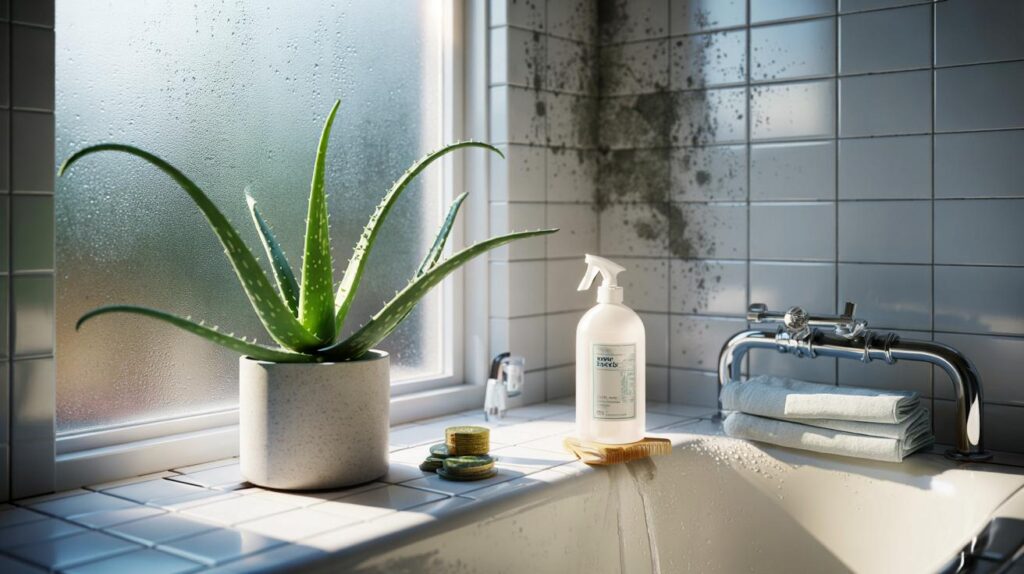
Aloe vera, the familiar first-aid plant, is gaining fresh attention for the bathroom. Retailers list compact pots around £13.99, and the plant tolerates the stop–start heating and daily steam many homes face. While no plant works like a powered dehumidifier, aloe can chip away at small pockets of airborne moisture and intercept droplets on and around the sill.
Botanically, aloe is a succulent that stores water in its leaves, opens leaf pores mainly at night, and copes with fluctuating humidity. Near a steamy shower, it sits in the thick of the problem: where condensation forms first and longest. Kept in the right spot, it can support extractor fans and open windows by nudging the balance toward drier surfaces.
A single pot will not pull litres from the air. Expect modest, local gains that reduce beading and slow the return of black spots.
Where to place it for real results
- On a bright bathroom sill above or beside the bath or shower, away from direct splashes.
- Near a cold pane that mists first, so the plant tackles the damp microclimate that feeds mould.
- Close to laundry racks in a utility nook, paired with an open window after drying.
- In a ventilated cloakroom where the fan run-time is short and air often sits still.
Keep aloe away from curious pets and toddlers. Ingestion can upset stomachs, and the sap may irritate sensitive skin.
Care tips that fit a mad week
Water sparingly. In winter, many homes can leave two to three weeks between waterings. Let soil dry fully, then water until it drains. Empty the saucer. Rotate the pot fortnightly for even growth. Use a gritty cactus mix and a pot with a drainage hole. Daylight near a window matters more than fancy feeds. Aim to keep the room above 10°C.
Ignore it too often, water it too seldom, and aloe usually forgives you. Overwater it once a week, and it won’t.
Costs compared: plant, gadgets and sprays
| Option | Upfront cost | Running cost (winter) | What it actually does |
|---|---|---|---|
| Aloe vera (medium pot) | £10–£15 | £0 | Small, local moisture reduction; fewer wet beads; adds continuous, passive help |
| Compressor dehumidifier | £120–£250 | ~£20–£45 (200–300W, 2–3h/day, 4 winter months) | Removes measurable litres; best for whole-flat damp and laundry |
| Mould sprays and wipes | £4–£8 per bottle | Repeat purchase | Kills visible growth; does not fix humidity or cold surfaces |
Under £15 upfront and no running cost appeals when energy prices squeeze the weekly shop.
Make the bathroom work harder for you
Plants help most when the room already plays fair. Use simple habits to lock in gains.
Five-minute routine after every shower
- Run the extractor for 15 minutes with the door shut.
- Crack a window for a quick cross-breeze if safe to do so.
- Squeegee glass and tiles; one minute saves hours of scrubbing later.
- Hang towels wide, not bunched; they dry faster and trap less damp.
- Keep the thermostat steady; avoid drastic temperature swings that drive condensation.
If mould has already appeared
Treat small patches quickly. Wear gloves and a simple mask if you’re sensitive. Use a dedicated bathroom cleaner or a white vinegar solution on non-porous surfaces. Never mix bleach with other products. Replace crumbling sealant rather than spraying it repeatedly. If the affected area exceeds about one square metre, call a professional—disturbing large growths spreads spores and risks irritation.
What about other plants?
Peace lily and Boston fern love humid rooms and bring lush foliage to stark tiles. Spider plant tolerates bright bathrooms and offsets dry winter air. None will outperform a fan or a dehumidifier, and many release moisture at certain times of day, so avoid overcrowding a tiny, unventilated cloakroom. Think one or two well-placed pots, not a jungle.
Extra gains you can bank this week
Seal obvious leaks and drips; even a slow, unseen drip keeps a corner damp. Fit a cheap door brush if cold draughts sweep under the bathroom door and chill the floor. Set the fan on a timer so it can’t be switched off too soon. Consider a small humidity meter; numbers beat guesswork and show whether your changes work.
A final word on the gel inside
Many households slice a leaf to soothe minor cooking burns. If you choose to harvest, use a clean knife, take an outer leaf, and allow the cut to callus. Do not apply on deep or infected wounds. Avoid ingestion and keep the plant out of reach of pets.
Pair one sturdy plant with better airflow and drier surfaces, and winter mould loses its easiest wins.



A plant “chipping away” at moisture sounds like marketing fluff. Has anyone measured RH before/after with a cheap hygrometer? I’d like numbers, not vibes.