
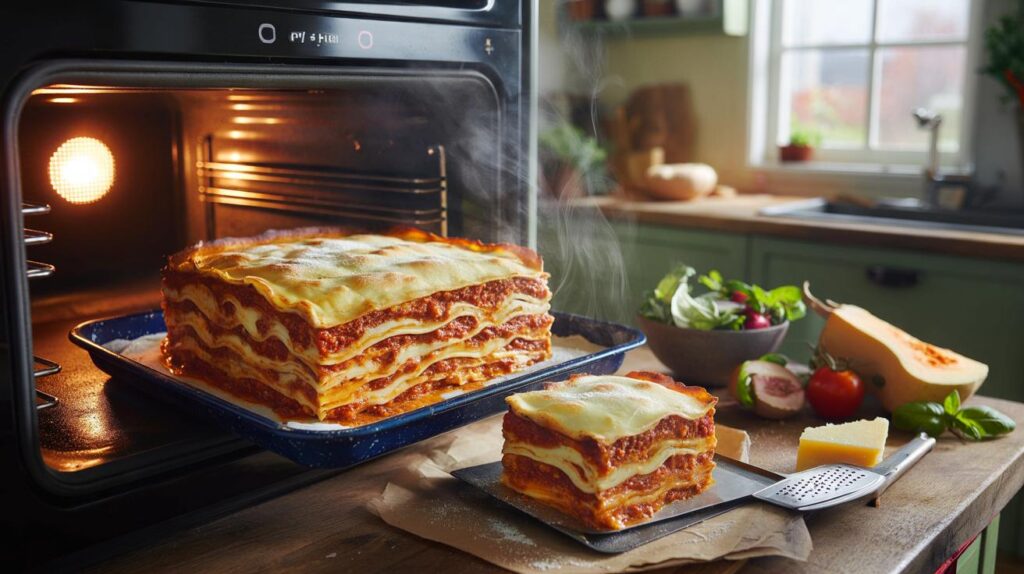
Cold evenings return, kitchens hum again, and one layered bake is quietly stealing the midweek spotlight nationwide.
As the first winds whip through parks and markets brim with squash and brassicas, home cooks reach for a familiar ritual. A tray, a ladle, a stack of pasta sheets, and the promise of warmth you can slice. The Italian-style lasagne is back on the table, and this season it comes with bolder layers, thriftier tricks and a renewed sense of togetherness.
Autumn kitchens turn to lasagne, and families follow
Lasagne is part recipe, part architecture. Success hinges on balance: a slow, savoury ragù, a silken béchamel, pasta that stays tender, and enough cheese for a proper gloss. The flavour shifts with the market. Think carrots and onions for sweetness, plum tomatoes for depth, milk warmed into a patient sauce, and parmesan for nutty lift. Serve it to six or stretch it to eight with salad. Either way, the tray returns empty.
Set the oven to 180°C, build at least four layers, and cover with foil for the first half of the bake for guaranteed softness.
What makes a batch ‘unfailingly soft’
Moisture is your insurance. A ragù that simmers for 40 minutes turns supple and clings to pasta. A béchamel beaten smooth in three additions stays glossy and doesn’t split. Fresh sheets cook evenly, while dried need a little extra sauce. A deep dish invites more layers, which hold heat and keep the middle lush.
- Sweat onion, carrot and garlic in olive oil until sweet, then brown the meat for flavour.
- Simmer passata or crushed tomatoes gently; add water by the splash to keep it saucy.
- Whisk butter, flour and hot milk into a béchamel; season with nutmeg, salt and black pepper.
- Start the dish with sauce, not pasta, to prevent sticking and dry corners.
- Alternate ragù, pasta, béchamel and cheese; aim for 4–9 layers depending on depth.
- Cover with foil for 15 minutes, then uncover for 15 to brown the top.
- Rest the tray for 10 minutes before slicing so the strata hold.
Three seasonal routes that win over a crowd
Classic ragù and béchamel for the purists
Heat olive oil, soften a finely diced onion, two carrots and two cloves of garlic. Stir in 600 g minced beef or a beef–veal mix. Brown until the juices simmer. Pour in 800 g good passata, season, and cook low for 40 minutes until the spoon leaves a slow wake. Make a béchamel with 70 g butter, 70 g flour and 800 ml hot whole milk. Season with nutmeg. Layer sauce, fresh sheets, béchamel and parmesan. Finish with béchamel, mozzarella and more parmesan. Bake at 180°C for around 30 minutes until the edges bubble and the top blisters gold.
Serve with rocket dressed in lemon and olive oil. The pepper bite lifts the richness without fuss.
Roasted vegetable and ricotta for a lighter table
Dice courgettes, aubergines, carrot and a red pepper. Toss with oil, salt and pepper. Roast at 200°C for 30 minutes until caramelised at the edges. Fold the vegetables through 400 g ricotta and a spoon of parmesan. Simmer a quick sauce with crushed tomatoes, onion, a sprig of basil and a pinch of sugar to soften acidity. Build the bake with pasta, ricotta-veg mix and tomato layers. For extra plushness, spread a final veil of thick crème fraîche before mozzarella and parmesan go on top. The result is soft, layered and bright with autumn sweetness.
Butternut and pancetta for a sweet–salty twist
Gently sauté 600 g diced butternut and a sliced onion in olive oil with a scrape of nutmeg. When the squash yields to the fork, mash part of it to a rustic puree. In a separate pan, crisp 150 g pancetta strips. Layer pasta with warm squash, sprinkles of pancetta and béchamel. Crown with grated hard cheese and bake until bubbling. A whisper of fresh sage as it leaves the oven adds perfume and a subtle, woodland note.
At least four layers give a clean slice. Deep dishes can carry eight or nine for spectacular forkfuls.
Cost, portions and energy: what you pay and what you save
Rising bills sharpen appetites for smart cooking. A tray that feeds a family and reheats well does double duty. Here is a practical, UK‑style estimate for a medium dish, with prices that vary by shop and region.
| Item | Budget tray (£) | Indulgent tray (£) |
|---|---|---|
| Fresh lasagne sheets | 1.60 | 2.20 |
| Mince or veg mix | 3.50 | 4.50 |
| Passata or tomatoes | 0.75 | 1.00 |
| Milk | 0.76 | 0.90 |
| Butter | 0.53 | 0.65 |
| Mozzarella + parmesan | 2.10 | 3.00 |
| Pantry (oil, spices, flour) | 0.30 | 0.40 |
| Energy (30 min at 180°C) | 0.28 | 0.28 |
| Total | 9.82 | 12.93 |
| Indicative portions | 6–8 | 7–8 |
| Approx. cost per portion | £1.23–£1.64 | £1.62–£1.85 |
Batch once, eat twice. The tray cools, firms and slices neatly for school lunches or quick dinners. Flavours meld overnight, giving a deeper, rounder mouthful on day two.
Timing, texture and safety that make service smooth
Rest for 10 minutes before cutting to prevent collapse. Aim for 30 minutes total in the oven for a mid-depth dish, or 40 for a deeper nine-layer build. If the top browns too quickly, return the foil. If the corners look dry, add a few spoonfuls of hot milk along the edges mid-bake.
Refrigerate leftovers within two hours. Keep for up to three days, covered. Reheat portions until piping hot all the way through, ideally to 75°C. Freeze well-wrapped pieces for up to three months; thaw in the fridge and reheat under foil to keep the centre soft.
Serving ideas that lift the plate
A peppery rocket salad with lemon and extra-virgin olive oil cuts through the richness. Toasted ciabatta rubbed with garlic makes a fine side. For a bigger table, add marinated mushrooms, olives or a little fennel salami as simple antipasti. Finish with a grating of parmesan at the table for aroma.
Make it yours without losing the soul
For gluten-free needs, use gluten-free sheets and thicken béchamel with a gluten-free blend. For dairy-light versions, try an olive-oil roux and finish with a smaller layer of cheese. Vegetarians can lean on roasted squash, mushrooms and spinach, with ricotta bringing creaminess. A spoon of tomato paste in the ragù builds savour; a splash of milk softens acidity and gives a smoother finish.
Two habits pay off: season each layer lightly, and ladle more sauce than you think you need.
A practical framework for weeknights
Prep the ragù and béchamel the evening before and chill. Assemble the next day and bake. If time is tight, par-bake for 15 minutes, cool, then finish for 15 just before serving. A deep tray yields 8 tidy squares for a family of four across two nights. The method stays the same for meat, vegetable or squash versions, so you can rotate them through the month without extra effort.
For extra context, a medium slice sits around 600–750 kcal depending on cheese load and meat fat. Pair it with a crisp salad and you still get comfort without heaviness. The dish tolerates swaps: add lentils to stretch mince, stir roasted mushrooms into squash for umami, or blend cottage cheese with ricotta for a lighter, creamy layer. The goal stays simple: soft layers, bright flavour, and a table that warms up as the tray lands.



Nine layers? Count me in. The advice to start with sauce (not pasta) and to beat the béchamel smooth is gold—my corners used to go dry. Also, covering with foil first then blasting to brown is definately the move.
£1.85 a plate sounds optimistic—did you include the real cost of mozzarella and recent energy inflaiton, or is this based on sale prices?