
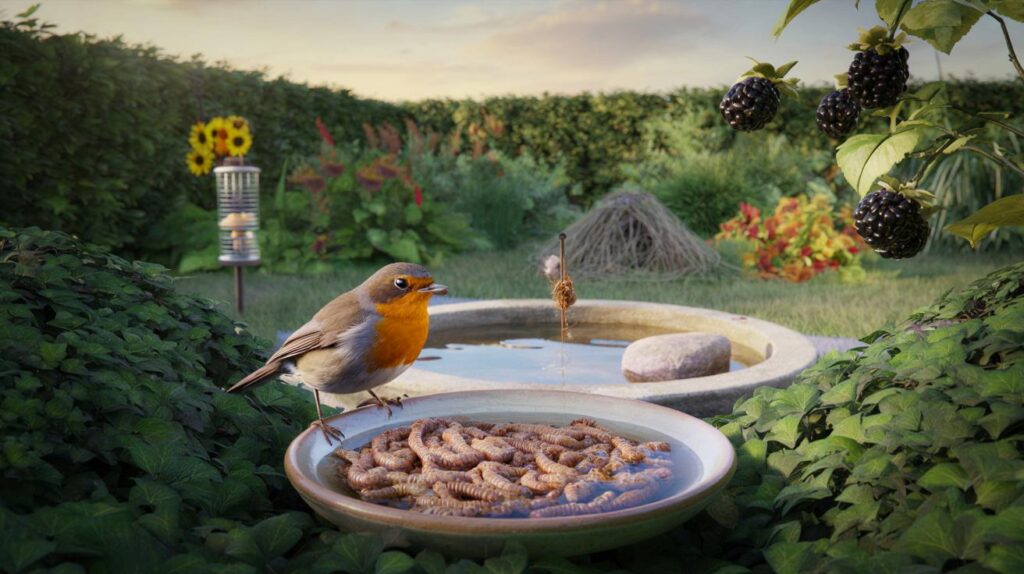
Your garden sounds quieter this month, and feeders look abandoned. Something changed, but it is not a disappearing act.
September reshuffles bird behaviour. Feathers wear out, hedgerows brim with fruit, and youngsters disperse. Feeders fall silent, yet the birds stay close. You can draw them back with smart feeding and a few simple tweaks.
Why robins seem to vanish in September
Robins do not leave most UK gardens in September. They go low and quiet. Adults replace worn feathers after breeding. This moult costs energy, so birds skulk in cover and sing less. You hear fewer calls. You see fewer feeder visits.
Nature also serves a bumper crop. Seed heads ripen. Blackberries and elderberries hang heavy. Insects linger in warm corners. With abundant wild food, birds spread out across hedges and shrubs instead of queueing at your feeders.
Young birds add another twist. Many drift from their birth patch to new territories in late summer. This dispersal thins out familiar faces on your lawn, even though local numbers may remain healthy.
September is not a bird drought. It is a brief switch: hidden birds, fresh feathers, full hedgerows — fewer feeder visits.
The one food that keeps robins loyal
If you want robins back on cue, offer mealworms. Gardeners rate them above most mixes because robins recognise them as easy protein. Dried mealworms deliver roughly half their weight as protein and a generous hit of fat. Live mealworms add moisture, which helps during moult and when natural insect numbers dip.
Sunflower hearts also help, but mealworms flip the switch fastest for robins. The texture suits their fine bill. The energy profile suits the season. You do not need much. A modest, regular portion beats a heaped tray that goes stale.
One tub, one tray, one habit: a small scatter of mealworms at dawn and again before dusk brings robins back.
How to serve mealworms safely
- Choose the format: dried are cheaper and clean; live add hydration. Both work for robins.
- Hydrate dried mealworms: soak in warm water for 10–15 minutes, then drain.
- Use a shallow, easy-clean dish at ground level or on a low table near dense cover.
- Offer small amounts twice daily and adjust to demand so nothing lingers overnight.
- Remove old food daily; rinse the dish with hot water; let it dry before refilling.
What to feed and who benefits
| Food | Best for | When to use | Notes |
|---|---|---|---|
| Mealworms (dried or live) | Robins, blackbirds, wrens | September moult; cool snaps; dawn/dusk | Soak dried; serve little and often |
| Sunflower hearts | Robins, tits, finches | All year | High energy; less mess than whole seeds |
| Suet pellets/fat balls | Tits, starlings, robins | Cooler days; pre-winter build-up | Avoid netting; use a safe feeder cage |
| Peanuts (unsalted) | Tits, nuthatches | Autumn–winter | Only in mesh feeders to prevent choking |
| Fruit and berries | Blackbirds, thrushes, robins | Right now, while hedgerows ripen | Halve soft fruit; leave windfalls in one spot |
Water and shelter still matter
Birds need clean water to drink and bathe. A shallow bath with a gentle slope works best. Aim for 2–5 cm depth and place a stone for grip. Refresh daily in warm spells. Scrub with hot water twice a week to break disease cycles. Move the bath a little each fortnight to keep the ground beneath clean.
Keep a messy corner. Leave seed heads on teasel, rudbeckia, and grasses. Stack a small pile of twigs and leaves. These patches hide moulting birds and harbour insects. You trim in late winter once food and cover grow scarce outdoors.
Small changes you can make this week
- Budget: £3–£5 buys a starter bag of dried mealworms; live tubs cost more but go further per serving.
- Time: five minutes to clean a dish, soak mealworms, and set a dawn/dusk routine.
- Placement: put the dish within two metres of dense shrubs to give robins a quick escape route.
- Rotation: move feeders every couple of weeks to fresh ground and reduce waste build-up.
Hygiene that keeps birds safe
Small, regular portions reduce spoilage and crowding. Space feeding points to stop birds bunching. Wash hands after handling feeders. Disinfect trays and perches weekly. If you see sick birds — fluffed up, lethargic, stuck around water — pause feeding for a few days and clean thoroughly before restarting. Flat, open tables can spread contamination faster than closed dishes or caged feeders, so keep surfaces scrupulously clean.
Feed little, clean often, and let birds spread out — that trio cuts disease risk while keeping visits steady.
What you might see if you stick with it
Most gardens that reintroduce mealworms at set times see robins first, then blackbirds and wrens. Blue tits and great tits follow the sunflower hearts. Numbers ebb and flow as hedgerows peak, then taper. Expect bolder visits from late afternoon when daylight fades earlier. As nights cool, suet and hearts gain traction, but robins keep checking the mealworm dish.
Extra pointers for keen bird lovers
Try a simple trial. Feed one dish with mixed seed and another with mealworms for a week. Note which dish a robin visits first and how long it stays. Most households report quicker arrivals and longer pecks at the mealworms. If you plan a camera, keep it low-profile and angled from cover so it does not deter timid birds.
Think about winter now. Plant a couple of berry producers such as cotoneaster or hawthorn for next year. Add a clump of ivy or a thorny shrub to boost shelter within hopping distance of the feeding spot. These changes cost little and reduce the amount you need to put out when weather turns hard.



Tried the dawn/dusk mealworm scatter and my robin was back on day two. Soaking dried ones for 10 mins made a big difference—no more hard, dusty bits. Great tip!