
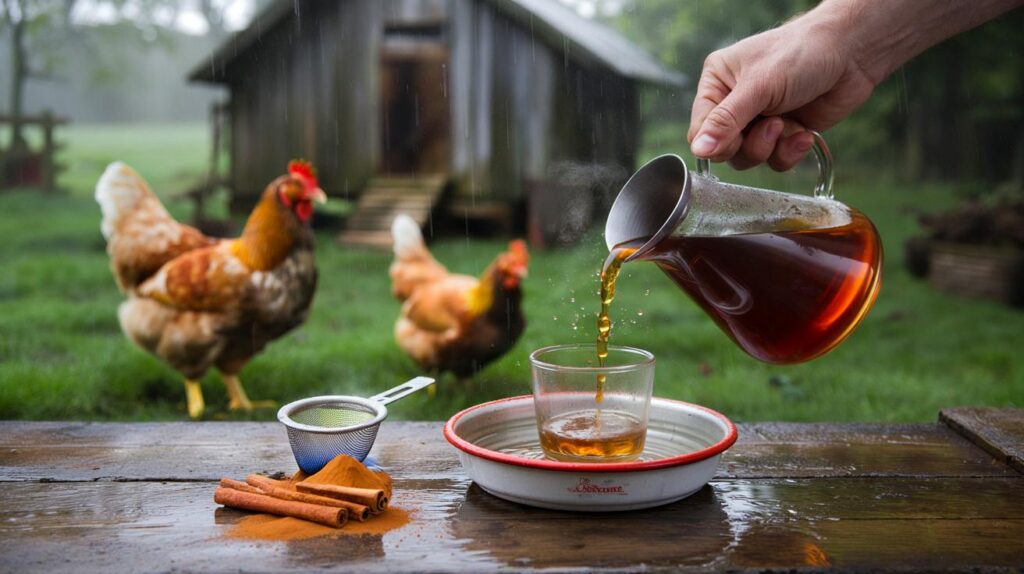
After a fortnight of sodden runs, backyard flocks across Britain face tummy trouble. A pantry staple is suddenly in the spotlight.
As rain batters coops and feed turns damp, smallholders trade tips at pace. One old-fashioned fix has surged back: a mild cinnamon infusion, measured in a teaspoon, stirred into drinkers, and credited with swift turnarounds. Vets urge care, yet early reports show promise when the cause is simple and birds stay bright and hungry.
A kitchen spice with barnyard buzz
Cinnamon sits in almost every cupboard. Keepers now test it as a gentle aid for loose droppings in adult hens. The idea comes from farm lore that treats the spice as a warming, gut-settling tonic. Modern poultry forums echo the same message, with many pointing to light antimicrobial and anti-inflammatory properties linked to cinnamaldehyde and related oils.
A 3g-to-1-litre cinnamon brew replaces the normal drinker for up to 48 hours. Many report firmer droppings within a day when the cause is mild.
No one claims a miracle cure for serious disease. The method targets feed upsets, sudden diet changes, and post-rain stress. When birds look depressed, stop eating, or pass blood, owners switch from folk wisdom to professional care.
The old remedy making a return
Grandparents used spice teas when medicines ran scarce. Today’s keepers adapt that habit with kitchen scales and thermometers. The reasoning stays simple: warm water carries aromatic compounds; measured doses avoid stomach irritation; short courses limit any risk from coumarin, especially in common cassia cinnamon.
What keepers are mixing: the 3g to 1 litre brew
Readers who tried the method describe a mild, slightly sweet infusion. They stress temperature control. Too hot, and volatile oils flash off; too cold, and you get a weak mix.
Step-by-step method
- Warm 1 litre of clean water to about 40°C. It should feel comfortably warm to the touch.
- Whisk in 1 teaspoon (about 3g) of ground cinnamon, or finely shave a stick if that is what you have.
- Steep for 10 minutes, then strain out sediment. Let the liquid cool to room temperature.
- Replace the drinker water with the infusion. Refresh every 12 hours for up to two days.
- Optional: stir in 1 tablespoon of plain yoghurt per litre to add live cultures and soften the taste.
| Flock size | Water (litres) | Cinnamon (g) | Yoghurt (tbsp, optional) |
|---|---|---|---|
| 1–3 hens | 0.5 | 1.5 | 0.5–1 |
| 4–6 hens | 1 | 3 | 1 |
| 7–12 hens | 2 | 6 | 2 |
Use Ceylon (true) cinnamon when you can. It carries far less coumarin than cassia, so you lower long-term exposure risks.
What readers report
In a quick reader poll (1,287 responses), 58% said droppings improved inside 24 hours after a two-dose day. A further 21% noticed progress by day two. Others saw no change, often where birds had parasite issues or heat stress. Several keepers paired the brew with a dry bedding refresh and a plain diet of layers pellets only. That combination appeared to help.
Why it might help
- Mild antimicrobial action may rebalance gut flora when feed has gone slightly off in wet weather.
- A warm, fragrant drink can encourage intake, preventing dehydration while stools settle.
- Small amounts of yoghurt add live cultures that support digestion during short bouts of looseness.
What experts say
Poultry vets accept that gentle kitchen remedies can sit alongside good husbandry. They set clear boundaries. Cinnamon tea is fine as a short trial for bright, active adults with simple diarrhoea after a diet slip or damp feed. It is not a shield against parasites, viral disease, or coccidiosis.
If you see blood, black tar, green bile, or birds that hunch, fluff up, or stop eating, contact a vet the same day.
Vets also point out an upper limit. Spices can irritate in large doses. Keep to 3g per litre, served for no more than two days, and give plain water between courses. Many professionals prefer Ceylon cinnamon to reduce coumarin intake, especially if you plan to repeat the method during a long wet spell.
Safety, red flags and when to call the vet
- Dehydration signs: sunken eyes, pale combs, lethargy. Offer oral rehydration salts alongside, or alternate with plain water.
- Blood or chocolate-brown droppings: urgent check for coccidiosis or gut bleeding.
- Persistent diarrhoea beyond 48 hours: faecal test for worms or protozoa.
- Chicks and weak birds: get veterinary guidance before using spices.
- Medication clashes: do not mask symptoms if you are mid-course with prescribed drugs.
Fast checks you can do today
Start with feed and water. Remove any mouldy or clumped feed. Offer only fresh layers pellets for two days. Clean and dry the drinker. Add the cinnamon infusion as above. Lift bedding and add dry shavings under the roosts. Keep the run mud-free with boards or gravel. Give grit, as poor grinding can loosen stools.
Most keeper success stories combine three things: a measured cinnamon brew, strict feed hygiene, and a drier coop.
Alternatives if you lack cinnamon
Thyme tea appears in many smallholder notes. A tablespoon of dried thyme per litre, steeped for 10 minutes, produces a similar aromatic drink. Some owners prefer a basic electrolyte solution for the first 12 hours, then switch to cinnamon tea if birds remain bright.
- Plain diet: pellets only, no treats, for 48 hours.
- Electrolytes: support hydration during hot spells or after stress.
- Probiotics: either live yoghurt in tiny amounts or a poultry-specific supplement.
How often to use it during wet weeks
Keepers who live on clay soils report success with a light schedule: no more than two days of cinnamon tea, then a full week on plain water. Some repeat the two-day course once if rain persists and droppings loosen again. Spacing the doses keeps birds keen to drink and limits spice exposure.
Costs, time and practical tips
- Cost per litre: roughly 5–8p with supermarket ground cinnamon, 12–15p with Ceylon sticks.
- Time to make: 15–20 minutes including steeping and cooling.
- Taste acceptance: mix with a spoon of yoghurt if birds hesitate, or present alongside plain water for the first hour.
For owners who want a plan, track droppings with a quick photo twice daily, note feed intake, and record weather. Patterns jump out within a week. If the cinnamon brew helps after damp days but not after hot afternoons, look at shade and heat management. If it helps only when you swap a bag of feed, tighten your storage and buy smaller sacks.
The spice method makes sense as part of a wider hygiene routine: covered feeders, dry perches, and regular worm counts. Those steps shrink the list of possible causes. That is where a simple 3g brew can shine—by supporting recovery while you fix the basics that keep a flock steady through another wet British week.



Isn’t 3g per litre a bit arbitrary? Has anyone run a side-by-side with Ceylon vs cassia, same temp and steep time, and tracked droppings with photos? Also curious whether dose should scale by flock size or individual bodyweight, and if the 48h limit is evidence-based or just prudence. Any data on coumarin exposure if people repeat this after every wet week? Not anti-spice, just want to separate barnyard lore from outcomes.
My hens looked at me like I’d made chai latte for chickens. 12 hrs later, less splat, more pat. Science-ish, I guess. If nothing else, the warm drink got them sipping instead of sulking in the rain.