
As temperatures slip and bills rise, many households want a warmer bed without switching anything on. This winter, comfort may cost less than you expect.
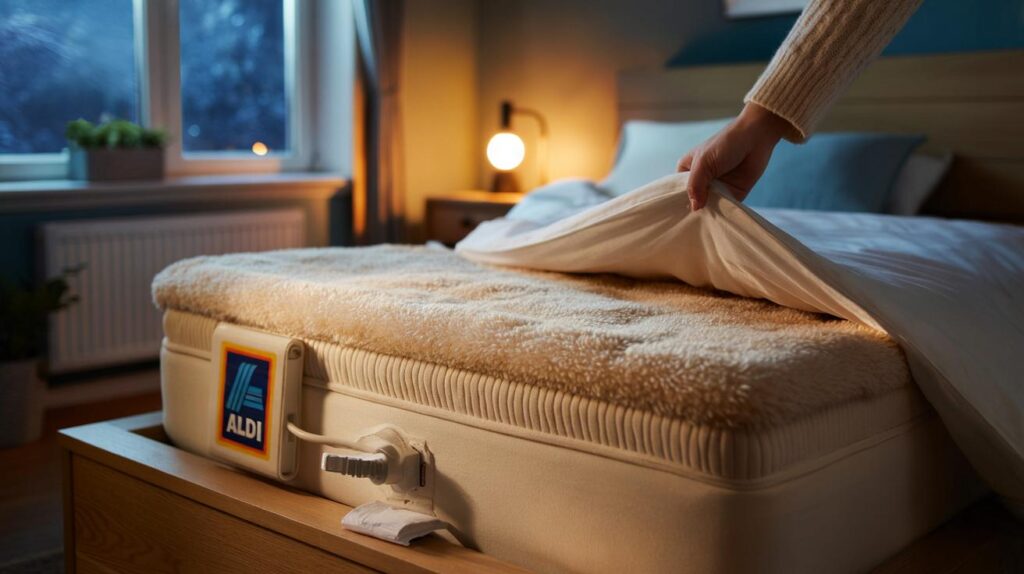
Aldi is set to put a budget-friendly teddy fleece mattress cover on shelves, promising extra warmth for pennies. It adds 3 tog of insulation under your sheet, targets heat loss from below, and aims to stretch your heating further during the coldest months.
What Aldi is putting on shelves
The retailer plans to launch the Silentnight Mattress Cover on Thursday 16 October in two sizes: double at £9.99 and king at £11.99. It sits on top of your mattress, beneath your fitted sheet, and uses a soft teddy fleece finish to trap body heat close to the skin. An elasticated skirt anchors the cover around the sides so it stays put through the night.
The cover carries a 3 tog rating. That figure signals meaningful insulation, working like an extra layer of bedding that reduces heat lost into a cold mattress. The surface feels plush, while the hypoallergenic construction aims to suit sensitive skin. Care is simple: machine wash at 30°C, skip the iron, and air-dry before refitting.
There’s a practical perk too. The cover forms a washable barrier that helps protect your mattress from spills and marks, handy if you don’t already use a dedicated protector.
Double £9.99 or king £11.99, 3 tog teddy fleece, no electricity required, in stores from Thursday 16 October.
Why an extra 3 tog matters
Tog ratings describe thermal resistance. A 3 tog layer won’t replace a duvet; it complements one. Place warm insulation between you and a cool mattress and you slow conduction, the main way beds leach heat from sleepers. That change often feels bigger than expected because warmth builds from underneath, reducing the chill that creeps through sheets in the first hour.
Think of the cover as a heat trap: your body warms the fleece, the fleece warms the air pockets, and that warmth reflects back toward you. Because it uses zero watts, it adds comfort without adding to your electricity bill.
Insulation first, energy later: an extra layer often makes a room feel two degrees warmer at the body, even if the thermostat stays put.
How it stacks up against electric heat
Many households weigh up heated underblankets and electric throws. Here’s how the new cover compares on cost and comfort.
| Item | Typical upfront price | Typical power | Running cost/hour* | Warmth feel | Best for |
|---|---|---|---|---|---|
| Electric underblanket | £25–£60 | 40–120W | £0.01–£0.03 | Steady base heat under the sheet | Very cold sleepers, quick warm-ups |
| Heated throw | £20–£50 | 100–150W | £0.03–£0.04 | Fast, direct warmth on top | Sofa evenings, reading in bed |
| Aldi teddy mattress cover | £9.99–£11.99 | 0W | £0.00 | Plush insulation under the sheet | Nightly use with no running cost |
*Running costs based on a representative unit rate; your tariff will differ.
A quick saving example
Energy advisers often suggest that lowering the thermostat by 1°C can shave a noticeable chunk from heating bills across a year. For a typical home, that can amount to roughly £80–£120, depending on size, insulation, and energy prices. If a warmer bed lets you nudge the stat down a degree overnight or delay the boiler by an hour, the maths can favour a £10 upgrade fast. The cover itself uses no electricity, so every degree you bank is pure saving.
Use insulation to sleep warmer, then trim the thermostat a notch: the smallest habits often unlock the largest savings.
Who will feel the difference
- Cold sleepers who wake with chilly backs or hips from heat loss into the mattress.
- Renters dealing with draughty rooms where central heating warms air but beds stay cool.
- Allergy-prone users who prefer hypoallergenic bedding layers they can wash at 30°C.
- Parents kitting out student digs on a budget.
- Households on prepayment meters who want warmth without adding to nightly electricity use.
Care, fit and small print
The elasticated skirt should grip most standard mattresses. If you own an extra-deep model or use a topper, measure the depth before buying to check the fit. Wash at 30°C on a gentle cycle to preserve the fleece pile. Avoid high heat in a tumble dryer; air-drying keeps the fibres lofted and cosy. Rotate the cover when you change sheets to distribute wear evenly.
Fleece fabrics can build static in very dry air. A light fabric conditioner in the wash cycle or a short airer cool-down near a humid room often tames this. Pet hair may cling to plush surfaces, so a quick lint roll before washing helps keep the machine filter clear.
What else is in the aisle for cold snaps
Aldi’s range also includes a 15 tog duvet for those who never quite warm up. Pair it with a teddy duvet set in green, grey, beige or brown to create a fully cushioned cocoon for the coldest nights. Brushed cotton sheets can add grip and extra warmth, which reduces the “slip-and-chill” feel common with smooth percale in winter.
Tips to get the most from a £10 upgrade
- Layer smartly: mattress cover under the sheet, brushed cotton sheet, then your usual duvet.
- Pre-warm the bed by closing doors and drawing curtains an hour before bedtime.
- Seal draughts around the bed zone with a simple door snake and thicker curtains.
- Keep bedding dry; moisture robs heat quickly. Ventilate rooms daily to reduce condensation.
- Try a lower night-time thermostat by 1°C once the cover is on and assess comfort for a week.
Worth knowing before you buy
Insulation layers change the feel of a mattress slightly. Expect a plusher top and a touch less bounce, which many sleepers find more comfortable in cold weather. Very warm sleepers may prefer to ditch one blanket when adding the cover to avoid overheating. If night sweats are a concern, pair the fleece with breathable cotton sheets to balance warmth with airflow.
On sale from Thursday 16 October in double (£9.99) and king (£11.99): a low-cost way to warm your bed and tame nightly energy use.
Going further: small habits, steady gains
Combine the cover with low-cost tweaks and the effect multiplies. A draught excluder under doors, a hot-water bottle at the foot of the bed, and thicker curtains can lift perceived warmth without touching the boiler. If you use an electric underblanket, preheat the bed for 20 minutes on low, switch it off before sleep, and let the fleece insulation hold the warmth through the night. That routine trims running time while keeping comfort steady.
If you like rough numbers, track two weeks of night settings with and without a fleece layer. Note thermostat set point, boiler start times, and wake-up comfort. Many households find they can start heating 30–60 minutes later or reduce the set point by 1°C. Over a long winter, that small shift can land close to the £120 saving flagged above, especially in draughty homes. Results vary, but the cost of testing is about the price of two coffees.



I love the insulation-first angle. We added a teddy fleece cover last winter and it definitley cut that first-hour chill. Didn’t touch the thermostat some nights and still felt snug. For a tenner, even if it only lets you delay the heating by 30–45 mins, that pays back fast.