
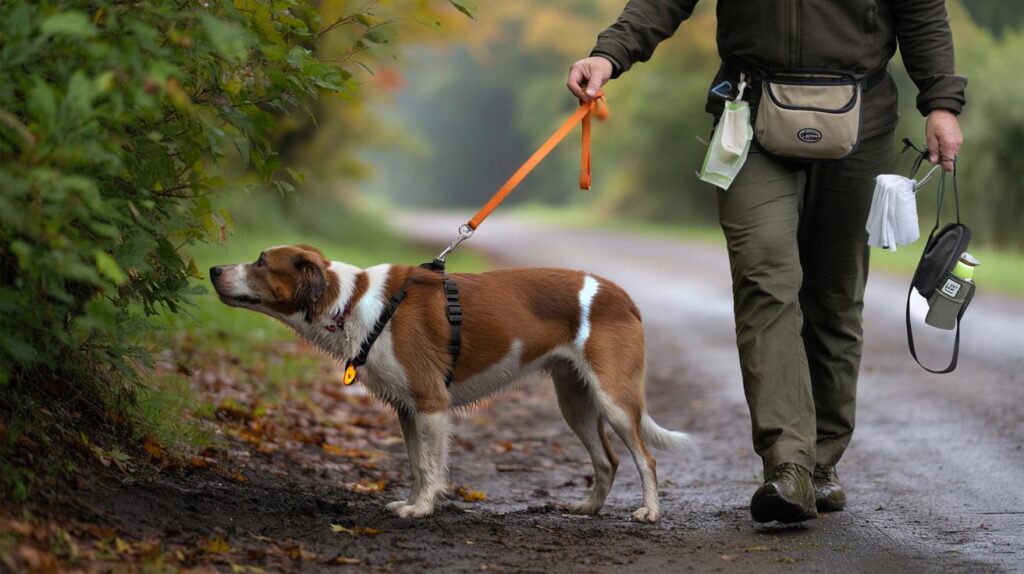
Autumn’s damp paths and rich woodland scents tempt even the tidiest pets. For many families, bath-time roulette suddenly returns.
Across parks and fields, owners report the same sinking feeling: one deep sniff, a shoulder dip, and their dog wears fox perfume home. Trainers say the surge happens each year as moisture amplifies odours. The good news is that simple routines, a small kit, and two weeks of focused practice can stop most roll-ons without turning every walk into a battle.
Why dogs roll in pungent smells
Dogs don’t roll to spite you. They roll because scent shapes how they survive, bond, and communicate. Their wild cousins masked their odour to hunt or avoid rivals. Domestic dogs still find strong smells meaningful. A patch of faeces, a dead fish, or a fox track carries data about territory, diet, hormones, and health. That message matters to them far more than the bath awaiting at home.
You can spot the pre-roll sequence if you look closely. The nose slows and hovers. The dog freezes for a beat. The head drops, then one shoulder angles toward the ground. That is your interrupt window. Step in fast, cue a U-turn, pay generously, and move on with purpose.
Three early signs demand action: a long hover-sniff, a frozen stance, and a shoulder dip. You have three seconds to redirect.
Where the trouble starts
- Car park edges and lay-bys with food spills and oil residues
- Field margins near manure, slurry, and game trails
- Wooded banks and hedgerows used by foxes and badgers
- Compost heaps and bins on allotments
- Beach wrack lines after storms with rotting sea life
These hotspots also bring risks. Fox faeces can carry parasites. Stagnant puddles may harbour leptospirosis. Rotting carcasses teem with bacteria. Quick redirection protects your dog’s stomach, your car, and your sofa.
The £20 autumn anti-stink kit you can carry today
- High-value treats in a belt pouch for rapid rewards
- A 5–10 m long line and a back-clip harness for safe control
- Two sealable bags and disposable gloves for emergency clean-up
- A compact microfibre towel and dog-safe wipes
- A collapsible bowl and water bottle for rinsing
- A clip-on light to spot scavenging zones at dusk
Ten minutes of prep often saves forty minutes of scrubbing, one ruined car ride, and a stressed dog.
Your two-week fix that actually sticks
Most dogs stop rolling when the wrong smell pays less than the right behaviour. That demands timing, distance, and rewards. Here’s a practical plan many families complete in 14 days.
| Days | Goal | Actions | Reward strategy |
|---|---|---|---|
| 1–3 | Swap the payoff | Teach a happy U-turn cue (“this way”) on quiet paths; rehearse ten short reps each walk. | Pay every response with top-tier food; keep sessions under two minutes. |
| 4–7 | Beat the shoulder dip | Approach mild odours at a distance; cue U-turn at the hover-sniff; jog away and play “find it”. | Mix food scatter and a brief tug or ball toss; reward immediately, then move on briskly. |
| 8–10 | Close the gap | Practise near stronger scents with the long line; interrupt before the freeze; add a sit or hand target. | Shift to a variable schedule: big pay for hard choices, small pay for easy ones. |
| 11–14 | Real-life proofing | Use busier routes and dusk walks; rotate routes; rehearse two surprise recalls per outing. | Fade food slightly; reward with access to a different sniffy patch on cue. |
Core cues that change the game
- “This way”: a cheerful U-turn that means movement and payment. It keeps momentum.
- “Leave”: start at home with food in fist; pay the dog for backing off; later apply to ground scents.
- “Find it”: toss three treats into grass; the nose goes to work on your terms, not the fox’s.
Keep sessions short. Train before the dog gets tired or frustrated. If your dog misses two cues in a row, increase distance from the smell, slow down, and raise the reward value. Cheese beats kibble when fox musk hits the air.
When a roll happens anyway
Stay calm. Clip the long line to prevent a second roll. Use wipes to remove the worst of it before water spreads the smell. Rinse with lukewarm water. Wash with a gentle, dog-safe shampoo. Avoid human fragrances and essential oils; some can irritate skin or prove toxic if licked. Dry thoroughly to protect the skin barrier.
Watch for red skin, persistent scratching, vomiting, or diarrhoea after contact with carcasses or faeces. Contact your vet if symptoms appear. Check for ticks around ears and armpits after hedge dives. If your dog has recurring ear or skin issues, speak to your vet about a bathing routine that won’t strip natural oils.
Make walks more rewarding than the stink
Movement and novelty reduce fixations. Change your route twice a week. Add micro-missions: two-minute heel games, a hand-target relay, or a quick tyre hop in a quiet car park. Permission-based sniffing also helps. Mark clean patches with “go sniff”, then call the dog away for pay. Control access so scent becomes a reward you own.
Map and manage the risk
- Note hotspots on your phone with time of day and tide or weather if coastal.
- Walk upwind when you can. Smells hit harder with a tailwind.
- Pick routes with wider verges to create space from ditches and hedges.
- After storms, expect more carcasses and sea wrack for 48 hours.
When to call a professional
Seek a certified behaviourist if your dog fixates on roll sites, guards them, or ignores food outdoors. Health checks matter too. Nasal congestion, ear pain, or gut issues can shift scent priorities and self-soothing behaviours. Many teams turn a corner in two to four sessions with tailored drills, better timing, and smarter routes. Expect fees of £60–£90 per session; some insurance plans contribute.
If you can interrupt before the shoulder hits grass, you can change the habit. Miss that beat and the smell wins.
Extra ideas that build a steadier nose
Give scent its own outlet. Ten minutes of sanctioned sniffing at a safe patch reduces the urge to hunt trouble. Try scatter feeding in long grass, a snuffle mat before walks, or a “find the sock” search indoors. These games satisfy the brain without the bed-bound aftermath.
For families juggling time and costs, set a weekly plan: two short training walks, one long decompression walk on a long line, and two urban loops with low wildlife traffic. Keep the £20 kit by the door. Share hotspot notes with neighbours. When the first cold snap lifts the woodland perfume again, you’ll have timing, tools, and a dog who chooses you over the stink.



Two weeks, really? My beagle laughs at my cues—does this still work for scent hounds or am I dreaming