
The rails are groaning with drop-after-drop micro-trends, but something else is happening in the quieter corners of British fashion. Small studios are building clothes with honest prices, traceable fabrics, and a promise that the hands behind the seams were paid fairly. The question isn’t “what’s in?” It’s “who made it — and were they respected?”
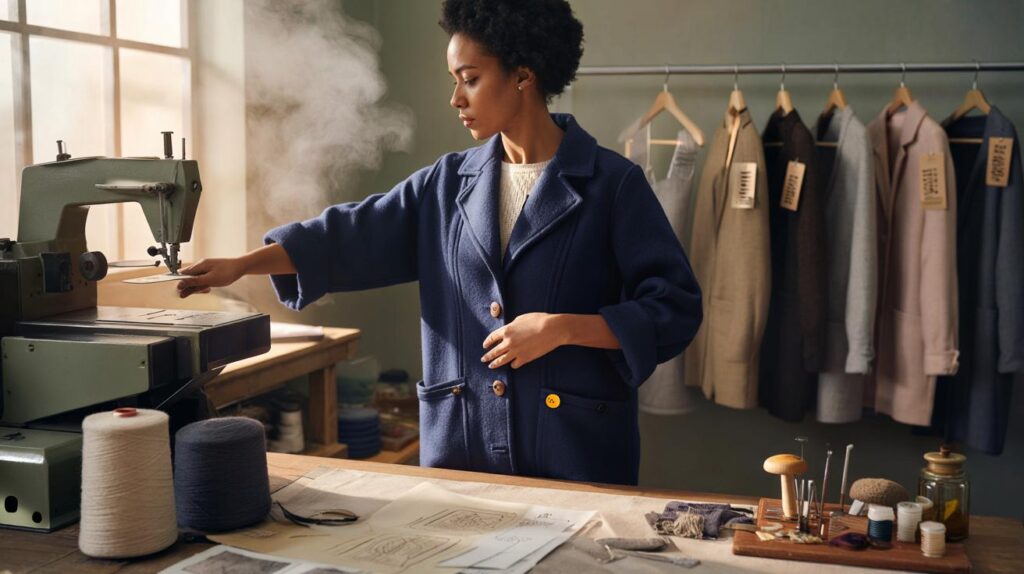
I’m standing in a narrow studio off a Hackney backstreet, where a kettle clicks as the overlocker hums. A designer named Sade lifts a jacket from the machine like a baker easing bread from the oven. The label shows a batch number, the dyer’s first name, and a postcode. She talks about wages the way most people talk about colour palettes. Her wool comes from a mill in Yorkshire that’s older than her grandmother; the buttons are from an independent maker in the Midlands. A customer tries the jacket, runs a thumb along the seam, and nods. She’s not trying to be cool. She’s trying to feel okay about where her money goes. Something shifts in the room.
The shift: why UK shoppers are choosing fair, well-made clothes
Walking through independent boutiques from Glasgow to Margate, you hear the same question: who stitched this, and how were they treated? It’s not moral grandstanding. It’s curiosity mixed with fatigue at clothes that sag or fade after a handful of outings. **Ethical fashion isn’t a trend; it’s a return to respect.**
Take a Brighton knitwear label working with British-spun lambswool and small Scottish mills. The founder switched from big seasonal drops to tiny runs and a repair service. Her price tags tell the story: materials, labour, studio costs, margin. People lean in to read. Surveys in Britain keep hinting at the same shift — well over half of shoppers say they’d pay a bit more if it means better conditions and better wear. One customer put it simply: she wants a jumper that outlasts her commute’s new coffee spot.
There’s a rational rhythm beneath the romance. Fair prices cover living wages, slow production, and tight quality control. That means fewer returns, fewer landfill-bound mistakes, and more pieces with a real second life. You get transparency because small UK designers can actually visit their makers, whether it’s a leather workshop in Northamptonshire or a dyehouse in Lancashire. The quiet luxury is knowing who made it. Pay attention and you’ll notice that ethical designers talk about cost-per-wear, not discount codes — and it shows when the cuffs still hold a year in.
How to back ethical UK designers today
Start with a three-minute brand audit. Open the “About” page: does it name specific factories, mills, or regions in the UK, and say why? Scan product pages for fabric origin, certifications like GOTS or Fairtrade Cotton, and detailed care guidance. Look for wage language that goes beyond “ethical” — Living Wage commitments, union support, or an Ethical Trading Initiative code. If there’s a repair or take-back scheme, you’ve found someone serious about quality.
We’ve all had that moment when a checkout tab is open, the colours look perfect, and you just want to click. Slow it by thirty seconds. Vague words — “conscious”, “sustainable fabric”, “responsibly sourced” — mean nothing without numbers or names. “Made in UK” can still mask poor conditions in sub-contracted units, so look for audits, small batches, and real addresses. Let’s be honest: nobody does this every single day. Trim the pressure, pick your battles, and back one designer you genuinely like.
Good design and fair pay can live in the same shirt. That’s where UK makers shine: short supply chains, skilled hands, and real accountability.
“I’d rather make 50 jackets and know everyone got a fair day’s pay than churn 500 and cross my fingers. People can feel the difference.”
- What to spot on a product page: fabric origin and weight (e.g., 12oz organic denim, woven in Lancashire)
- Named makers or partners (not just “our factory”)
- Repair, re-dye, or resole options with clear terms
- Breakdown of costs or a living-wage statement
- Small-batch indicators like batch numbers or made-to-order windows
What changes when quality leads
Choose one fair-trade-minded UK designer and you feed a line of livelihoods most of us never see: the weaver in West Yorkshire, the cutter in Tottenham, the dyer keeping a heritage process alive. The ripple goes beyond pay packets. A jacket that fits better gets worn more, washed less, and repaired instead of tossed. Friends ask where you got it, and the story spreads faster than a discount code. You start valuing what’s in your wardrobe because it holds names, not just sizes. The high street begins to notice — quieter colours, better seams, fewer throwaway drops. It’s not a revolution in neon lights. It’s a dozen wiser choices, repeated and shared.
| Point clé | Détail | Intérêt pour le lecteur |
|---|---|---|
| Traceability that names names | Brands listing mills, workshops, and regions (e.g., Yorkshire wool, Northampton shoes) | Confidence that wages, safety, and quality are monitored up close |
| Quality over quantity | Heavier fabrics, reinforced seams, repair programmes, smaller runs | Clothes last longer, feel better, and hold value second-hand |
| Price-per-wear mindset | Transparent costs and garments designed for 100+ wears | Spending once, wearing often, saving money and waste long term |
FAQ :
- What does “fair trade” mean in UK fashion?It points to fair pay, safe conditions, and respectful supplier relationships. Some use certified Fairtrade cotton; others follow living-wage frameworks and publish supplier lists. The heart of it is traceability plus decent pay.
- Are certifications like GOTS or Fairtrade enough?They’re a strong start, especially for fibres and dyes. Still check who stitched the garment, where, and under what standards. Great brands pair certifications with factory names, audits, and repair options.
- Is “Made in UK” automatically ethical?Not automatically. The UK has strong laws, yet subcontracting can create gaps. Look for small batches, direct maker relationships, Living Wage commitments, and clear addresses or factory partners.
- How do I spot greenwashing fast?Beware of vague claims without proof, recycled content without totals, and “eco” collections that are tiny compared to the main line. Real transparency lists suppliers, costs, and programmes that run all year.
- How can I budget for higher upfront prices?Buy fewer, better pieces. Use price-per-wear as your compass, choose colours you repeatedly wear, and lean on repair services. Second-hand from ethical brands is a smart gateway into quality.



Loved this—finally a piece that explains cost-per-wear without preaching. The Brighton knitwear example and the Yorkshire/Midlands supply chain details really landed. New to this and want to vote with my wallet. Could you share 3–5 UK brands with transparent cost breakdowns and repair schemes?
Sounds great, but “Made in UK” can still mask bad conditions. How do we verifiy audits if brands just post glossy PDFs? Any independant directories or watchdogs beyond GOTS and the ETI that track real factory names and wages?