
As the mercury sinks and energy bills loom, a simple bedding tweak could be the night-time shield your shivering body craves.
Aldi is about to stock a Silentnight mattress cover that aims to trap warmth where you lose it fastest: beneath you. Priced from £9.99, it promises a cosy lift without a single watt of electricity, just as overnight temperatures start to bite.
What Aldi is putting on shelves
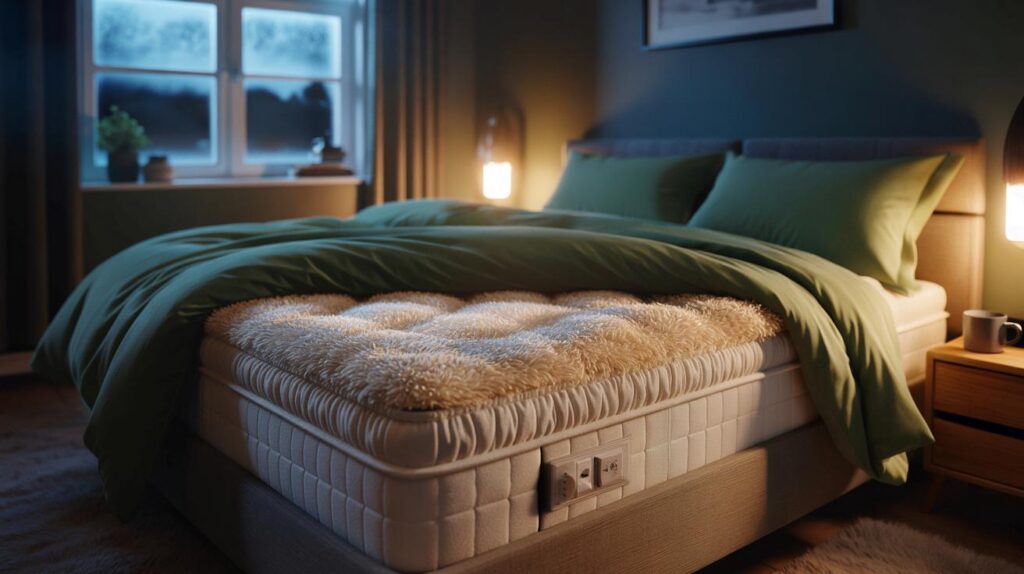
The Silentnight mattress cover is a teddy fleece layer that sits on top of your mattress and under your fitted sheet. It adds insulation, reduces heat loss to the mattress, and softens the feel of the bed. An elasticated skirt keeps it in place, and the fabric is billed as hypoallergenic for peace of mind.
On sale in stores from Thursday 16 October: £9.99 for double, £11.99 for king, 3 tog warmth, washable at 30°C.
That 3 tog rating nudges your bed’s overall warmth upward without over-bulking your duvet. If you tend to wake cold in the early hours, this layer targets the common culprit—conductive heat loss to the mattress—by putting a fluffy barrier right under your body.
How the 3 tog layer actually helps
Tog measures thermal resistance. More tog equals slower heat loss. Because heat escapes downward into the mattress as well as into the air, adding a 3 tog pad below you is like putting a warm rug between your body and a cold floor. You’ll feel less of that “cold sink” at first contact, and your duvet doesn’t have to work as hard to keep you comfortable.
- Teddy fleece finish for a soft, plush feel under the sheet
- Elasticated skirt to grip the sides and reduce slippage
- Hypoallergenic fill to suit sensitive sleepers
- Machine washable at 30°C; no ironing required
- Acts as a spill and stain barrier for the mattress
Will it save you money compared with electric heat?
This cover uses no electricity. That’s a stark contrast to electric blankets or heated throws. If you like numbers, here’s a simple cost snapshot based on a typical electricity unit price of £0.27 per kWh and eight hours of use at night:
| Item | Assumed power | Energy in 8 hours | Approximate cost per night |
|---|---|---|---|
| Electric blanket (low setting) | 70W | 0.56 kWh | £0.15 |
| Heated throw (medium) | 120W | 0.96 kWh | £0.26 |
| Mattress cover (Silentnight) | 0W | 0.00 kWh | £0.00 |
These are examples, not bills, but the direction of travel is clear. Passive warmth costs nothing to run. If you currently pop a heated throw on for a few hours each night, this layer could reduce the time you need it—or remove the need entirely on milder nights.
No wires, no heat settings, no socket required—just insulation that keeps your body heat where it belongs.
How it feels on the bed
Teddy fleece sits on the softer, brushed side of comfort. You won’t see it once your fitted sheet goes on, but you will notice the extra plushness. It can tame the hardness of a firm mattress, and it takes the edge off the first moment you lie down on a cold night. Pair it with a cotton flannel or brushed cotton sheet if you want a warmer surface feel from the start.
Sizing and fit check
Aldi lists the cover in double and king. The elasticated skirt is designed to hug around the mattress, which helps prevent ruckling. If your mattress is deep or you use a topper, measure the total depth before you buy and compare in store. You want a snug hold that doesn’t strain at the corners.
How it compares to thicker duvets
If you already run a high-tog duvet—Aldi points to a 15 tog option—adding warmth underneath can still help. Duvets trap air above you, but if your back and hips leak heat downward, the overall sleep climate suffers. A bottom layer often allows you to stick with a moderate duvet and avoid waking sweaty after 3am. For many households, a layered approach gives more flexibility as weather swings across autumn and winter.
Top-ups from the same aisle
Aldi also highlights a teddy duvet set in green, grey, beige and brown. Pairing a teddy cover with a teddy set is a cosy power move on frosty nights. If you run hot, mix textures: teddy below, cotton above, so you get the insulation without an over-warm duvet surface.
Practical care and safety notes
Wash at 30°C and air dry to protect the fleece pile. Avoid fabric softener if you want to preserve loft. Check for full dryness before putting it back on the bed, as any trapped moisture will feel clammy and can shorten the life of the fibres. Keep hot-water bottles capped tight; the cover adds a spill buffer, but it isn’t a waterproof shield.
If you do use electric bedding as well, place electric elements according to the manufacturer’s guidance and avoid stacking too many insulating layers on top. Aim for a comfortably warm bed, not a heated cocoon. The sweet spot for bedrooms often sits around 16–18°C, with breathable bedding that keeps air moving.
Who stands to gain most
Cold sleepers, renters who watch energy use, allergy-prone households, and families juggling different warmth needs often benefit first. The low price point helps you kit out a spare room or upgrade a children’s bed without touching the thermostat.
Budget under a tenner for double or just under twelve pounds for king, then benchmark the difference on your next chilly night.
How to build a warmer bed without turning up the heating
- Layer smart: bottom insulation (this cover), mid-weight duvet, breathable top sheet or throw.
- Switch to brushed cotton sheets to reduce that “cold sheet shock”.
- Seal draughts around windows and the door gap; even a rolled towel can help.
- Warm the mattress surface first: a hot-water bottle near the foot for 10 minutes before lights out.
- Wear thin merino socks; warm feet reduce midnight awakenings.
- Keep night-time humidity moderate; very dry air can make you feel colder.
A quick guide to tog, weight and warmth
Tog indicates thermal resistance, not heaviness. A 3 tog under-layer will not add much bulk, but it slows heat loss in the direction that matters most when you lie down. Combine togs thoughtfully: a 10.5 tog duvet plus a 3 tog under-layer often rivals a 13.5 tog duvet for overall comfort, with finer control in shoulder seasons. If you tend to overheat at 5am, reduce the duvet tog first and keep the under-layer; that keeps your back warm while letting excess heat rise away.
When to hold back
Babies under one year have different safe-sleep guidance and should not use duvets, pillows or padded layers. For older children and anyone with mobility concerns, ensure bedding remains secure and not overly heavy. If night sweats or hot flushes are frequent, choose breathable cotton sheets over synthetic blends and test the mattress cover first without extra throws.
Aldi’s timing lines up neatly with the first real cold snaps of October. With £9.99 for double and £11.99 for king, the Silentnight mattress cover offers a low-risk experiment: add 3 tog under-body warmth, wash it easily at 30°C, and see if you can delay that first twist of the thermostat. Pair it wisely and you could bank comfier nights and calmer bills through the darker months ahead.



I’m a cold sleeper and this sounds like the cheapest upgrade ever. Love that it tackles the “cold sink” from below instead of just piling on a heavier duvet. £9.99 to test the idea feels low risk, and washable at 30°C is a win. If it really adds ~3 tog under-body warmth, I might finally stop nudging the thermostat at 2am. Anyone notice less ruckling under a fitted sheet?
Does it realy make a difference versus an electric blanket on low? I get the 0W appeal, but my room can hit 12°C. Worried the matress just eats the heat anyway. Also, how deep is the elasticated skirt—will it stay put on a 28cm mattress + topper?