
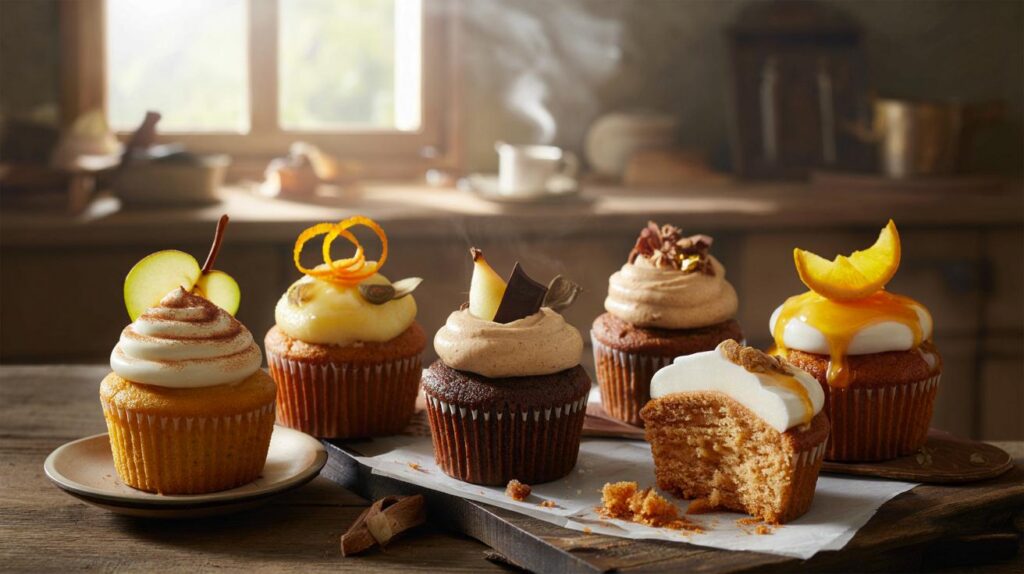
Colder evenings call for small comforts. Across British kitchens, home bakers chase tender crumb, warm spice and fruit that tastes like home.
Autumn’s glut of apples, pumpkins, pears and citrus gives cupcakes real purpose: quick bakes with bold flavour, modest cost and a texture you can sink into. We outline five comforting flavours, each built on simple methods, no specialist kit and toppings you can whip up with a spoon.
Why soft cupcakes are trending now
Shorter days push people towards quick wins. Cupcakes tick the box: 10–12 portions, ready in under half an hour of oven time, and flexible enough to suit family tastes. A few pantry basics—flour, sugar, eggs, butter—meet one star seasonal ingredient, and the result feels generous without fuss.
Moisture is everything: balance fat, sugar and liquid, mix briefly, bake hot, and stop as soon as the top springs back.
Five flavours, five simple methods
Apple and cinnamon
Start with tart apples. Dice, toss with lemon, then soften briefly in butter with a little brown sugar. Cream butter and sugar, beat in eggs, fold in flour, baking powder and milk, then stir through the warm fruit. Bake at 180°C until lightly golden. Slip a spoon of thick apple compôte into the centre before baking for a soft core, and finish with whipped cream cheese or a trickle of salted caramel.
Pumpkin spice
Whisk eggs and light brown sugar until pale, then add cool pumpkin purée and melted butter. Sift flour with baking powder, cinnamon, ginger, nutmeg and salt; fold in without overworking. Spoon into cases and bake at 180°C for 18–20 minutes. Top with quick mascarpone, icing sugar and vanilla, and scatter toasted pumpkin seeds and orange zest.
Pear and chocolate
Beat soft butter and caster sugar to a creamy base. Add eggs, then flour, ground almonds, baking powder and a pinch of salt. Fold in small pear cubes and dark chocolate chips. Bake at 175°C for about 22 minutes for a light crumb with juicy pockets. Store in an airtight tin and the texture stays pillowy for up to three days.
Chestnut and vanilla
Combine butter, caster sugar and vanilla sugar until fluffy, then mix in eggs, plain yoghurt and a blend of chestnut and plain flour with baking powder. Bake at 180°C for around 20 minutes. Swirl over a quick vanilla chantilly just before serving to echo the woodland warmth of chestnut.
Citrus and honey
Zest and juice one orange and one lemon. Whisk eggs with sugar, add melted butter, zest, juices and clear honey. Fold in flour, baking powder and salt. Bake at 170°C for about 18 minutes for soft cakes with a bright finish. After baking, brush with warm honey and a sprinkle of fresh zest; serve with orange compote or dice of candied lemon.
For a tender crumb, stop mixing as soon as the flour disappears. Overworking tightens gluten and dries the bake.
Time, temperature and texture at a glance
| Flavour | Star ingredient | Oven temperature | Bake time | Easy topping |
|---|---|---|---|---|
| Apple and cinnamon | Pan-softened tart apples | 180°C | ~20 minutes | Cream cheese or salted caramel |
| Pumpkin spice | Pumpkin purée | 180°C | 18–20 minutes | Mascarpone-vanilla with seeds |
| Pear and chocolate | Ripe pears, dark chips | 175°C | ~22 minutes | No topping, or light cocoa cream |
| Chestnut and vanilla | Chestnut flour | 180°C | ~20 minutes | Vanilla chantilly |
| Citrus and honey | Orange and lemon | 170°C | ~18 minutes | Warm honey glaze + zest |
Icing without kit
You can pipe without a nozzle. Spoon mascarpone, whipped cream or cream cheese into a small freezer bag, snip a tiny corner and swirl. A teaspoon works for rustic swoops, and a butter knife gives clean ridges.
- Keep dairy cold; it holds shape and pipes neatly.
- Sift icing sugar to avoid lumps and rough grain.
- Add crunch with toasted nuts, seeds or chocolate shavings.
- Brighten heavy flavours with citrus zest or a pinch of salt.
Cost, yield and planning
With basic pantry items and one seasonal fruit or purée, a batch of 10–12 cupcakes typically sits under £6 at major supermarkets, depending on brand choices and region. Butter and chocolate swing the price most; fruit and spice remain modest. You get café-style treats for 40–55p per piece, plus the benefit of warm, fresh texture.
Plan the oven session: two trays on the middle shelf bake evenly in a fan oven at the listed temperatures. Rotate once if your oven has a hot spot. Paper cases prevent sticking and help with portion control.
Smart swaps and dietary notes
Gluten and flour choices
Use a 1:1 gluten-free flour blend for the wheat portion. Chestnut flour adds flavour but lacks strong structure; pair it with plain or a blend that contains xanthan gum for lift.
Dairy and fats
Swap butter for a neutral vegetable oil in the pumpkin and citrus bakes for extra tenderness. For dairy-free icing, choose coconut cream whipped cold, or a smooth tofu-vanilla blend sweetened with icing sugar.
Sweetness
Honey and brown sugar give moisture and colour. If you reduce sugar, expect a paler crumb and slightly firmer bite; compensate with a touch more liquid, such as milk or fruit juice.
Allergens
Nut elements appear in the pear–almond variation and chestnut cakes. For nut-free kitchens, replace ground almonds with fine semolina or extra flour plus a spoon of yoghurt for softness.
Technique that pays off
Room-temperature ingredients beat together faster and trap more air, which translates into lift. Weigh ingredients; small errors tighten texture. Use large eggs in the UK; if yours are small, add a splash of milk to keep batter flowing.
Test doneness early: a gentle press should see the top spring back, and a skewer may show a faint crumb but no wet batter. Leave the tray on a rack for five minutes, then lift the cakes out to stop steam from sogging the cases.
Storage, freezing and next-day perks
Unfrosted cupcakes keep in an airtight tin for up to three days at cool room temperature. Frosted cakes store best in the fridge, loosely covered, for 48 hours; bring to room temperature before serving for a soft bite. Freeze unfrosted for up to two months; thaw in the tin to avoid condensation.
Want a café-fresh feel tomorrow? Warm unfrosted cupcakes at 140°C for 5 minutes, then glaze or ice while just cool.
Extra ideas to stretch the bakes
Turn leftovers into a pudding: halve the cupcakes, toast lightly, and sandwich with yoghurt and stewed fruit. For a party tray, bake the batter in mini cases and cut the time to 10–12 minutes; a drizzle beats piped swirls for speed.
Curious about consistency shifts? Swap 20 g of flour for cornflour in any vanilla-forward recipe to tenderise the crumb. For deeper flavour without extra sugar, brown the butter for the apple or pear cakes; cool fully before mixing to protect structure. These small moves nudge cost, timing and texture in your favour without complicating the bake.



The apple-and-cinnamon with a compote core sounds lush — the quick salted caramel trick is genius. Also, that rule to stop mixing as soon as the flour disappears is a game-changer; my cupcakes were often dense, now I know why. This is definitley going on my Sunday bake list, and I love that it stays under £6 for a full batch.
Are these really under £6 at major supermarkets right now? In Zone 2 London my butter and eggs alone blow past that — any reciepe tweaks, store brands, or swaps that keep the crumb soft without wrecking flavour?