
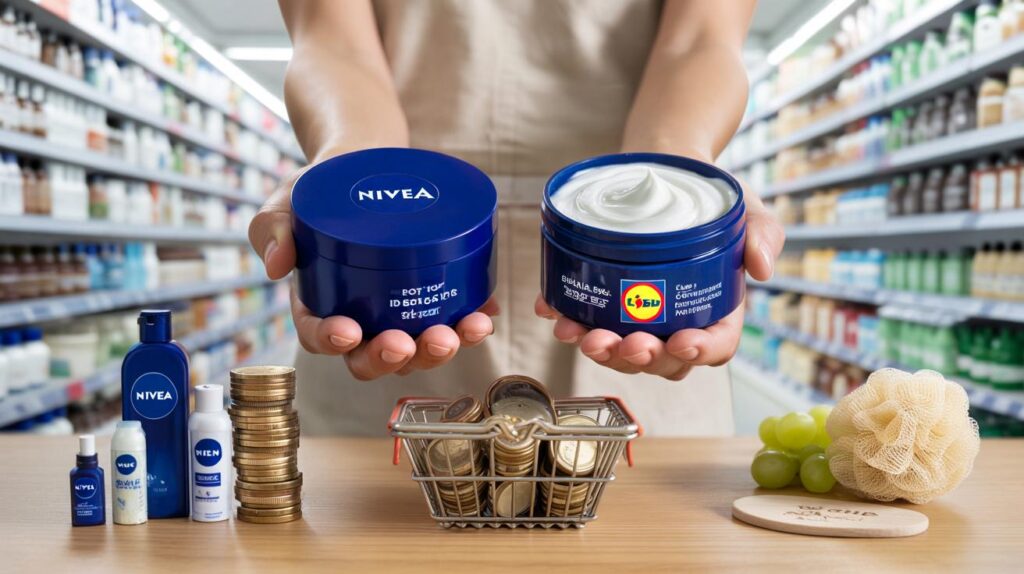
A familiar blue pot has long anchored bathroom shelves, yet a second blue rival is quietly tempting baskets across France.
With household budgets tightening, Lidl’s Cien Face and Body Cream now sits beside Nivea’s iconic blue tin in shoppers’ minds. The promise is simple: one jar, many uses, fewer bottles, and moisture that keeps pace with busy days.
What makes the classic blue Nivea tin endure
Nivea’s blue tin built its reputation on dependable, family-friendly performance. It works from face to body, then on to hands, cuticles and even flyaway hairs in a pinch. The texture emphasises comfort and protection, drawing on known workhorses such as Eucerit, glycerin and paraffin to lock in hydration and soften rough patches.
That familiarity matters. Generations recognise the rounded tin, the slip of the cream and a fragrance that signals clean, no-fuss care. It goes into school bags, desk drawers and glove compartments, ready for chapped cheeks, windburn, or a quick post-wash top-up.
One blue pot built on occlusive comfort: an everyday buffer that cushions skin and calms dryness fast.
Lidl’s Cien blue pot: the budget challenger in plain sight
Lidl positions Cien’s blue Face and Body Cream as a daily hydrator aimed at simplicity. The formula highlights grape seed oil and shea butter, both recognised for softening the skin’s surface and improving suppleness without a complicated routine. The brief is clear: a single product that moves neatly from face to hands and body.
For shoppers trying to trim spend and clutter, this pitch resonates. A jar that sits by the sink handles morning hands, mid-afternoon elbows and an evening sweep over shins or cheeks. The goal is flexibility rather than a step-loaded ritual.
One jar, many jobs: plant-oil comfort for people who want care that fits into real life.
Which blue pot suits your skin, habits and budget
Texture and finish
Nivea’s approach leans on classic emollients and occlusives. That can suit very dry areas by reducing water loss and creating a protective veil. Cien’s shea butter and grape seed oil skew towards a supple, emollient feel that aims for softness and glide. If your skin craves a stronger barrier on knuckles or cheeks in cold wind, the heritage route may appeal. If you prefer a plant-oil style finish for daily top-ups, the supermarket option earns a look.
Scent and sensorial feel
Fragrance often guides loyalty as much as performance. Nivea’s familiar scent is a comfort cue for many households. Cien tends to keep the feel approachable and everyday, aiming to slot in without fuss. If you react to perfume, patch-test any fragranced cream on the inner arm for 24 hours before using it on your face.
Use cases where a blue pot shines
- School bags and gym lockers: a quick fix for dry hands after frequent washing.
- Cuticles and elbows: targeted dabs on rough, snag-prone spots.
- Windy commutes and ski trips: a barrier layer on cheeks.
- Post-shave comfort: a thin film to reduce tightness.
- Travel kits: one jar for hands, heels and face when luggage space shrinks.
Budget reality: how to compare prices fairly
Look beyond the shelf tag. The fairest way to compare is by unit cost and your actual usage pattern. A higher price per jar can work out cheaper if the texture means you use less, but big jars often offer better value per 100 ml. Eliminate duplicates that do the same job only marginally differently.
| Product | Key emollients | Multi-use targets | Sensory profile | Price positioning |
|---|---|---|---|---|
| Nivea blue tin | Eucerit, glycerin, paraffin | Face, body, hands, cuticles, flyaways | Comforting, protective, classic scent | Heritage mass-market |
| Cien blue pot (Lidl) | Grape seed oil, shea butter | Face, body, hands | Softening, plant-oil feel, everyday use | Supermarket own-brand budget |
Many shoppers split the difference: Nivea for cocooning at home, Cien for the handbag and daily top-ups.
How to pick based on skin type and routine
Very dry or wind-exposed skin: seek a cream that keeps water in. The Nivea tin’s occlusive style can help build that shield on cheeks, knuckles and shins. If your skin sits on the oily or combination side, use thin layers or reserve any rich cream for dry zones only.
Normal to slightly dry skin: an emollient blend such as shea butter and grape seed oil, as in Cien’s pot, can smooth and soften without feeling heavy. Apply a fingertip amount to damp skin to boost slip and spread with less product.
Sensitive skin: fragrance and certain emollients can trigger redness. Patch-test on a small area, then step up gradually. Keep application away from blemish-prone zones if waxy occlusives tend to cause congestion for you.
Make a simple plan that saves money and space
Aim for fewer, harder-working steps. Use your regular cleanser, then choose one of the blue pots as the default moisturiser for hands and body. Keep a lightweight hydrator or serum for the face if you enjoy a thin, quick-absorbing layer under makeup, and layer the blue pot as a barrier in harsh weather.
- Morning: cleanse, apply serum if desired, then a thin film of your chosen blue pot on dry areas.
- Daytime: keep a travel jar for hands and cuticles after washing.
- Evening: massage into heels and elbows; add a richer layer on cheeks if you face cold air.
Smart ways to measure real savings without guesswork
Compare unit prices on shelf labels per 100 ml. Track how long a jar lasts in your household by jotting the opening date on the lid. If you replace three separate products (a face cream, a hand cream and a body lotion) with one multi-use jar, you reduce duplicate packaging and cut impulse top-ups. To pressure-test the numbers, set a four-week trial where you buy no overlapping items and note any gaps the single jar fails to cover.
If you want a quick calculation method, add up the monthly cost of your current face, body and hand moisturisers. Divide by the number of uses you actually get from them. Then compare to the cost and number of uses from one multi-use jar. The product that gives you the lowest cost per use for the same level of comfort wins your shelf space.
Extra care tips that stretch performance
Apply on slightly damp skin to boost hydration without extra product. For very rough patches, warm a pea-sized amount between fingertips before pressing it in. On hair, tiny amounts can tame flyaways, but avoid roots if your scalp gets oily. If you use exfoliating acids or retinoids, apply the blue pot last at night to seal in hydration and reduce irritation.
Families often share these jars. Keep a clean spatula or scoop to reduce contamination, especially if several hands dip in. Replace lids promptly and store away from direct heat to protect texture and fragrance over time.



Is that “save 30%” based on unit price per 100 ml, or on promo shelf tags? The comparision matters because I use less of thicker creams.
Blue pot diplomacy at home: Nivea lives on the nightstand, Cien rides in the backpack. Honestly, for post-wash hands and random elbows, the Lidl one does the job. The classic tin still wins on cozy scent, but my budget likes the supermarket lane. Not fancy, just works.