
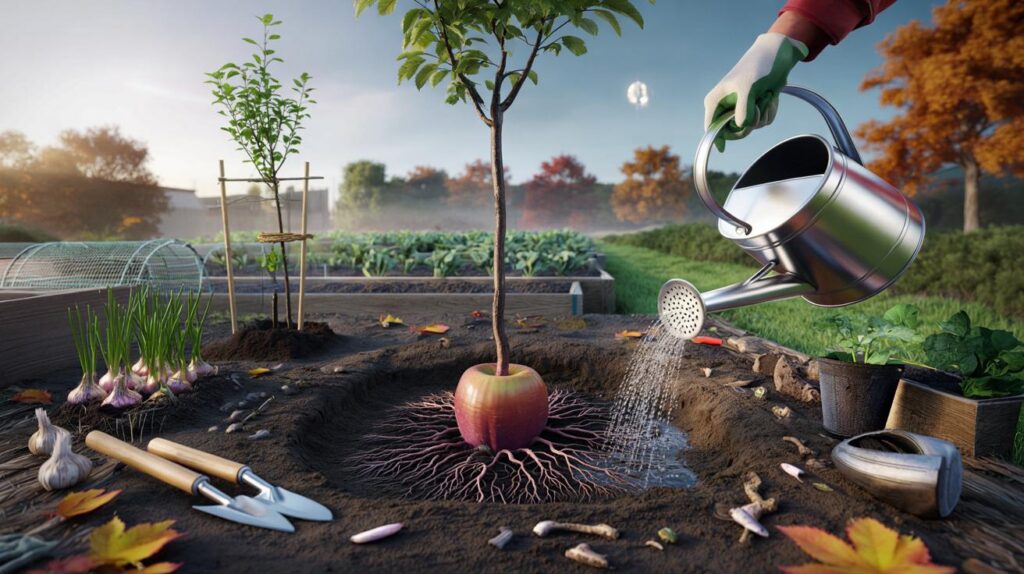
A quiet fortnight returns this autumn, whispered about on allotments, when ordinary beds surge, roots grip, and next year’s harvest begins.
This is the short spell many growers swear by, when the moon’s slow descent lines up with warm soil and cool air. The result, they say, is stronger roots, faster recovery and fewer failures, from roses to raspberries and salad plugs.
What the descending moon actually changes
The descending moon is the period when the moon’s daily arc drops lower in the sky. Garden tradition holds that sap behaviour mirrors this drawdown. Growers use it to prioritise root work, such as planting, transplanting and taking cuttings. The focus shifts below ground, not on leaves or flowers.
Between 12 and 26 October 2025, the descending moon overlaps with classic autumn conditions: damp soil, falling air temperatures and residual warmth in the ground.
Roots draw down and recovery quickens
Plant roots expand when soil stays moist and mild. Shorter days reduce plant stress above ground, so new transplants settle with less shock. Many gardeners report fewer failed takes and cleaner regrowth in spring when they schedule these jobs now.
Scientists still debate lunar gardening. The practical edge likely comes from timing, not magic. October offers even moisture, fewer scorching days and a natural pause in top growth. Put roots first and plants respond.
Why October’s 14-day window matters in 2025
By mid-October, soil has stored summer heat. In much of the UK, topsoil at 5–10 cm often sits near 7–10°C, warm enough for root activity. Nights cool, which slows transpiration. Rain returns, which helps freshly planted stock knit into their new home.
That is why growers circle 12–26 October. It gives you time to prepare beds, plant when the ground is workable, and water in thoroughly before early frosts. It also dodges the November rush and the risk of persistent waterlogging.
What to plant, cut and prune between 12 and 26 October
- Bare-root fruit trees and bushes: apples, pears, plums, currants and gooseberries.
- Perennial and shrub cuttings: roses, lavender, rosemary, hydrangea and many soft fruit canes.
- Autumn-winter veg: garlic, onion sets, overwintering lettuces, spring cabbage and broad beans in milder areas.
- Transplants: strawberries, hardy herbs and potted ornamentals that you want established before winter.
- Pruning: light structural cuts on hedges, roses and trained fruit to tidy, remove diseased wood and reduce wind rock.
Bare-root trees and bushes
Bare-root season starts as leaves fall. Order early and heel in arrivals if planting must wait. Dig a square hole wider than the roots. Roughen the sides so roots can penetrate. Set the tree at nursery depth, spread roots like spokes, and backfill with the existing soil. Water with 10–15 litres. Stake low and flexible on windy plots.
Cuttings that strike cleanly
Take pencil-thick hardwood cuttings from currants and roses. Use a sharp, disinfected blade. Cut just below a node at the base and just above a node at the top. Push two-thirds of the length into a gritty, well-drained bed or a pot of sand and compost. Label and keep evenly moist. Many will root by spring.
Pruning for calmer plants
Remove rubbing, crossing and diseased wood now. Keep cuts neat, angled and close to the collar. A tidy framework reduces wind damage and helps plants channel energy to roots before winter. Avoid hard pruning tender species before severe cold.
Soil, water and mulch: small moves with big pay-offs
Great planting starts under your boots. Structure beats fertiliser at this time of year. Aim for crumbly, well-aerated earth that holds moisture yet drains freely.
| Task | When | Why it matters | Time needed |
|---|---|---|---|
| Open the soil | Day 1–3 of the window | Air spaces let roots and water move; reduces compaction | 10 minutes per square metre |
| Water in | Immediately after planting | Settles soil around roots; removes air pockets | 10–15 litres per shrub or tree |
| Mulch | Within 24 hours | Holds moisture; buffers temperature swings; suppresses weeds | 5 minutes per plant |
| Check stability | After first windy night | Prevents wind rock that breaks new root hairs | 2 minutes per plant |
Keep a soil thermometer handy. Plant when the top 5 cm reads at least 7–10°C and the ground is not waterlogged.
Pitfalls that undo the fortnight’s gains
- Planting into saturated ground that smears and excludes air.
- Leaving roots exposed to wind and sun while you prepare the hole.
- Setting trees too deep and burying the graft union.
- Skipping the initial soak, which leaves air gaps around roots.
- Overfeeding with high-nitrogen fertiliser that pushes soft, frost-tender growth.
- Using blunt secateurs that crush tissue and invite disease.
- Ignoring a sharp frost in the forecast and failing to fleece tender crops.
Allotments, balconies and small plots all gain
In an allotment, the window suits larger moves: hedging whips, fruit trees and the last wave of autumn veg. In tiny gardens, focus on long-lived shrubs, strawberries and herbs that will anchor next year’s display. On balconies, work with containers that drain freely and mulch with fine bark or leaves to steady moisture.
Dwarf fruit trees in pots appreciate the same timing. Use a free-draining mix, water until it runs from the base, and raise pots on feet to avoid winter waterlogging. Wrap containers in hessian if your spot faces biting wind.
Weather watch and risk control
Success in this fortnight depends on reading the weather. Pick a dry spell to dig and plant. Delay if heavy rain is due. Water deeply once rather than little and often. Add a windbreak for new trees on exposed sites. Net brassicas against pigeons as soon as you plant them. Lay slug traps the same evening you water in.
Plan ahead and build your rhythm
Block out 12–26 October in your diary. Book deliveries early. Sharpen secateurs a week before. Set reminders to water in and to mulch the next day. Keep notes on what you plant and how it performs in spring so you can compare years.
Mark future descending-moon periods across the year. Use them for root jobs, transplanting and maintenance. Treat the lunar phase as a planning tool that dovetails with soil temperature, rainfall and the reality of your schedule.
Extra pointers that lift results
Run a quick soil test before you start. Squeeze a handful; it should hold shape but break with a poke. If it smears, wait a day. If it crumbles to dust, water the area the evening before you plant. Add mycorrhizal fungi to tree roots if you have hungry, sandy ground. Space veg generously now to reduce disease pressure in damp months.
If you are new to cuttings, start with five of two species rather than twenty of one. Label them, vary depth slightly and note which method works. If frost threatens, cover new plantings with a light mulch and, for tender veg, a breathable fleece. You gain insurance without smothering young growth.
The window is short, the gains accumulate: plant once, root well, and you reclaim weeks of growth next spring.
The descending moon remains a tradition, yet the calendar logic is sound. Use this fortnight to focus on roots, to organise tasks, and to stack the conditions in your favour. Your beds, borders and young trees will repay the effort when light returns and growth surges from below.



I’m not convinced the descnding moon has much to do with it—seems like classic October moisture + temps are doing the heavy lift. Any actual A/B trials?
Booked the 12–26 Oct window in my calender already—garlic, currants and a couple of bare-root apples ready to go. Thanks for the clear, step-by-step tips! 🙂