
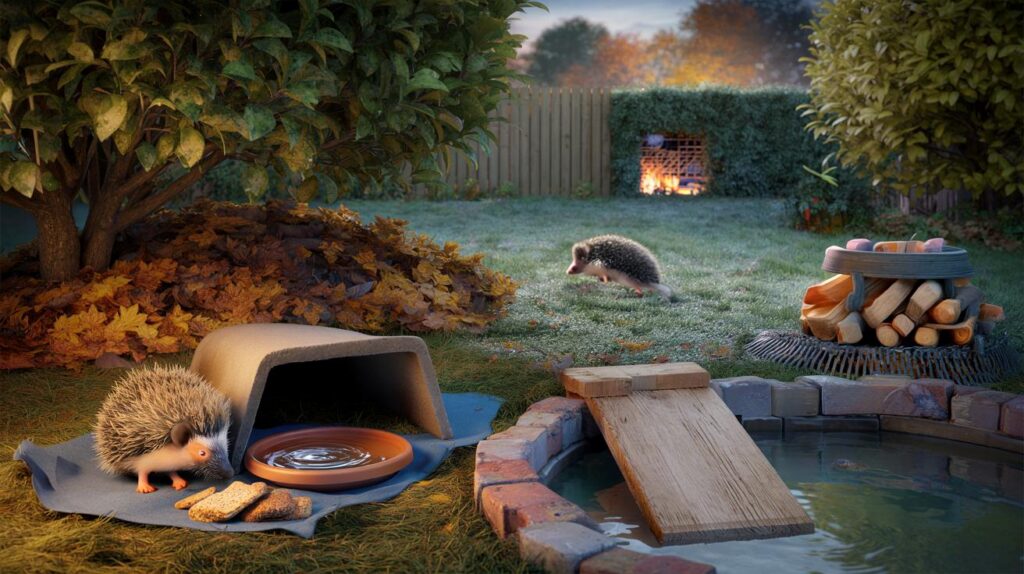
Cold nights draw near and spiky neighbours stir. Gardens now decide who sleeps safely and who slips through winter at all.
Across towns and suburbs, hedgehogs are on the move. As insects dwindle and frost bites, they search for dry, quiet corners to hunker down. The margin for error is thin, and small changes in your garden can tip the balance between survival and loss.
Why hedgehogs turn to people’s gardens now
Autumn squeezes food supplies. Beetles and worms slow. Damp weather chills smaller mammals fast. Hedgehogs respond by building a dense winter nest and shutting down into hibernation.
Many now live in fragmented habitats. Fences block safe routes. Decking replaces hedges. Paved beds leave little cover. Urban gardens have become crucial refuges because they hold insects, water and shelter in a small footprint.
Juveniles face the biggest risk. Late litters may not carry enough fat to survive a cold snap. A dry, insulated hide and steady access to water can lift their chances sharply.
One tidy corner can kill the buffet. One messy corner can save a life. Autumn gardens decide outcomes.
Five ten-minute fixes you can do tonight
- Leave a knee-high leaf pile in a sheltered corner. Top it up after windy days to keep insulation dry.
- Check bonfire stacks just before lighting. Move the whole pile to fresh ground to avoid hidden sleepers.
- Cut a 13 cm x 13 cm hole at the base of a fence to form a hedgehog “highway”. Mark it so neighbours can copy.
- Fit escape routes. Place a rough plank or bricks as a ramp in ponds and pools. Cover drains and open pits.
- Set out a shallow bowl of fresh water and a small handful of meaty cat biscuits at dusk. Remove leftovers at dawn.
No milk. No bread. No slug pellets. Water and protein help. Dairy and poisons harm.
Build a simple winter hide
You can make a durable shelter from scrap timber. Use untreated wood and keep the floor off wet ground with bricks. Size a chamber roughly 30–40 cm wide and deep, with a short entrance tunnel about 12–13 cm square.
Face the entrance away from prevailing wind. Tuck the box under dense shrubs or a hedge line. Pack dry leaves inside. Add a lid you can lift in late spring for a quick clean. Do not disturb it in winter.
If you prefer a natural option, stack twigs, old prunings and dry leaves into a dome. Seal draughts with more leaves and a light layer of turf. Keep it out of flood-prone spots.
Cut the risks lurking in tidy gardens
Many hazards sit at ankle height. Quick changes reduce harm without spoiling the look of a smart plot.
| Feature | Risk to hedgehogs | Quick fix |
|---|---|---|
| Strimmers and mowers | Nest and limb injuries in long grass and borders | Check piles and edges by hand before cutting; raise cutting height |
| Loose netting | Entanglement around spines and limbs | Lift nets to 30 cm, use rigid mesh, tidy surplus |
| Open drains and steep ponds | Drowning and hypothermia | Fit ramps, floats or bricks; cover gully pots |
| Slug pellets and weedkillers | Poisoning via bait or prey | Use barriers, beer traps with covers, hand-pick slugs at dusk |
| Plastic rings and litter | Strangulation and injury | Cut rings, box sharp cans, bin securely |
Feeding to help, not harm
Hedgehogs are insectivores. In a healthy plot they forage for beetles, caterpillars and worms. Winter prep needs steady protein and water. If forage runs low or a youngster looks lean, offer a small evening portion of meaty cat or dog food, or a hedgehog biscuit blend.
Avoid fish-flavoured foods. Skip mealworms and peanuts as regular feed because they can unbalance calcium. Serve in a low-sided dish under a box with a hedgehog-sized entrance to deter cats. Refresh with clean water daily.
Keep feeding areas clean. Wipe dishes, lift uneaten food at first light, and move the station occasionally to reduce rats and disease build-up.
What to do if you see a hedgehog in daylight
Daytime activity often signals trouble. Gently place the animal in a ventilated box with a towel. Offer water in a shallow lid. Do not give milk. If the animal looks very small, cold or wobbly, warm half the box with a covered hot-water bottle.
Weighing helps. Wildlife carers often use about 600 g as a rough safe weight for hibernation. Juveniles under that mark in late autumn may need support. If you can, note the weight and contact a local rescue service for guidance.
Where to place shelters and highways
Pick quiet, shaded locations with drainage. Avoid wind tunnels between buildings. Do not set a hide on a slope that channels rain. Link your garden to two neighbours for better foraging loops. A short chain of 10 connected gardens can unlock hundreds of metres of safe territory.
Planting and maintenance that work all year
Plant mixed hedges with hawthorn, hazel and dog rose. These create cover, nesting sites and autumn fruit. Swap some lawn for a mini meadow strip and cut it on a late-summer cycle. Leave small brush piles in back corners to feed beetles.
Night-time matters. Set outside lights on motion sensors and short timers. Constant glare can push wildlife out. Keep a dark corridor along one boundary.
Coordinate with neighbours. One fence hole per plot forms a network. Share where your ramps and hides sit so the whole street functions as a corridor.
Extra tips that raise the odds
- Rake gently. Hedgehogs nest under leaves. Use a hand fork in dense beds before turning compost.
- Delay a big tidy. Leave some fallen leaves on borders through winter to protect soil life.
- Water smart. A shallow dish at ground level helps during dry cold spells when natural water freezes.
- Record visitors with a cheap trail camera or a footprint tunnel. Adjust feeding and cover based on what you see.
Beyond survival: what you gain when hedgehogs stay
Hedgehogs can trim slug and beetle numbers without chemicals. Leaf piles enrich soil life and reduce irrigation. Fewer chemicals lower costs and protect pets. The garden keeps more texture and movement across the year.
If you want to go further, map your street and mark potential “highway” spots at fence bases. A simple plan with 20 holes spread over two blocks can open several gardens per hedgehog. Add two hides per plot on dry ground and share maintenance dates so nests remain undisturbed during the coldest weeks.
Weather swings now arrive fast. A single weekend of action can shift outcomes for the animals already under your shrubs. Five short tasks, a bowl of water and a hole in a fence add up to real refuge when the first hard frost lands.



Just did the fence “highway” — 13×13 cm, marked it so next-door can copy. Also added a plank ramp to the pond and a knee-high leaf pile tonite. Took 25 minutes total. Love the clear, do-able steps.
Bold headline. “save 7 in 10 this week” — is that modeled or based on field rescues? Can you link the data/souces behind those numbers and the 600 g guideline? Would help me persuade skeptical neighbors and our management.