
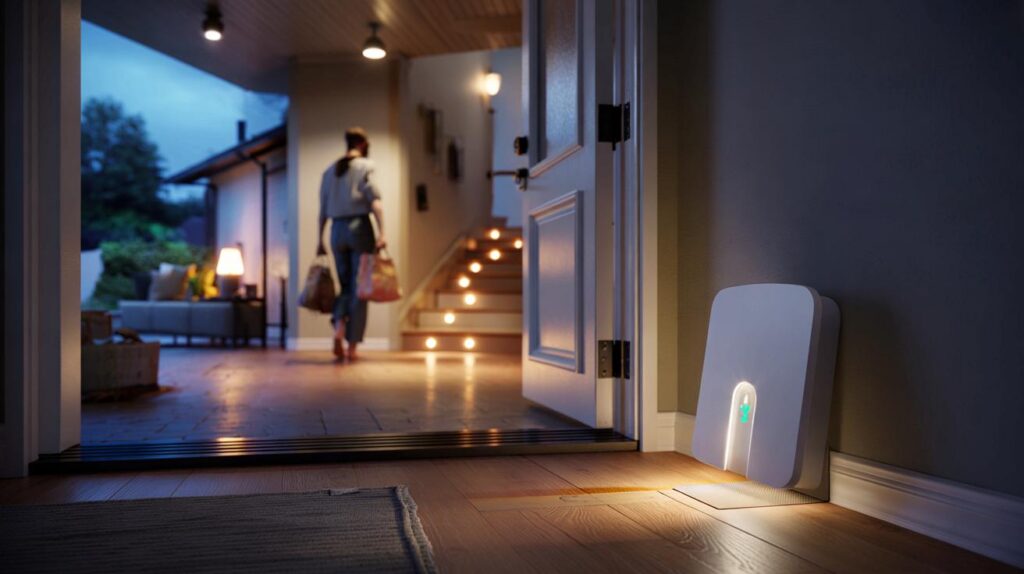
A pint-sized sensor promises fewer stumbles and calmer bedtimes, quietly automating lights where you most need a gentle glow.
IKEA’s VALLHORN motion sensor arrives at just £7, aiming to make busy homes feel safer and more convenient. It switches paired lights on when it detects movement, cutting through the dark in hallways, stairwells and porches. The idea is simple: let the lights meet you first, not the other way round.
What you get for £7
This compact, wireless sensor pairs with compatible IKEA lights and can trigger up to 10 of them at once. It offers a day or night mode, and you can choose how long the lights stay on: one minute or five minutes. It works indoors and outdoors, so it suits front doors, garages and dim corridors alike.
For renters and time-poor households, the headline is simple: stick it on, pair it, and forget about switches.
Mounting is straightforward. There is no drilling. The unit ships with double‑sided tape for quick placement on walls, shelves or skirting. Power comes from two AAA rechargeable batteries, which are not included. When they run low, you swap them out and charge them at your convenience. The matte shell looks discreet, so it blends into corners without drawing attention.
- Price: £7 for the VALLHORN wireless motion sensor
- Connections: triggers up to 10 lights at once
- Modes: day mode and night mode
- Timer options: 1 minute or 5 minutes
- Placement: indoor and outdoor use
- Power: 2x AAA rechargeable batteries (not included)
- Mounting: adhesive tape included; no wiring
- Ecosystem: works best with DIRIGERA hub and IKEA Home smart app
How it helps in real homes
Hallways and stairs
Dark landings turn treacherous when your hands are full. Position the sensor at the top of the stairs or near the skirting at ankle height. When it senses movement, the lights respond before your foot finds the next step. Late arrivals can navigate quietly, and little ones gain a reassuring glow at bedtime.
Nurseries and night feeds
A sudden overhead glare wakes everyone. With the timer set to one minute and night mode enabled, a soft light can appear just long enough to settle a baby or fetch a dummy, then fade without fuss. No switch-hunting, no rustling, less disruption.
Front doors and porches
Coming home with bags is smoother when the porch light springs to life. Because the sensor also works outside, you can place it near the entrance to bring up path or doorway lighting as you approach the door.
Up to 10 connected lights can create a guiding path from hallway to living room, reducing shadows and missed steps.
Set-up in minutes
The appeal lies in simplicity. You can start with the sensor and a few compatible lamps, then grow the setup later. The steps are brief and tidy.
Smarter when used with Ikea’s ecosystem
VALLHORN works on its own, but pairing it with the DIRIGERA hub and the IKEA Home smart app adds nuance. You can link the hallway trigger to a gentle lamp scene in the sitting room. That creates a “welcome home” glow that leads children inside on rainy afternoons. You can tailor times of day, brightness, and which lamps respond first. The automation feels coordinated rather than abrupt.
Where to put the sensor for the best results
Placement shapes performance. Aim the sensor towards the movement you want to catch and away from windows where cars or branches might set it off. Corners near door frames work well. For stairs, align it with the first or second step you usually take. Outdoors, place it under a small overhang where rain and direct glare are reduced.
| Setting | What it does | When to use it |
|---|---|---|
| Day mode | Triggers lights regardless of ambient light | Shaded halls, internal rooms, windowless spaces |
| Night mode | Prefers darker conditions before switching lights | Bedrooms, nurseries, late‑evening arrivals |
| 1‑minute timer | Short burst of light | Quick passes, night checks, stairs |
| 5‑minute timer | Longer illumination | Unload groceries, settle kids, put laundry away |
| Up to 10 lights | Triggers multiple lamps at once | Create a pathway from door to lounge |
| 2x AAA rechargeable | Replace and recharge when needed | Low‑maintenance upkeep with spare batteries |
Why families will notice the difference
Light where you need it makes evenings smoother. Partners sleep through night feeds. Children gain confidence with softly lit corridors. Shoes, toys and bags become less of a hazard when the lights anticipate your steps. At this price, the barrier to trying motion‑based lighting is low, and you can add more sensors later to widen the effect.
Things to keep in mind
As with any motion sensor, placement matters more than power. Too high or angled at a blank area, and you might miss the moment you pass. Close to windows or facing a busy street, and you may get unnecessary triggers. Surfaces need to be clean for the adhesive to hold. If you have pets, angle the sensor higher to reduce activations at floor level.
Battery life varies with activity levels and temperature. Keeping spare AAA rechargeables to hand avoids downtime. The sensor’s minimal design helps it fade into the background, yet it still needs a clear line of sight to the area you walk through.
Practical ideas to get started
- Create a two‑room path: hall ceiling light plus a low table lamp in the lounge for a softer transition.
- Set night mode with a 1‑minute timer in the nursery to reduce sleep disruption during checks.
- Place a sensor by the back door, linking it to kitchen plinth lights for a gentle late‑night route to water.
- Use the 5‑minute timer near the utility room so laundry runs don’t leave you in the dark mid‑fold.
Extra context for readers planning a smart upgrade
If you are starting a smart home gradually, a motion sensor is a sensible first step. It delivers a clear benefit without rewiring or learning complex routines. From there, adding a hub lets you layer scenes and schedules. You could, for instance, dim living room lamps in the evening, then hand the baton to the hallway sensor when you head upstairs.
For households balancing energy costs, automated lighting can help reduce waste. Lights do not linger after you have moved on, especially with the 1‑minute option. Combine that with efficient bulbs and thoughtful placement, and you build a tidier, calmer lighting pattern that suits real life rather than a rigid switch on the wall.



£7 and no drilling? Count me in! Sticking one near the stairs tonight. 😊
How long do the AAA rechargeables actually last in winter? My hallway is busy and cold; I definitley don’t want to be swapping batts every week.