
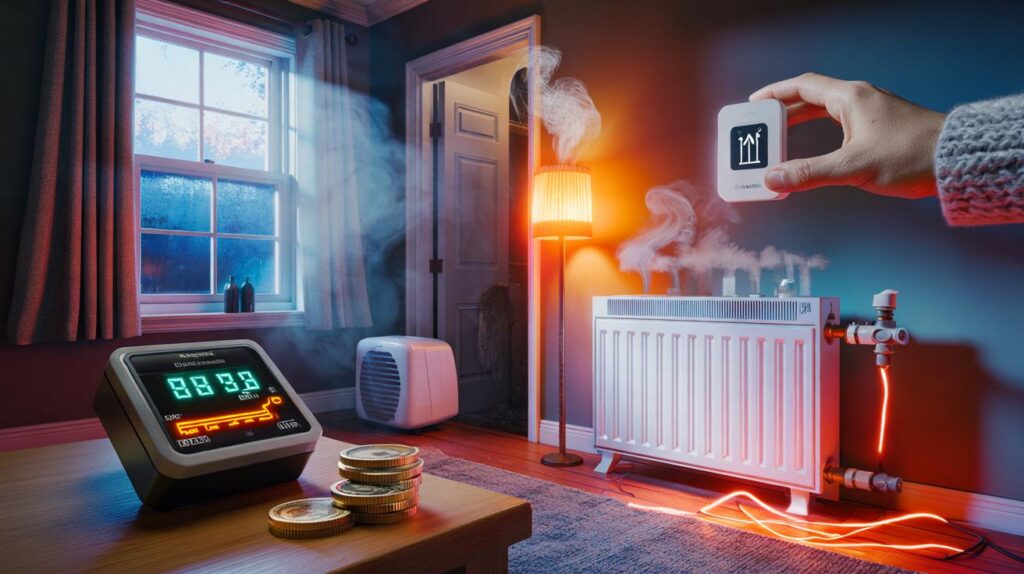
A chill is creeping back into homes. Radiators are rattling awake. Bank balances feel brittle. People need clear heating rules now.
As autumn bites and the cost of energy ticks up, Martin Lewis has cut through the noise. His guidance tackles the question millions ask each year: keep the heating on low all day, or run it only when needed? The answer depends on how your home holds heat, how damp it gets, and how you control your boiler.
What martin lewis actually says
Lewis’s core message is simple. Heat your home when you need heat. Do not run a boiler constantly just to keep pipes lukewarm. Use a timer and a room thermostat so the system cycles on and off to meet your chosen temperature. That is how central heating controls are designed to work.
For most households, timed heating guided by a thermostat is more efficient than leaving it on low all day.
He also flags one exception. Some homes suffer with moisture. When heating stops entirely, walls cool, moisture condenses inside fabric, and heat later escapes faster. In those damp‑prone properties, a steadier background warmth can sometimes prevent condensation and reduce losses.
If your home is prone to condensation, gentle background heat may help stability and comfort, especially in cold snaps.
Why this debate is flaring now
Bills remain high. The typical dual‑fuel household is currently guided to £1,720 a year under the price cap. From 1 October to 31 December, that figure rises by around two percent to £1,755. Every wasted kilowatt-hour matters as nights lengthen and heating hours rise.
People are also firing up systems for the first time in months. That is when habits form. Some will nudge the thermostat way up, thinking it heats rooms faster. It does not. Others will block radiators with sofas. Heat will stall behind fabric. Small mistakes compound costs through winter.
Low all day vs heat when needed
There is no one-size-fits-all rule. Your choice should follow your home’s insulation, ventilation, and moisture load, plus your daily routine.
| Approach | Pros | Cons | Best for |
|---|---|---|---|
| Leave on low all day | Steady temperatures; helps reduce condensation in damp homes; fewer cold starts | Higher background consumption; risk of heating empty rooms; easy to forget and overspend | Damp‑prone or poorly ventilated properties; occupants at home all day |
| Heat when needed with timer + thermostat | Lower energy use; temperature on demand; fits most routines | Rooms cool between cycles; may need pre‑heat before occupancy | Most homes with reasonable insulation and controllable rooms |
How to set controls the smart way
Use programmer schedules that match your life. Pre‑heat for 20–45 minutes before you wake or return. Let the thermostat cap the peak temperature. Thermostatic radiator valves can trim unused rooms. Shut doors to contain heat. Ventilate briefly and sharply to clear moisture without chilling walls for hours.
Mistakes costing people money
- Cranking the thermostat to the max. It will not heat faster; it just overshoots and wastes gas.
- Blocking radiators with furniture, curtains or covers. Heat stays trapped and the boiler runs longer.
- Ignoring boiler flow temperature. Many condensing boilers save fuel if the flow is set near 55–60°C for heating.
- Heating empty rooms. Turn down TRVs in spare rooms and close the door.
- Letting humidity build. Moist air feels colder and encourages mould; ventilate after showers and cooking.
What to do in a damp or hard‑to‑heat home
If you fight condensation, you need a balance of warmth and airflow. Gentle background heating can keep surfaces above dew point. Use extract fans in kitchens and bathrooms. Dry clothes outside the living space where possible. A small dehumidifier can help in bedrooms or north‑facing rooms. If you try a low‑and‑steady approach, confine it to the worst rooms via TRVs rather than the whole house.
Suggested schedules for common situations
Well‑insulated flat, out 9–5
Timer on: 06:15–07:30 and 17:00–21:30. Thermostat: 19–20°C in living area. Bedrooms: 17–18°C. Flow temperature: 55–60°C for radiators. TRVs low in unused rooms. Quick evening ventilation to manage moisture from cooking.
Older terrace with draughts
Short pre‑heat before wake‑up and return. Keep living room TRV higher than hallway to avoid the hall stat shutting the system early. Address gaps around doors and floorboards. Use thick curtains at dusk. Consider a modest background setting in the most humid room if condensation appears overnight.
Home worker in a single room
Heat the workspace with door closed. Turn down radiators elsewhere during the day. Use a 10–15 minute pre‑heat before shifts and a shorter evening top‑up. Keep the thermostat near where you sit, not in a warmer hallway.
How to cut the cost without feeling cold
Small changes stack up through winter. A one‑degree reduction at the room thermostat can trim heating demand noticeably, especially over long run times. A lower boiler flow temperature helps condensing boilers reclaim more heat from flue gases. Bleed radiators at the start of the season so panels heat evenly. Balance the system if some rooms lag behind.
A quick rule‑of‑thumb for your choice
Ask three questions.
- Do you see condensation on windows or cold exterior walls most mornings?
- Is your home occupied all day, or only at set times?
- Do you control rooms individually with TRVs?
If moisture is common and occupancy is high, a modest, steady background may suit one or two rooms. If occupancy is predictable and insulation fair, timed heating wins on cost and comfort. Mix approaches if needed: background warmth only in problem rooms, timed everywhere else.
Money angles people miss
That £1,755 cap reflects typical use, not a hard ceiling. Your bill moves with your actual units. Each wasted hour of background heat feeds the meter. Each well‑timed pre‑heat saves it. If you want a quick personal test, try a week on timed heating with 19°C, then a week on low‑and‑steady with tighter TRVs. Note gas readings daily and compare comfort. Choose the cheaper, comfortable setup for your home.
Extra tips before the coldest months
Service the boiler or at least check pressure and visible leaks. Fit draught excluders on letterboxes and under doors. Move big furniture a few inches off outside walls to reduce cold spots and mould risk. Use radiator reflector foil behind panels on uninsulated external walls. If you rely on electric heaters in one room, avoid running them alongside full‑house central heating.
The takeaway for households
Most people save by heating when needed with a timer and thermostat, not by leaving systems idling all day. In damp‑prone homes, a small background warmth can help, but keep it targeted and measured. Set controls to your life, watch humidity, and let the numbers from your meter guide the final call this winter.



Isn’t “low all day” basically paying to heat empty rooms? Unless you’ve got real condensation issues, isn’t timed heating almost always cheaper? Genuinly curious about the edge cases and how to measure them.