
Kitchen habits split households and nations. Tradition meets science at the breakfast table, where a simple decision can save money and prevent waste.
Britain’s favourite baker has stepped into a decades-long domestic stand-off, siding with the colder camp. Her guidance tallies with food hygiene specialists, and it comes with clear steps you can follow today, whether you keep a carton on the worktop or reach for the middle shelf of your fridge.
Why the fridge wins
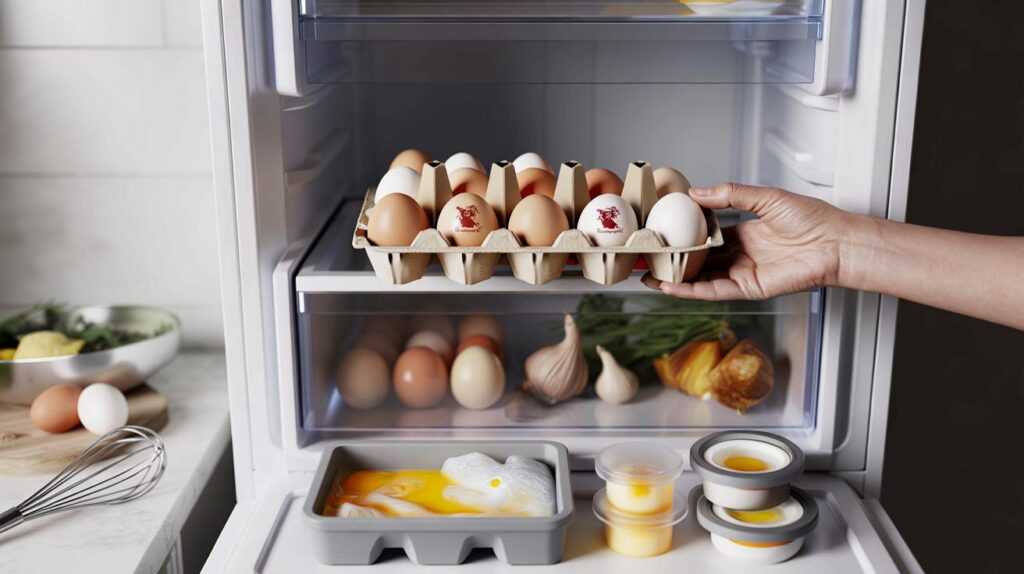
Mary Berry recommends storing eggs in their original box inside the refrigerator, away from strong-smelling foods. She also advises keeping the pointed end down so the yolk stays centred. That simple switch helps eggs hold quality for longer and reduces the margin for kitchen mishaps.
Keep eggs boxed and chilled at about 4°C, on a central shelf, not in the door.
Temperature stability matters. Every time the fridge door swings open, warm air hits the door racks first. That fluctuation is exactly what eggs dislike. It encourages condensation on shells, which in turn can help bacteria move through the pores. Food safety trainers echo the advice: place eggs on a stable middle shelf and leave them there until needed.
Refrigeration also slows natural ageing. At cooler temperatures, the white stays firmer, the yolk sits proudly, and odours are less likely to seep through the shell. The result is better poached eggs, neater baking, and fewer wasted breakfasts.
The science behind temperature swings
Eggshells are porous. A warm-to-cold cycle can draw moisture onto the shell surface. If the shell then warms again, that moisture can carry contaminants inwards. The risk rises when eggs sit in a door rack, where temperatures yo-yo with each opening.
Stable cold slows spoilage; repeated warmth and chill speed it up.
In the United States, egg washing and cold-chain rules make refrigeration non-negotiable from farm to home. In the UK, eggs reach shops at ambient temperature, but food safety guidance still points to home refrigeration as the best way to maintain freshness once you buy them.
Counter versus fridge versus freezer
Different goals call for different storage. Here is a quick guide to help you choose.
| Storage | Temperature | Typical lifespan | Best for | Watch-outs |
|---|---|---|---|---|
| Counter (room temp) | 18–22°C | Short term use | Same-day cooking | Faster ageing, odour transfer, condensation risk after chilling |
| Fridge (central shelf) | ≈4°C | Extended freshness up to the use-by date | Everyday cooking and baking | Avoid the door; keep eggs in their box |
| Freezer (prepared eggs) | −18°C | Up to 6 months (use by 4 months for best quality) | Batch cooking, reducing waste | Do not freeze eggs in shells; label and portion |
Freezing eggs without faff
Mary Berry says you can freeze raw eggs very successfully, as long as you prep them properly. Whole eggs in their shells are off the table, but there’s a simple workaround that preserves texture and taste.
- Whole eggs: crack, whisk lightly to just combine, then portion. Add a pinch of salt for savoury dishes or a little sugar for puddings.
- Yolks: whisk with a tiny amount of salt or sugar to reduce gelling. Label “sweet” or “savoury”.
- Whites: freeze as they are. They whip well once thawed.
- Thawing: defrost at room temperature in a covered container. Use promptly once thawed.
- Dishes: quiches, custards and mousses freeze well. Bake from fresh, then cool and freeze to keep texture.
Crack, combine, label, freeze. Aim to use within four months for peak results.
Smart shopping and what labels tell you
Look for the Red Lion mark on British hen eggs. It signals robust safety standards and traceability. Farming terms matter as well. Organic and free-range options reflect higher welfare and often deliver richer flavour.
Check the date on every box and inspect shells. Avoid cracks. A hairline fracture invites contamination and shortens storage life, even in a cold fridge.
Why pungent foods ruin a good egg
Eggshells let odours pass. Strong cheeses, fish, onions and garlic can lend their scent to your breakfast if eggs sit nearby unboxed. Keep eggs in the carton to limit aroma transfer and to protect shells from knocks.
A closed carton blocks odours, shields shells, and keeps date information front and centre.
Britain versus America: the practice behind the preference
The British habit of keeping eggs on the counter stems from how eggs are handled after laying. In the UK, producers do not rely on intensive washing. The natural cuticle remains, adding a barrier to the shell. Even so, once eggs enter your home, cold storage offers a clear advantage for quality and consistency.
In the US, commercial washing removes that protective layer. Refrigeration then becomes part of the safety system from packing plant to plate. Mary Berry’s guidance effectively aligns British home kitchens with that colder chain, without losing the flavour or flexibility cooks want.
Seven quick rules for better eggs
- Store at about 4°C on a central fridge shelf, not in the door.
- Leave eggs in their original box to reduce odours and breakages.
- Place pointed end down so the yolk stays centred.
- Avoid temperature swings; move eggs straight from shop to fridge.
- Use by the date on the box; rotate older eggs to the front.
- Freeze cracked-but-fresh eggs after prepping; never freeze in the shell.
- Bring eggs to room temperature just before baking for better aeration.
What experts warn about the fridge door
Food hygiene trainers flag the door rack as a weak spot. Each opening warms the door first and cools it last. That cycle encourages condensation and speeds up deterioration. If you have always stored eggs in the door, shift them to the middle shelf and note the difference in how they poach and fry over the next fortnight.
If you still prefer the counter
Some cooks like room-temperature eggs for meringues and sponges. You can get the best of both worlds. Keep eggs chilled for storage, then remove only what you need 30 minutes before mixing. That approach keeps freshness high and delivers the lift your bake needs.
Extra tips that save money and reduce waste
Plan a weekly egg cycle. Use older eggs for hard-boiling, where a slightly larger air pocket makes peeling easier. Reserve the freshest eggs for poaching. Batch-freeze whites from recipes that use extra yolks; four frozen whites equal one generous pavlova once whipped.
Think about smell management. If your fridge carries aromas from last night’s curry, double up protection by keeping eggs boxed and tucking the carton into a lidded container. Small steps like these preserve flavour and stretch the value of every dozen you buy.



4°C, box on, door off. Copy.
Moving eggs off the fridge door TODAY 🙂 Thanks, Mary! If my poached eggs stop looking like ghost clouds, I owe you a scone. 😀