
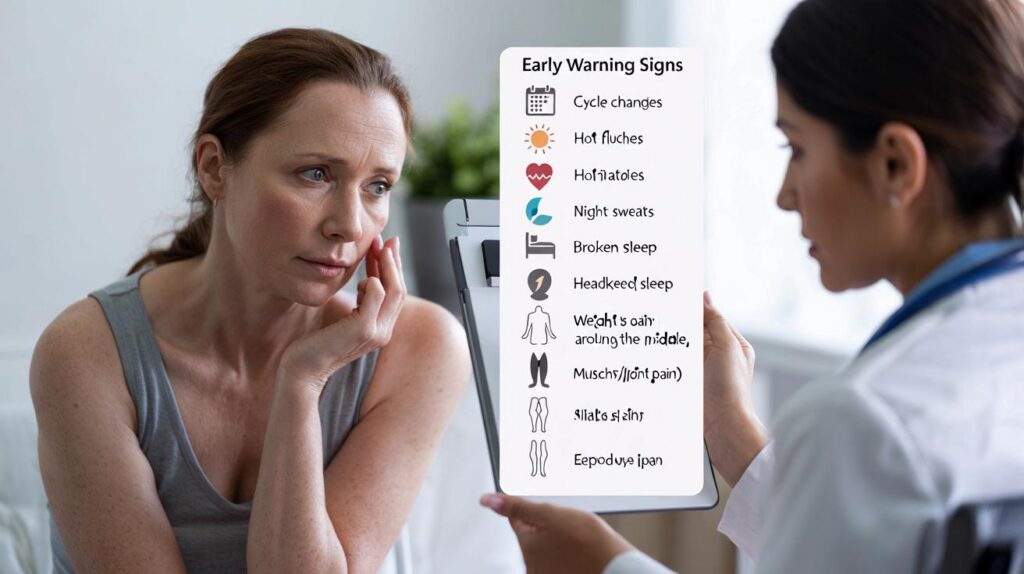
A quiet shift in women’s healthcare is looming, and every hot night or fuzzy morning could matter more than you think.
From 2026, routine midlife health checks will add questions on menopause. That change could steer millions toward timely help, safer bones, steadier sleep and calmer moods. If you are between 40 and 74, the appointment you already know may soon feel very different.
What the new health service checks really mean
England’s free five-yearly Health Check for 40–74-year-olds will, for the first time, include menopause and perimenopause. Clinicians will ask about symptoms such as hot flushes, night sweats, brain fog, low mood and vaginal dryness. They will then signpost treatment options, self-care, and follow-up routes.
Officials expect nearly five million women to benefit once the rollout lands in 2026. The aim is earlier recognition, better access to reliable advice, and less time lost to guessing. Expect a brief question set, refined with experts, and a quick path to appropriate care if you need it.
From 2026, routine checks for 40–74-year-olds will include menopause screening questions for the first time.
Perimenopause versus menopause
Perimenopause begins when symptoms start even though periods continue. Menopause is confirmed after 12 months without a period. Most people reach this between 45 and 55. Some enter earlier.
Early menopause means periods stop before 45. Premature menopause happens before 40. Triggers can be natural or linked to radiotherapy or chemotherapy. Removal of the ovaries brings an immediate surgical menopause. Smoking, starting periods very young and being underweight can also tilt the odds.
No period for 12 months signals menopause. Before 45 it’s early; before 40 it’s premature.
Twelve early signs you should never brush off
- Changes in your cycle: heavier, lighter or irregular bleeding
- Hot flushes and sudden warmth in the face, neck or chest
- Heart palpitations that feel unsettling
- Night sweats that soak sleepwear or sheets
- Sleep that feels broken or shallow
- Worse headaches or migraines than usual
- Shifts in body shape and weight gain around the middle
- Muscle aches and creaky joints
- Drier, itchier skin and scalp changes
- Vaginal dryness, pain or discomfort during sex
- Recurrent urinary tract infections, urgency or leaks
- Low libido, anxiety, low mood, mood swings or brain fog
Four in five women report symptoms. One in four say they are severe enough to disrupt daily life.
How long symptoms tend to last
The pattern varies. Some people feel only a brief shuffle. Others ride waves for years. Hot flushes and night sweats often ease first. Mood shifts and brain fog can ebb and flow. Vaginal dryness and joint pain may persist even after periods end. The range is wide, so tracking your own timeline helps.
Treatments that actually help
Hormone replacement therapy: forms, gains and cautions
HRT replaces oestrogen, and often progesterone, to tame symptoms and protect bone strength. It can reduce hot flushes, improve sleep, lift mood for many, and cut the risk of osteoporosis. If your periods stop before 45, bone protection matters more as fracture risk rises earlier.
| Form | How it’s used | Useful when | Notes |
|---|---|---|---|
| Tablets | Daily swallow | Simple routine suits you | May not suit if you have migraine with aura or higher clot risk |
| Skin patches | Changed every few days | Steady dose, fewer peaks | Transdermal oestrogen carries a lower clot risk than tablets |
| Gel or spray | Applied to skin daily | Flexible dosing | Dries fast, avoid washing site soon after |
| Implants | Inserted under skin | Longer-term option | Less common; specialist fit |
| Intrauterine system | Device in womb | Provides progesterone | Often paired with oestrogen gel, spray or patch |
Your doctor will tailor dose and route. Some people try more than one type before landing on a good fit. Many do well on transdermal oestrogen plus a progesterone, especially if they have migraine or a higher risk of clots.
If your periods stopped before 45, talk about HRT for bone protection as well as symptom control.
Lifestyle moves that ease symptoms
- Eat a varied diet with calcium and vitamin D for bones
- Build muscle with resistance work; add brisk walking or cycling
- Keep a regular sleep window; cool your room; limit late caffeine and alcohol
- Stop smoking to reduce flushes and protect the heart and bones
- Use vaginal moisturisers and lubricants for dryness and pain
- Pelvic floor exercises to steady leaks and improve sexual comfort
- Mind-body options such as CBT or paced breathing for stress and sleep
When to speak to your doctor and what to say
You can seek help at any time. The upcoming check invites will start from age 40, but you do not need to wait. Over 45, diagnosis often rests on symptoms rather than blood tests. Under 45, your doctor may arrange tests or discuss other causes.
- Keep a two-month symptom diary with dates, severity and triggers
- Note any period changes, bleeding patterns and contraception
- List current medicines, supplements and past conditions
- State what you want from treatment: sleep, mood, flush control, pain relief
- Ask about a trial of HRT, local vaginal oestrogen or non-hormonal options
- Mention family history of clots, breast cancer, osteoporosis or early menopause
You do not have to “wait until it’s bad enough”. Early advice can prevent months of struggle.
Who faces higher risk of early menopause
- Smokers and those with long-term low body weight
- People who started periods very young
- Radiotherapy or chemotherapy affecting the ovaries
- Surgical removal of the ovaries
- Some autoimmune conditions and, in some cases, family history
If any of these apply and you notice cycle changes or new symptoms, bring this up promptly. Early action can support fertility planning, bone health, and heart health.
Work, rights and feeling supported
Workplaces are adjusting. Larger employers face growing expectations to provide menopause policies, training and reasonable adjustments. You can ask for cooler seating, flexible breaks, or uniform tweaks. Keep a note of symptoms and how adjustments help. A brief letter from your doctor can smooth conversations.
Simple workplace adjustments—cooling, flexible breaks, uniform tweaks—can steady performance and wellbeing.
Practical next steps before 2026
- Start a symptom tracker this week and rate sleep, mood, flushes and pain
- Check your calcium and vitamin D intake; book a brisk walk date in your diary
- Review contraception; perimenopause does not equal zero pregnancy risk
- Prepare a shortlist of goals and questions for your next appointment
- If you are 40–74, note that your next Health Check should include menopause questions
Extra context that helps you plan
Menopause touches more than hormones. Bone density declines faster after oestrogen drops. That is why weight-bearing exercise and adequate calcium matter from the start. The heart also benefits from smoke-free living, blood pressure checks and active travel. Anyone with early menopause deserves a personalised plan that blends HRT, nutrition and movement to protect long-term health.
Brain fog can unsettle confidence, yet tools exist. Chunk tasks, use reminders, and schedule demanding work for your clearest time of day. Many find that steady sleep and taming flushes reduce fog. If low mood or anxiety dominate, psychological support and, where appropriate, medicines can help alongside or instead of hormones. The aim is not to “push through” but to build a toolkit that lets you function well at home and at work.



Practical question: will the 2026 Health Checks properly pick up perimenopause in people on hormonal contraception or with irregular cycles already? And how will clinicians differentiate symptoms from thyroid issues, anemia, or long‑COVID without overtesting?
Thank you for laying out the 12 signs so clearly—I assumed brain fog was just burnout. Starting a symptom tracker tonight 🙂