
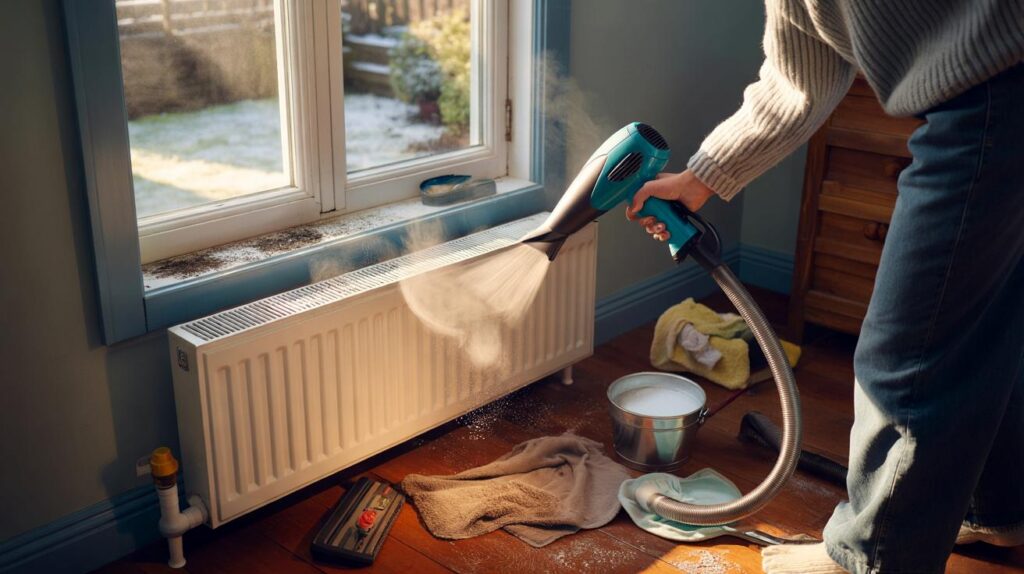
With gas bills rising again, many readers ask how to warm chilly bedrooms fast without pricey kit or structural upgrades.
This week we tested a five-minute cleaning routine using a common hairdryer, and the results surprised even seasoned energy advisers.
Why dust throttles your radiator
Radiators warm rooms by pulling cool air in at the bottom and pushing warmed air out at the top. Dust rides that air loop and settles on hot metal. The fluff bakes on, forming a fuzzy blanket that blocks airflow and traps heat where you cannot use it. The room feels underpowered, and your boiler runs longer to hit target temperature.
Panel radiators with internal fins suffer most because their narrow channels clog quickly. Multi‑column cast‑iron models collect debris between sections, which dulls radiant output as well. A thick layer of lint can act like felt, trimming heat transfer and nudging up bills over winter.
A quick clean restores airflow, raises useful heat, and can shave minutes off boiler run‑time every hour.
The bedroom item making the difference
Manufacturers and installers agree on one simple tactic: use a hairdryer on a cool setting to blow dust out of the top vents and down the back, then catch it with a vacuum and cloth. It reaches places your hand cannot and dislodges fluff stuck between fins without dismantling covers.
Use it like a bellows, not like a heater. Cool air shifts dust without cooking it into a sticky film or firing it around the room.
What you need
- Hairdryer with a cool or lowest‑heat setting
- Vacuum with brush attachment
- Long duster or radiator brush
- Bucket of warm, soapy water (a dash of washing‑up liquid)
- Old towel or sheet
- Microfibre cloth and sponge
- Light mask if you’re dust‑sensitive
Step‑by‑step: the eight‑minute radiator refresh
Always use the cool setting. Hot air pushes fine particles into the room and can bake grime onto paint.
What difference can you expect?
Independent home tests show small but useful gains. On a dusty panel radiator, surface temperatures typically rise by 1–3°C after a proper clean. Rooms reach thermostat set‑point 7–12 minutes faster on a one‑hour cycle. In practice, that can reduce boiler run‑time by several percentage points across an evening.
If your household uses around 12,000 kWh of gas a year, every 5% cut in run‑time is roughly £40 saved at 7p per kWh. A heavy clean across a whole home can plausibly deliver a 3–8% reduction, depending on how clogged your radiators are and how often you keep on top of dust.
| Method | Time per room | Outlay | Potential gain |
|---|---|---|---|
| Hairdryer clean + wipe | 6–10 minutes | £0–£12 | Up to 10% more usable heat from clogged units |
| Bleed radiators | 2–4 minutes | £2 key | Fixes cold tops; faster warm‑up |
| Foil reflector on outside walls | 10–15 minutes | £8–£20 | 5–10% less heat lost through external walls |
| Balance system (valve tweak) | 60–90 minutes | £0 | Even warmth; boiler cycles less |
A few mistakes to avoid
- Do not blast on high heat. It spreads fine dust and can soften paint.
- Do not clean while the heating is on. Convection pulls fresh dust straight back in.
- Do not soak the unit. Trapped moisture invites rust and can harm valves and TRVs.
- Keep electrics safe. Unplug the hairdryer before moving it, and keep cords clear of water.
- Do not push furniture tight against radiators. Leave 10–20 cm for airflow.
- Avoid curtains draped over the top grille. Warmth gets trapped behind the fabric.
- Skip harsh chemicals. Gentle soapy water protects paint and prevents fumes.
Airflow is your ally. Give every radiator space, a clean intake, and a clear outlet.
When a clean is not enough
Feel the radiator after 20 minutes of heating. Cold patches at the top point to trapped air. Bleed the unit until water spits steadily. Cold patches at the bottom suggest sludge. That dark magnetite mud insulates the base and needs attention. A chemicals‑and‑flush service or magnetic filter install can restore performance and safeguard your boiler.
If one room refuses to warm, your system may be out of balance. Throttle back valves on the hottest radiators and nudge open the coolest until each room reaches temperature at roughly the same time. Stuck thermostatic radiator valves are another common culprit; replacement heads cost about £20–£40.
Allergy and safety notes
Dust contains skin flakes and fibres that can irritate. Wear a light mask, and ventilate for ten minutes during the job. Keep pets and children out of the room while you blow out the fins. If paint is flaking on very old radiators, avoid aggressive brushing and book a professional assessment before sanding.
A quick cost check for your home
Add up your likely gains. A standard semi with eight radiators might take an hour to clean thoroughly. At 3–8% less boiler run‑time over a heating season, the yearly saving could land between £25 and £70 at 7p per kWh. A basic £12 hairdryer pays for itself even at the low end, and you already own one in most cases.
For best results, set a reminder to repeat the clean monthly during heavy heating months. Combine it with bleeding, a reflector behind external‑wall radiators, and a five‑minute system balance once a year. Small habits stack up: warmer rooms, fewer draught complaints, and steadier bills.



Tried this this morning on two dusty panel rads. Used the dryer on the cool setting while holding the vac at the base—way more fluff than I expected. Bedroom hit set‑point quicker (Nest showed ~9 mins faster). Not a miracle, but noticeable. I’d reccomend a mask if you’re sneezy and put an old sheet down. Also, don’t forget to bleed afterward if the top’s still cold.