
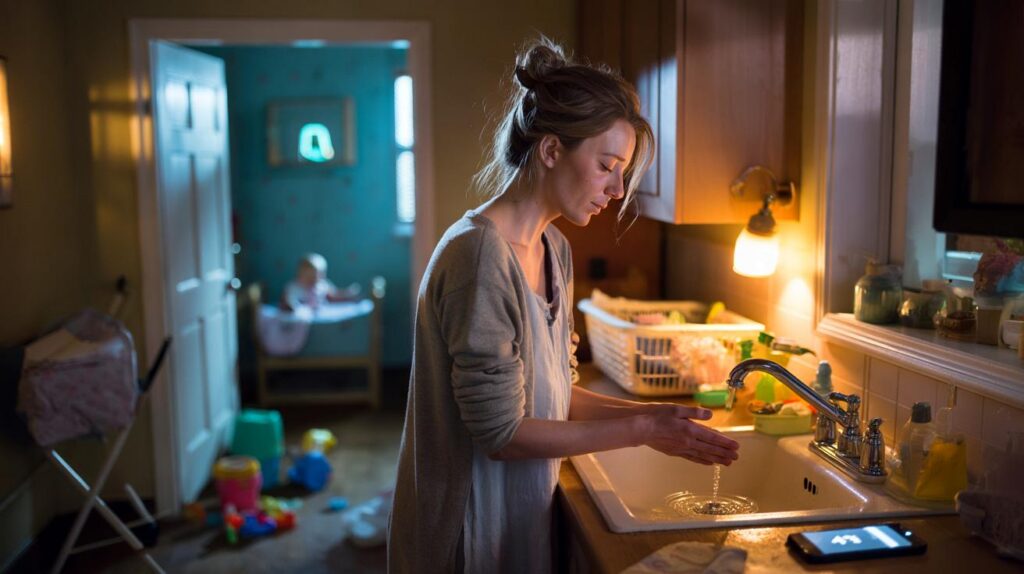
In living rooms up and down Britain, new parents whisper about a feeling they never expected to meet so soon.
A therapist’s confession has pulled a private topic into daylight: the fierce, startling anger that can accompany early parenthood, and what it reveals about care, pressure and the body’s limits.
From private fury to public conversation
She thought love would be enough. Then the long nights began, and the crying never seemed to end. She urged her partner to take a break, then rang him home because the baby would not settle. In the silence that followed, a brutal impulse flared. She did not act on it. Shame sealed her lips. She pushed harder. She smiled. She broke in private.
Months later, returning to work stretched her to snapping point. A GP called it depression. Few asked about anger. When she finally found a therapist who listened without minimising her pain, something shifted. She learned that rage was not proof of failure. It was a message from an overloaded system: too much noise, too little sleep, too many expectations, not enough support.
Anger in early parenthood is often a signal, not a verdict. It asks for change before harm happens.
What maternal rage is — and what it isn’t
Maternal rage is an intense surge of anger or irritation that can flood a parent in seconds. It can feel hot, frightening and out of proportion to the trigger. It is not a moral flaw. It is not a plan to harm a child. It often grows from sleep deprivation, sensory overload, isolation, past grief or trauma, and the relentless pressure to be the “perfect” parent.
Perinatal mental health problems affect many families in the UK. Conditions such as postnatal depression and anxiety are well recognised. Maternal rage often sits inside those experiences, or alongside them, yet goes unnamed because parents fear judgement. Naming it creates space to act sooner and safer.
Common triggers you can actually spot
- Stacked stressors: hours of crying, cluster feeding, skipped meals, no rest.
- Sensory overload: shrill noises, bright lights, mess, a baby needing you every minute.
- Invisible labour: the mental load of planning feeds, naps, appointments and bills.
- Perfection pressure: the idea a “good mum” stays calm, grateful and tireless.
- Old hurts: fertility struggles, previous loss, or a difficult birth still unresolved.
- Thin margins: no childcare, no breaks, money stress, a partner home late again.
- Body signals: clenched jaw, prickly skin, racing pulse, a sudden urge to shout.
Why so many parents stay silent
Silence grows in the gap between reality and expectation. Parents learn to prioritise others, smooth over conflict and carry on. Many fear being labelled unsafe or ungrateful if they admit to fury. Cultural scripts still paint mothers as endlessly patient, endlessly gentle. Fathers and non‑birthing partners, meanwhile, often assume they must be stoic and steady, and hide their anger too.
In the UK, health services encourage parents to speak to a GP, midwife or health visitor about mood changes, yet anger rarely features in standard questions. That leaves a lot of families coping alone. Early, frank conversations reduce risk. Shame amplifies it.
Silence helps the stigma. Naming the feeling helps the family.
Seven things you weren’t told about maternal rage
- It often peaks when you are most sleep‑deprived. Protecting sleep protects patience.
- The target isn’t the baby. The target is overload, unmet needs and unrealistic standards.
- Rage can signal grief. Fertility journeys, losses and birth trauma can resurface in the night feeds.
- Partners feel it too. Anger does not belong to one gender; it comes with strain and responsibility.
- Quick exits keep children safe. A crying baby can safely lie in a cot while you reset.
- Good support shrinks big feelings. Therapy, peer groups and practical help change the climate at home.
- Boundaries beat willpower. Reducing noise, demands and tasks matters more than “trying harder”.
What helps in the moment
When anger surges, quick, repeatable actions work best. Plan them before you need them. Share the plan with your partner or a trusted friend.
| Intensity | What you can do in 90 seconds | Why it helps |
|---|---|---|
| Rising irritation | Unclench jaw, drop shoulders, lengthen exhale for six breaths | Activates the body’s calming response and slows heart rate |
| Overload tipping point | Place baby in a safe cot, step into hallway, run wrists under cold water | Creates distance and grounds the nervous system fast |
| Red‑hot rage | Text a code word to a partner or friend, stomp in place, count backwards from 100 | Signals for backup and burns adrenaline without harm |
Longer‑term support that changes the picture
- Book a GP or health visitor appointment and use the word “anger”. Clear language guides treatment.
- Ask about perinatal mental health services or talking therapies focused on parenting stress.
- Join a peer group for new parents where rage and overwhelm can be discussed without judgement.
- Rebalance labour at home. Put night shifts, chores and admin on paper and redistribute fairly.
- Build buffer time. Short daily breaks, even 15 minutes alone, reduce spikes later on.
- Address sleep. Tag‑team nights, safe co‑sleeping guidance, or temporary bottle top‑ups can help.
- Process the past. Trauma‑informed therapy can ease grief that fuels present‑day anger.
The bigger picture in Britain
Perinatal mental health difficulties affect many families each year. While “maternal rage” remains under‑researched as a standalone category, clinicians report that anger commonly appears within depression, anxiety and burnout. Parenting charities also hear frequent accounts of shouting, snapping and guilt. The theme repeats: most parents did not expect it, did not have language for it, and did not know where to take it.
Health bodies urge parents to seek help early. If you ever fear you might hurt yourself or someone else, contact urgent care. If you feel overwhelmed but safe, a same‑day GP call or a conversation with a health visitor can open doors to specialist teams. Helplines staffed around the clock can also listen without judgement.
How partners and friends can make a difference
Support works best when it removes pressure rather than adds advice. Offer rest, food and time, then keep offering. Share nights, take the baby for a daily walk, shoulder the admin. Normalise the words “I feel furious” and meet them with calm, not critique. Agree a code phrase that means “I need you now” and honour it. Ask what helps and repeat it. Practical care is emotional care.
Turning anger into information
Treat rage as a dashboard light. It may point to a need for sleep, a boundary, a break, or a conversation about fairness. Many parents find short writing exercises help: note the trigger, the body signal, the need beneath it, and one small change for tomorrow. Stack small changes. The atmosphere at home shifts when the load gets shared, routines ease, and shame loosens its grip.
Anger becomes safer when it is noticed early, voiced clearly, and met with practical support.
Extra context you can use today
Try a three‑column journal for a week. Column one: “What set me off?” Column two: “What my body did.” Column three: “One need I can meet.” Review on Sunday. Circle the patterns. Pick two changes to test next week. Repeat. This simple audit builds awareness and reduces the frequency of flashpoints.
Consider the concept of the “mental load”. It captures the planning, reminding and anticipating that often sits unseen with one parent. Writing it down and sharing it out can lower irritation more effectively than any mantra. Anger recedes when life fits the human holding it.



Thank you for saying anger is a signal, not a verdict. The 90‑second tips feel doable when I’m running on crumbs of sleep. I’m saving the “cold water on wrists” idea. 😊