
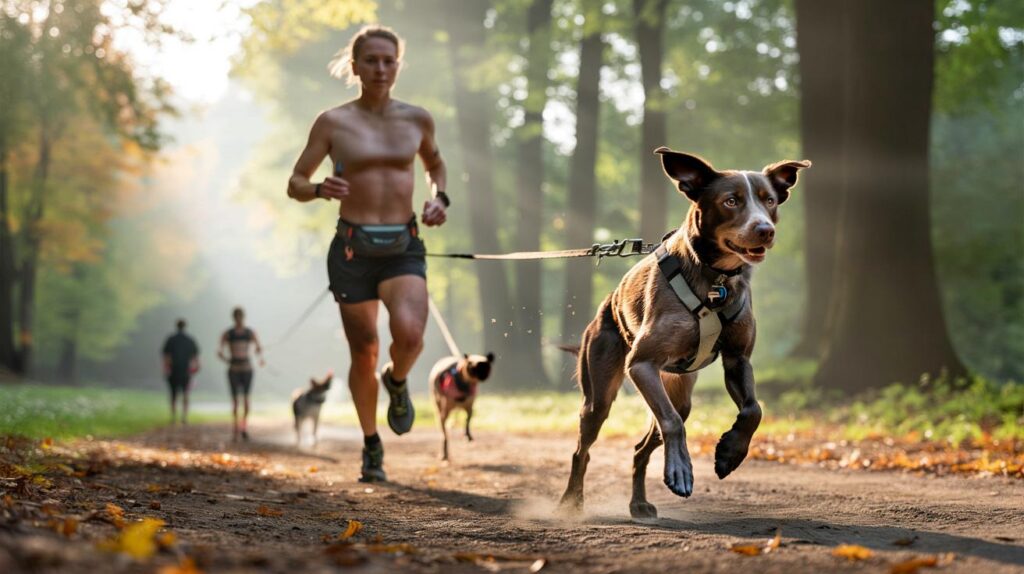
Cool mornings, soft trails and wagging tails are tempting thousands to clip on a bungee lead and run side by side.
Across parks and woodland paths, more people are trying canicross, the sport where a harnessed dog helps pull a runner. The appeal is obvious: shared effort, clear cues, and a sense of teamwork that turns routine runs into something more social and focused.
Start when the air is cool, the ground has give, and your dog shows eagerness to move forward with you.
Why canicross is catching on this season
Autumn offers forgiving temperatures, softer soil, and calmer trails. Those conditions suit beginners and reduce strain on joints and paws. Clubs and informal groups report packed taster mornings, and kit shops say demand for traction harnesses is up. Newcomers are keen, yet many skip safety steps that protect backs, shoulders and soft tissue. A handful of sound habits keeps the fun high and the risks low.
Five field-tested steps to start safely
Get a health green light
Book a basic veterinary check before you train. Ask about heart, lungs, weight, and joint history. Avoid running with young dogs until growth plates close: small and medium breeds usually from 12 to 15 months; large and giant breeds often later. Short‑nosed breeds overheat and struggle to breathe at pace, so choose brisk walks, short jogs, or cani‑hiking instead.
Watch your dog’s motivation on normal walks. A dog that leans into a harness, pulls steadily, and scans the trail ahead usually enjoys canicross. One that hangs back, yawns repeatedly, or fixates on other dogs might prefer different work.
Postpone canicross for any dog showing lameness, coughing, persistent fatigue, or recent stomach upsets.
Kit that protects both of you
A simple collar and lead are not enough. Proper canicross kit spreads load, reduces jolts, and lets your dog breathe freely while pulling.
| Item | What it does | Fit check |
|---|---|---|
| Wide waist belt | Transfers pull to hips, spares your lower back and arms | Sits low on hips, doesn’t ride up when you lean forward |
| Traction harness | Allows chest and shoulders to drive without pressure on the throat | No strap on the windpipe, shoulder blades move freely, no rubbing |
| Bungee lead (2 m) | Absorbs accelerations and stops sudden tugs | Elastic returns smoothly, carabiners locked, line stays clear of legs |
Skip retractable leads. They teach constant tension and add unpredictable slack. Check stitching weekly and retire kit at the first signs of frayed webbing or loose buckles.
Teach movement cues before speed
Clear cues make running safer. Train them at a walk, then at a jog, then on gentle trail sections. Use food or toys to reward correct choices. Keep sessions short, end upbeat, and avoid drilling when your dog is tired.
- “Forward” or “go on” — move straight ahead from a standstill.
- “Steady” — reduce speed without stopping.
- “Left” and “right” — change direction on path splits and corners.
- “Stop” — immediate halt, then wait for release.
- “Leave” — ignore wildlife, bins, and other dogs.
Practise these near home, then on wider trails, and finally on narrow footpaths. The sequence builds confidence and cuts near‑misses.
Build load gradually
Start with 10–15 minutes on soft ground, two or three times a week. Keep the first kilometre easy. Aim for evenly paced efforts where the line stays lightly tensioned, not fully stretched.
Increase either total time or distance by about 10% per week. Keep one full rest day between runs.
Choose shade and avoid strong sun. Many dogs struggle once the air temperature nudges past 18–20 °C, and humidity magnifies heat stress. Early mornings or late afternoons work best. Stick to forest tracks, grass, and dirt. Reduce time on tarmac to protect paws and joints.
Make recovery part of the run
Do a two‑minute warm‑up walk, then a minute of easy jogging before asking for a pull. Afterward, walk until breathing settles and the tail relaxes. Offer small sips of cool, not icy, water. Large, deep‑chested breeds face a known risk of bloat if they gulp huge volumes or eat immediately after hard effort, so wait before feeding.
Check paws, nails, and harness rub points. Dry mud between toes, and rinse grit from pads. If your dog licks a specific paw or shows a head bob while trotting, call it a day and reassess in 24 hours.
Minor cuts, split nails and pad abrasions worsen fast at speed; light problems today become real injuries tomorrow.
Reading your dog on the move
Your dog speaks through rhythm, line tension, and breath. A dog that shortens stride, drifts behind, or pants with the tongue curled at the tip needs a slower pace or a stop. Glazed eyes, drooling foam, or wobbly steps signal overheating. Take shade, water, and time. End the session and head home if signs persist.
Confidence grows when you allow sniff breaks and short releases from tension. Use them as rewards for well‑held cues. That balance keeps arousal in check and reduces sudden lunges at squirrels or cyclists.
Route choices that pay off
Pick loops rather than out‑and‑backs to avoid arguments about turning for home. Gentle climbs build strength without ballistic speed. Avoid root‑heavy singletrack until your dog understands “steady” on descents. If you run at night, add a chest light or reflective strip to the harness and a head torch for yourself. See and be seen.
Red flags you should not run through
- Persistent coughs, diarrhoea, or recent vomiting in the past 48 hours.
- Hot weather, especially above 20 °C in still air, or high humidity.
- Limping, stiffness on rising, or reluctance to put on the harness.
- Fresh paw cracks, torn dewclaws, or bleeding nails.
- Unusual aggression or withdrawal around other dogs at the start line.
When racing tempts you
Most events require a waist belt, a bungee line, and a non‑restrictive harness. Many enforce minimum ages and mandatory kit checks. Bring water, a collapsible bowl, and a warm layer for your dog post‑run. Scout the course map for bottlenecks or steep drops. Seed yourself at the back if your dog is excitable at first, then overtake cleanly once settled.
Extra ways to build the bond
Cani‑hiking offers the same teamwork at walking pace and suits hot days or younger dogs. Bikejoring and scooter‑joring deliver more speed once your cues are solid. Strength work helps too: slow hill walks, figure‑of‑eight turns, and rear‑end awareness drills improve control and reduce stumbles on tricky trails.
For a simple training week, try this: two canicross sessions of 15–25 minutes on soft paths, one longer free run with the lead unclipped for decompression, and one day of nosework games at home. Add stretches of loose‑lead walking to rehearse calm starts. The variety keeps both minds fresh and reduces repetitive strain.
Think about conditions as well as distance. A 3 km run on damp grass might be easier than 2 km on hard, rutted tracks. After rain, look for silt and sharp flint on bridleways; after frost, expect slick leaves underfoot. Small route tweaks make a big difference to safety and enjoyment.



Loved the cue list — “forward”, “steady”, “leave” — finally something practical I can try on our local trails 🙂 We’ve been cani‑hiking but I was nervous about speed; the 10% weekly bump and the 2m bungee tip make it feel doable. Also, the reminder to check pad rubs was definitley gold. Thanks for a sane, no‑panic starter guide! 😅