
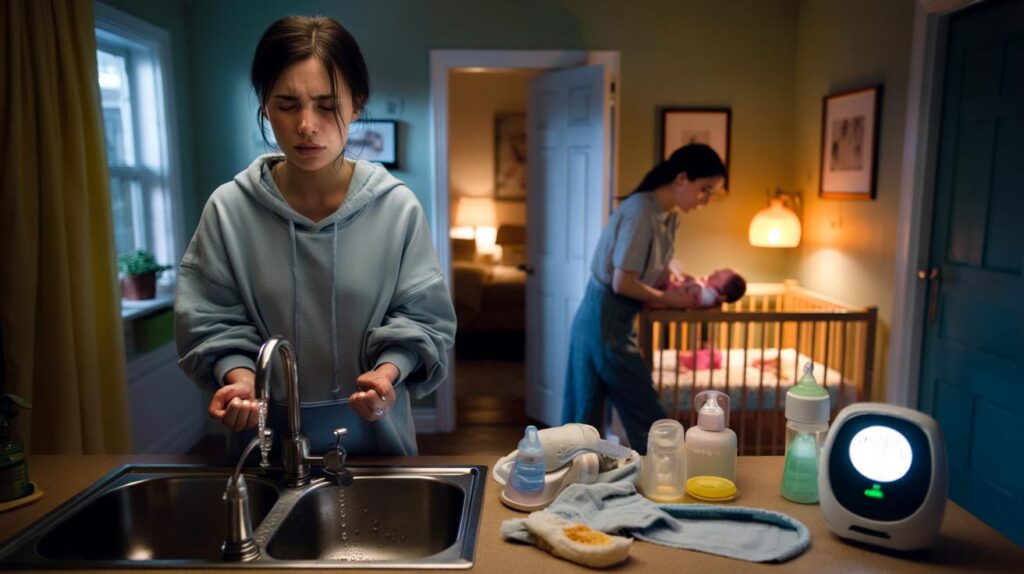
Sleepless nights, relentless cries, and a silent fury many parents never expect. A psychotherapist lifts the lid on maternal anger.
Across the UK, parents speak in whispers about an emotion that collides with love. A growing number now name it: maternal rage.
Invisible anger behind the pram
When her daughter arrived early and tiny, one mother thought love would carry her through. It did not. The feeds stretched into the night. Every cry sparked a surge that felt physical, shocking, and hard to admit. She asked her partner to go out, then begged him to come home. She feared what her own hands might do if she stayed alone with the screaming. She did not act on those urges. She swallowed them. Shame held her voice.
Eighteen months later, back at work and running on fumes, she crashed. A clinician labelled it depression. She tried medication and felt flat. Therapy finally gave her room to say the word she had hidden: rage. That space changed the trajectory of her family life. She later retrained to help other parents who recognise the same heat behind the eyes at 3am.
Anger is not a verdict on your parenting. It is a signal that something needs attention now.
What pushed one mother to the brink
She had lived by a rulebook that prized being good, helpful, and tireless. She rarely asked for support. Motherhood tested that script. The baby needed constant soothing. The house needed care. Work returned with deadlines. She watched the door at dusk and seethed when help ran late. Inside her head, a chorus chanted: be calm, be grateful, be better. The chant drowned out her needs.
In therapy, she noticed a pattern. The rage did not target her child. It bubbled up from sleep debt, sensory overload, and old grief. It rose each time an impossible standard pressed on her shoulders. Naming it took power from it. Small releases—breathing, stepping outside, asking for a hand—stopped explosions before they started.
The numbers you rarely hear
Anger after birth carries stigma. Many parents expect joy and accept exhaustion, but they do not expect the urge to shout, slam doors, or flee. NHS figures suggest up to 1 in 5 women experience a mental health problem during pregnancy or in the first year after birth. Clinicians say anger often rides alongside anxiety, depression, trauma, or crushing sleep loss. It is not a diagnosis. It is a warning light on the dashboard.
Up to 1 in 5 new mothers face perinatal mental health challenges. Anger can be the first red flag.
Why shame keeps parents quiet
The myth of the endlessly patient mother bites hard. Social feeds show tidy kitchens, smiling babies, and soft light. Behind the phone, many parents pace hallways with ringing ears and tight fists. They fear judgement. They worry a confession could brand them unfit. Silence grows. Support drifts farther away.
Seven signs your anger needs attention
- You feel surges that arrive fast and strong, several times a day.
- Noises, mess, or clinginess trigger an outsized reaction.
- You picture throwing or shaking an object and feel scared by the thought.
- Sleep deprivation and caffeine make you jittery, jumpy, and quick to snap.
- Shame arrives after every outburst, and you withdraw from friends.
- Your body signals distress—jaw clenching, chest tightness, shaking hands.
- The anger does not pass with rest and starts to colour your bond with your child.
What helps in the moment
Anger peaks fast. The nervous system needs a circuit-breaker you can use in the kitchen, the nursery, or the car.
- Place the baby safely in the cot and step into another room for two minutes.
- Run cold water over wrists and breathe out longer than you breathe in.
- Name the feeling out loud: “This is anger. It will pass.”
- Use a code word with your partner to swap out without debate.
- Lower stimulation: lights down, phone away, white noise on.
- Eat something with protein and drink water; low fuel worsens spikes.
- Move the body: wall push-ups, a brisk hallway walk, or shaking out the arms.
| Trigger | What it might signal | First step that helps |
|---|---|---|
| Non-stop crying at night | Sleep debt, sensory overload | Safe pause, ear defenders, agree a night shift swap |
| Partner running late | Isolation, mismatched expectations | Text a clear plan, ask for a precise handover time |
| Mess and noise at 5pm | Blood sugar crash, decision fatigue | Snack with protein, simplify dinner, park non-urgent tasks |
| Clingy baby during emails | Role conflict, mental load | Set a 20-minute work/settle block, postpone non-essentials |
Building a support plan
Map your week. Circle the hours when spikes hit. Adjust the load where you can. Share the pattern with a partner, friend, or family member. Ask for one practical change: a protected nap, a hot shower alone, a 30-minute walk at dusk. Small shifts stack up.
Speak to your GP or health visitor if anger stays high, if sleep never resets your baseline, or if you fear you could hurt someone. Ask about screening for postnatal depression, anxiety, thyroid issues, anaemia, and trauma. A therapist trained in perinatal care can teach tools and help unpack the beliefs that fuel the fire.
Ask early, not at breaking point. You deserve support long before crisis.
What therapists watch for
Clinicians listen for intrusive thoughts, panic, low mood, or numbness. They check sleep, nutrition, and medication side effects. They screen for obsessive-compulsive patterns that latch onto safety. They assess past losses that new parenthood can stir. They also look at context: housing, finances, and isolation shape the nervous system. A full picture guides care.
The role of culture, gender and the mental load
Maternal rage rarely sits in isolation. Women carry more unpaid care and often more night work. Some fathers feel their own version yet receive less permission to speak. Single parents face fewer buffers. Newcomers without family nearby lose community scaffolding. Anger grows where support thins. Change needs both home-level tweaks and wider policy that funds leave, childcare, and perinatal care.
If you fear you might snap
- Place the baby safely in the cot. Walk to another room. Breathe for two minutes.
- Call someone and say one line: “I’m overwhelmed. I need a swap.”
- If thoughts turn to harm and feel sticky, seek urgent help from your GP or local crisis team.
More for readers who want practical next steps
Try a seven-day “overload audit”. Log sleep, meals, caffeine, noise, and help received. Note when anger rises. Adjust one lever per day: earlier snack, nap trade, push back one chore, skip one social promise, outsource one task, nap with the baby once, and set a firm lights-out. Re-run the log the next week and compare.
Parents who adopt, use surrogacy, or foster can face the same spikes. The body’s hormone story differs, yet the nervous system still reacts to stress, loss of control, and night waking. The same skills apply. Anger does not disqualify you from being a loving parent. It points to a need. Meeting that need changes the story for you and your child.



Is “maternal rage” just rebrandng sleep deprivation and stress? The 1-in-5 stat—what’s the source, NHS survey or something else?