
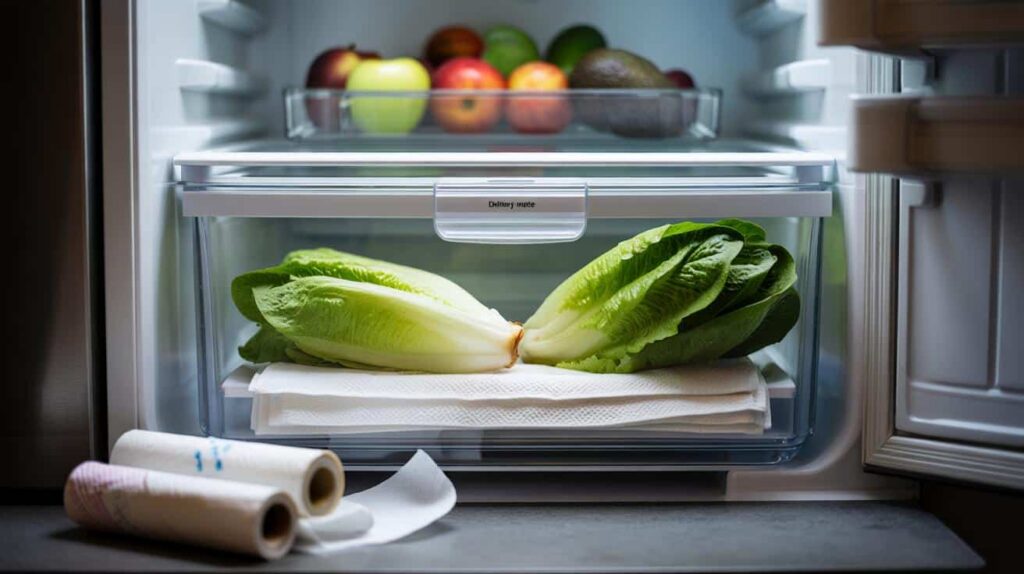
Lettuce still collapses when moisture spikes and airflow stalls, turning crisp leaves into lunchbox regrets fast.
The fix relies on handling water and gas, not foil and wrap. Home cooks keep texture longer with a simple setup that nudges the plant’s biology in your favor.
Why lettuce wilts so quickly
Lettuce breathes after harvest. Leaves release moisture and respire, losing turgor and crunch. Heat speeds up this process. Direct light stresses cells. Poor airflow traps condensation, which encourages rot. The result feels limp, tastes flat, and browns at the edges.
Ethylene, a natural plant hormone, adds another problem. Many fruits release it as they ripen. Lettuce is sensitive to it. Store it nearby, and the leaves age faster.
Heat, light and ethylene: the trio to avoid
- Sunlight warms the surface and boosts respiration.
- Room temperature dehydrates leaves and grows microbes.
- Ethylene from apples, bananas, tomatoes and avocados accelerates breakdown.
Moisture balance matters more than you think
Too dry, and lettuce wilts. Too wet, and cells suffocate, then slime appears. The trick is to keep leaves slightly hydrated while absorbing surface water. Controlled humidity plus gentle airflow protects texture and flavor.
Keep lettuce cold, dry to the touch, and shielded from ethylene. That trio preserves crunch far longer than wrap or foil.
The method that beats foil and plastic wrap
Skip tight wraps that trap wet air. Build a breathable, absorbent environment instead. Here’s the setup that extends freshness without gadgets:
- Rinse leaves in cool water to lift grit and soil.
- Dry thoroughly. Use a salad spinner, then pat with clean cloth or paper towels until leaves feel dry.
- Line a wide, shallow container with two layers of paper towel or a clean tea towel.
- Lay leaves in a single layer, then add a second layer on top if needed. Avoid thick stacks.
- Cover with another absorbent layer. Close the lid without compressing the leaves.
- Refrigerate promptly, ideally in the high‑humidity crisper.
This setup mops up condensation while allowing a little airflow. Leaves stay crisp, not soggy. Open the container every couple of days to vent excess moisture. Replace damp towels if they feel wet.
Handled this way, most lettuces hold 7 to 10 days in the fridge with flavor and bite intact.
Whole heads versus loose leaves
Buying a whole head? Keep the core intact until you plan to eat it. The core slows dehydration through the stem end. Remove damaged outer leaves, then store the head wrapped in a dry towel inside a container or perforated bag. For pre‑cut leaves, dryness matters even more; spin longer and stack lighter.
Where to place it in the fridge
- Use the crisper drawer set to high humidity for leafy greens.
- Keep lettuce away from ethylene producers: apples, pears, peaches, plums, tomatoes, avocados.
- Aim for 1–4°C. Colder air reduces respiration and extends shelf life.
If you’d rather not use paper towels
Disposable paper isn’t the only way to manage moisture. These options work well and cut waste:
- Reusable cotton cloths or clean tea towels as absorbent layers.
- Breathable produce containers with raised bases that keep leaves off condensation.
- Perforated produce bags plus a single cloth inside to catch droplets.
- Bamboo or silicone reusable “produce sheets” designed to wick moisture.
Troubleshooting and rescue moves
See fog on the lid? Open, replace the top towel, and relid. Notice slimy spots? Remove affected leaves immediately to protect the rest.
Wilted but not spoiled leaves can bounce back. Soak them in ice water for 10–15 minutes, spin dry, then return them to the container with fresh absorbent layers. Off odors or slippery surfaces signal spoilage. When in doubt, bin it.
Quick comparison of common storage approaches
| Method | Airflow | Moisture control | Typical life | Notes |
|---|---|---|---|---|
| Tight plastic wrap | Low | Poor, traps condensation | 2–4 days | Fast browning and slime risk |
| Aluminum foil | Very low | Poor, no absorbency | 2–3 days | Texture degrades quickly |
| Container + absorbent layers | Moderate | Strong, wicks surface moisture | 7–10 days | Best balance for most greens |
| Perforated produce bag + cloth | High | Moderate | 5–8 days | Good for high‑volume fridges |
| Vacuum bag | None | Traps moisture, bruises leaves | 1–3 days | Not suited to delicate greens |
How this method preserves nutrients and taste
Chill slows vitamin loss and enzyme activity. Dry surfaces limit bacterial growth that dulls flavors. Absorbent layers protect fragile cell walls from standing water. Separation from ethylene sources keeps bitterness down. The result tastes fresher and keeps its snap.
Smart prep for a week of salads
Wash, spin, and pack leaves on grocery day. Portion into two containers if you eat daily. Open one first, keeping the second sealed longer. Slip a fresh towel on top midweek. Add dressings only at the table to protect structure.
Budget and waste wins
- Longer shelf life reduces throwaway greens and repeat store trips.
- Whole heads often cost less per serving and store better with the core intact.
- Reusable cloths cut paper waste while keeping performance high.
Extra angles that help at home
Consider lettuce type. Romaine, little gem, and iceberg tolerate storage better than delicate butterhead or baby spring mixes. Mix textures in the container to balance durability and tenderness. Add sturdier leaves on the bottom layer and tender ones on top.
Mind cross‑contamination. Wash hands, sanitize the spinner, and keep raw proteins away from your greens container. If you prep for kids or seniors, aim for same‑day washing and next‑day service only, then refresh with a quick spin.
Simple habits—dry thoroughly, layer with absorbent material, and park away from ethylene—turn a fickle vegetable into a reliable staple all week.


