
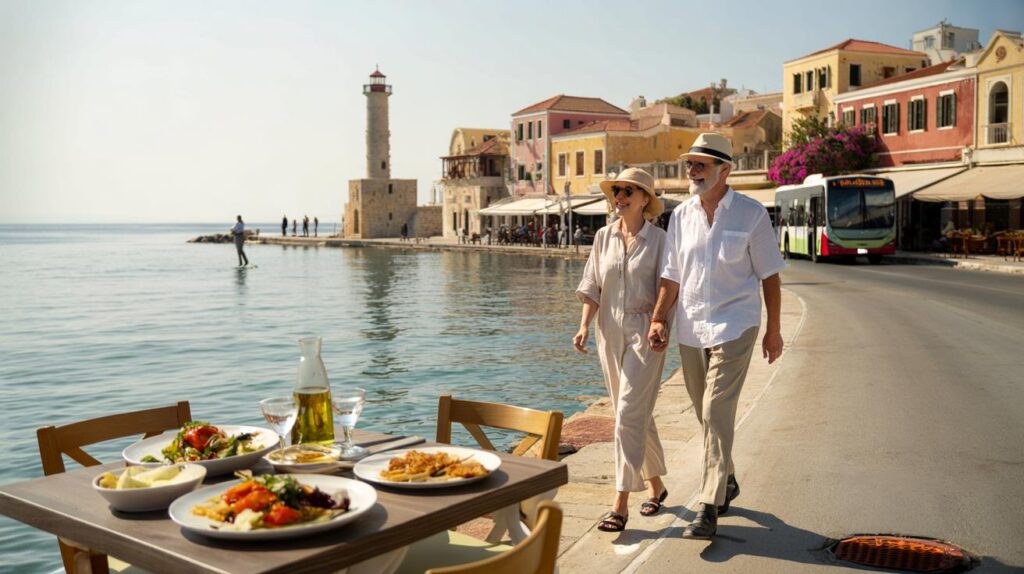
British retirees are rethinking autumn plans as crowds thin, prices settle, and a Mediterranean island promises calm, culture, and easy travel.
Fresh data show a sharp jump in over-55s booking winter sun. Many are eyeing Crete, where October rarely feels like autumn.
Why crete suits pensioners this autumn
New figures from AllClear Travel Insurance point to a strong shift. The share of over-55s planning winter trips rose from 40% to 60% year on year in 2024. That trend mirrors what many see on the ground. People want warmth without the hassle of peak-season crowds. They also want straightforward travel and reliable healthcare once they land.
Over-55 travel plans jumped by half in 2024, rising from 40% to 60% and signalling a clear appetite for winter sun.
Crete answers those needs. The island brings stable weather, good food, and a pace of life that suits slower days. It also offers frequent buses between the main towns, which makes car-free trips more practical. Many visitors add that the welcome feels genuine once the summer rush fades.
Weather you can count on
October days on Crete typically reach around 26C. The air stays mild in the evening. The sea remains tempting. You avoid oppressive heat. You also sidestep the sharp winds of winter. That balance lets you plan walks and lunches outdoors without fretting over extremes.
Daytime highs around 26C in October keep days warm enough for beaches and sightseeing, minus the blazing summer sun.
Culture without the queues
Crete holds some of the Mediterranean’s most storied sites. The Minoan ruins at Knossos draw history lovers. Archaeology sits close to modern life. You can visit in cooler hours. You can move at your pace. Cities such as Heraklion, Chania, Rethymno and Agios Nikolaos mix Venetian, Ottoman and Greek influences. Streets reward slow wandering. Cafés invite unhurried stops.
Food, value and the slower rhythm
Autumn cooking shines here. Seasonal produce fills menus. Dakos comes crusty and fresh. Lamb with wild greens feels hearty. Seafood lands straight from small boats. Taverna tables sit by the water. Bills tend to be modest by British standards. The cost of living undercuts UK prices, so pensions stretch further. That matters for longer stays and repeat trips.
Public transport and easy movement
Buses link the main towns across the island. They run often in the day. Drivers load luggage without fuss. Stations sit near central markets and ports. This cuts the need for a hire car. It also lowers costs for couples and solo travellers. Taxis fill gaps for late returns or short hops.
Healthcare and peace of mind
Reports highlight modern hospitals and clinics in Heraklion and Chania. Staff speak English in many departments. Pharmacies stock common medicines. Visitors with regular prescriptions should carry copies and a list of generics. That small step smooths any pharmacy visit. Travel insurance for pre-existing conditions still matters. It adds confidence for longer stays.
What to see without rushing
Crete suits varied energy levels. Those who stay active find big landscapes. Those who favour softer days face no shortage of options.
- Walk the waterfront in Chania, then settle into a harbour café for lunch.
- Visit the Palace of Knossos early, then tour Heraklion’s old streets in the shade.
- Pick one beach day at Elafonissi, Balos or Vai for bright water and soft sand.
- Take a gentle nature outing on a marked trail near villages rather than a full gorge hike.
- Wander Rethymno’s lanes for artisan shops and an easy evening meal.
For the energetic: nature on your terms
Samaria Gorge draws many walkers. It is dramatic and rewarding. It also demands sure footing and stamina. If that sounds heavy, choose shorter ravines or coastal paths. You still get limestone cliffs, oleander-framed streams and big mountain views. You spare your knees. Bring sturdy shoes either way. Pack water and a hat for mid-morning sun.
How the island feels in October
Autumn brings friendlier streets and easier bookings. Restaurants keep tables free at peak lunch hours. Museums feel manageable. Markets open with local pace. Shopkeepers chat. Coaches empty faster at photo stops. West of Chania, quiet villages offer hushed evenings. You can base yourself in a small village south of Heraklion and feel part of daily life. A week moves quickly with a simple rhythm of morning outings and slow afternoons.
Real voices, common themes
Travellers report wide variety in a compact package. One week can bring mountain peaks, farm terraces, caves and beaches. Many praise the sense of community. They like paying modest bills after fresh meals. They also note how easy it feels to switch between bustle and calm. Chania suits shopping and food days. Rural corners reward silence and stargazing.
Practical notes for over-55 travellers
Plan shorter days out and keep buffers. Aim for early starts and a shaded lunch. Book accessible rooms if steps are tricky. Ask for ground-floor options near parking. Check that your accommodation confirms lift access where needed.
| Need | Simple fix |
|---|---|
| Heat management | Schedule walks before 11am and after 4pm; carry water and a light scarf |
| Mobility | Choose old-town hotels on flatter lanes; confirm step-free entry in advance |
| Budget control | Use buses between cities; eat main meals at lunch for fixed-price menus |
| Healthcare | Carry medication lists; store insurer details on paper and phone |
Seasonal realities to consider
Some beach kiosks reduce hours after mid-October. A few island ferries switch to leaner timetables. Museums may tweak closing times near the end of the month. Build margin into travel days. Keep a light jacket for breezier evenings. A compact umbrella covers rare showers.
If you want to stretch the trip
Use the bus network to string together a gentle circuit. Spend two nights in Chania for harbour walks. Switch to Rethymno for old-town browsing and seaside tavernas. Finish in Heraklion for museums and Knossos. That plan avoids daily packing. It keeps ride times short. It also spreads your meals across different local kitchens.
Added value for longer stays
Staying two or three weeks changes the feel. You start to recognise faces at the bakery. You learn the timing of the fishmonger. You find a favourite bench by the sea. Costs stay reasonable, so longer rentals make sense. Direct flights from the UK help family join for a few days. That flexibility turns a simple escape into a seasonal habit.
Many readers ask about risk versus reward. The reward is clear: warm days, calm streets and strong value. The risks sit in planning gaps. That means over-ambitious hikes, midday heat or last-bus surprises. A few checks prevent most snags. Confirm transport the day before. Carry cash for small village cafés. Keep a copy of your passport stored separately.
Crete will not shout for your attention in October. It offers consistent warmth, straightforward logistics and a culture that invites unhurried days. For many over-55s, that is the point. It feels like a place built for living well, not racing through a list.



Sold! 26C and no crowds? Count me in 🙂
Is 26C a bit rosy? We had breezy days and a couple of showers last October in Chania—still lovely, but not quite beach-every-day. Any data beyond long-term averages?