
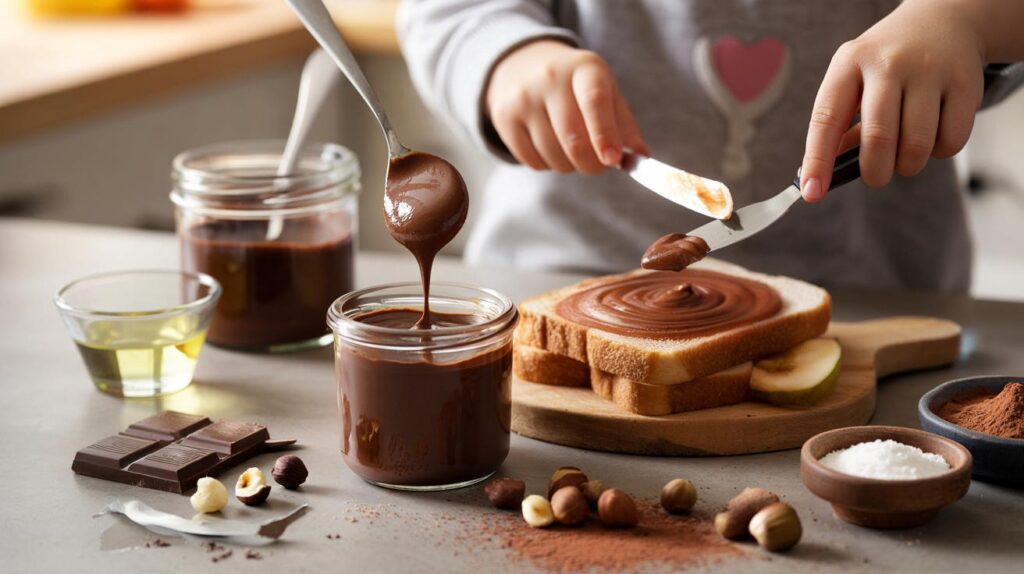
October brings chilly afternoons and hungry kids. Slices of toast stack up. Jars empty fast. One kitchen trick changes everything.
Across family kitchens, a silky chocolate–hazelnut spread made from five familiar ingredients is edging into the spotlight. It promises control over sugar, real roasted nut flavour, and a texture that glides over warm bread without a fight.
What’s behind the buzz
People want shorter labels and fuller flavour. A homemade spread gives both. You roast the nuts, you decide the sweetness, and you skip palm oil and emulsifiers. The result tastes fresher, smells warmer, and feels more honest than a long-life jar from the shelf.
No palm oil, no additives, no guessing. Just hazelnuts, dark chocolate, sugar, oil and a pinch of salt.
Households also feel the pinch. With hazelnut prices fluctuating, branded spreads jump around in cost. A home batch delivers predictable value and turns a midweek snack into a small event.
The 5-ingredient method
Your shopping list
| Ingredient | Quantity | Notes |
|---|---|---|
| Whole hazelnuts | 200 g | Roast to unlock aroma and natural oils |
| Dark chocolate | 100 g (min. 64% cocoa) | Higher cocoa gives deeper flavour |
| Icing sugar | 70 g | Sift for a smoother finish |
| Neutral oil | 2 tbsp | Sunflower or grapeseed |
| Fine salt | 1 pinch | Balances sweetness |
| Unsweetened cocoa (optional) | 1 tbsp | Extra intensity |
Step-by-step in 20 minutes
Patience at the blender is your secret weapon. The longer you blend, the silkier the spoonful.
Variations people actually make
- Softer for kids: swap half the dark chocolate for milk chocolate.
- Lift the aroma: add 1 tsp vanilla extract or a pinch of cinnamon.
- Coffee kick: ½ tsp instant espresso powder for depth.
- Crunch factor: stir in chopped roasted hazelnuts at the end.
- Salty finish: a whisper of flaky sea salt on the toast, not in the jar.
How it stacks up against a shop jar
A typical branded chocolate–hazelnut spread lists sugar first and uses palm oil for texture. Hazelnut levels often sit in the low teens by percentage. This home batch flips the balance: nuts first, then chocolate, modest sugar, and no palm oil.
| Measure (approx.) | Homemade batch | Typical supermarket spread |
|---|---|---|
| Hazelnut share | About 50% | Often around 10–15% |
| Sugar share | About 18% | Often around 50–60% |
| Fats used | Nut fats + a little neutral oil | Often includes palm oil |
| Additives | None added | Emulsifiers and flavourings common |
| Yield per batch | Roughly 380–420 g | Jars vary (350–750 g) |
You control the ratios. That single choice shifts flavour, texture and how filling each spoon feels.
What it costs you
Prices vary by shop and season, but a rough UK supermarket tally puts a 400 g homemade jar between £3.50 and £5.50, driven mostly by hazelnut price. That works out at about 18–28p per heaped tablespoon (20 g). Promotions can make big-brand jars cheaper per spoon on some weeks. The trade-off is ingredient control and flavour profile.
Storage, safety and common questions
How long does it keep?
Seal the jar and keep it in a cool, dark cupboard. Expect 1–2 weeks of peak texture and aroma. Stir if the oil separates. Avoid introducing water into the jar; moisture shortens shelf life.
Do I need to refrigerate it?
Room temperature keeps it spreadable. If your kitchen runs hot, chill it. Let it return to room temperature and stir before serving.
Any allergy risks?
This spread contains tree nuts and may not suit mixed-allergy households. Clean equipment carefully if you also process peanuts or sesame to avoid cross-contact.
What if I want less sugar?
Cut icing sugar to 40–50 g, then add 1 tsp honey or maple for balance. Lower sugar can thicken the texture; add a touch more neutral oil to compensate.
Serving ideas that win the school run
- Warm toast soldiers with sliced pear or banana.
- Brioche or crumpets, lightly toasted to keep the crumb soft.
- Pancakes, folded with a ribbon of spread and a dusting of cocoa.
- Yoghurt swirl with chopped hazelnuts and berries.
- On porridge with a pinch of sea salt for contrast.
- Whipped mascarpone topping for cupcakes or a Swiss roll filling.
For the numbers people
| Metric | Figure |
|---|---|
| Total time | About 20 minutes (12 roasting, 8 blending and mixing) |
| Estimated servings | 18–20 spoons (20 g each) per batch |
| Approximate sugar per spoon | 3.5 g |
| Texture tips | Blend until the paste runs freely from a spoon in a slow ribbon |
| Waste cut | Roast skins become compostable; jars are reusable |
Practical upgrades for busy households
Double the nut roast and freeze half the skinned hazelnuts. Next time, you blitz straight from frozen and shave minutes off the process. A high-power processor changes everything here; if yours struggles, split the batch in two and blend longer, pausing to scrape the sides.
Swap in almonds or peanuts for different price points. Almond–chocolate leans marzipan-like, while peanut–chocolate reads like a brownie on toast. Date-sweetened versions taste lovely but spoil faster, so make small jars and chill them. If you want a glossy finish for baking, add ½ tsp sunflower lecithin to help emulsify.
Five ingredients, one tray, one blender. In 20 minutes, your after-school ritual gets a warm, nutty upgrade.



I made the batch as written—200g nuts, 64% cocoa, 70g icing sugar—and it’s silkier than my usual jar, no palm oil, warmer aroma. Definitly a keeper for school-run toast soldiers. Pro tip: patience at the blender really paid off; kept going until it ran like a slow ribbon.