
With Halloween looming and Christmas on the horizon, families are hunting for cheerful, purse-friendly toys that still feel special.
Pocket-money prices are back on the high street, and Dunelm’s latest novelty plushies have landed at just the right moment for parents. The range puts seasonal charm front and centre, while keeping costs low enough to spread smiles between siblings without stretching the weekly shop.
What shoppers will find on shelves
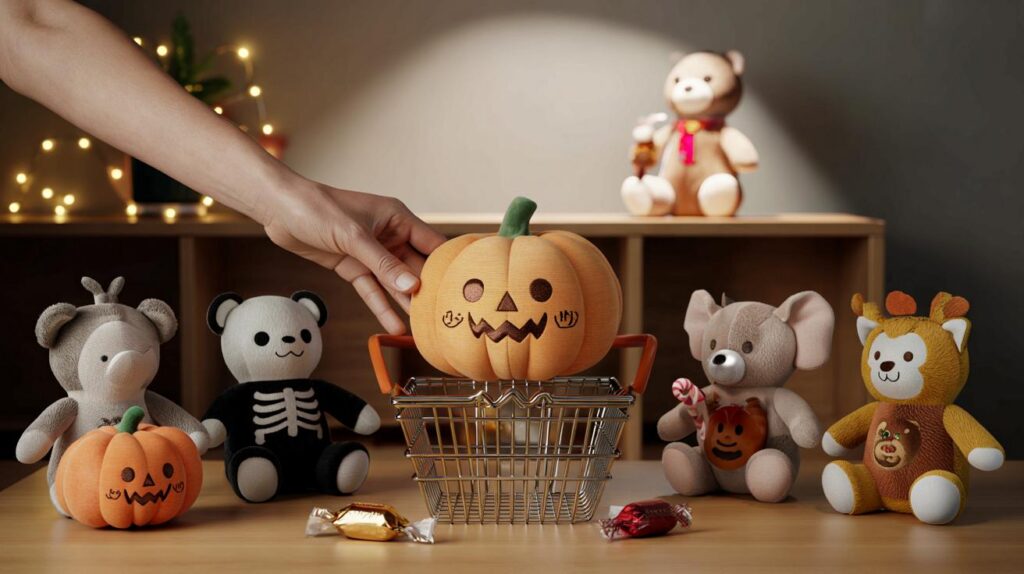
Dunelm has quietly built a line-up of novelty soft toys designed for quick wins and small budgets. The headline-grabber is a squat, embroidered pumpkin plush priced at £4. It sits alongside a spider, a bear in a skeleton outfit and a cat dressed as a pumpkin, with most Halloween pieces running between £4 and £6. The line also includes everyday animals such as elephants and giraffes at £4, plus a gingerbread figure holding a candy cane at £5 for the festive season. Even pets get a look-in, with a sprout squeaky toy aimed at dogs.
Seasonal soft toys from £4 to £6 are giving families low-cost ways to mark Halloween now and Christmas next.
The budget pitch is clear: keep prices below the double-digit threshold where impulse buys become a debate, and make designs bright, giftable and ready for photos.
A seasonal swap without the sting
Jellycat remains the reference point for plushies with personality, yet entry prices commonly start around £15. Dunelm’s £4–£6 ticket undercuts that by more than half. For parents planning trick-or-treat buckets, classroom tokens or stocking fillers, the arithmetic matters. Two Dunelm plushies plus a bag of sweets can come in below the price of one premium toy, and still deliver that moment of delight at the doorstep or under the tree.
Two or three plushies for under a tenner gives households room to treat multiple children without derailing budgets.
A closer look at the £4 pumpkin
The pumpkin soft toy targets the sweet spot between decoration and cuddle. It measures roughly 10cm high, 10cm wide and 12cm deep, with embroidered features and rosy cheeks that avoid the hard plastic eyes often found on cheaper toys. Polyester fabric and stuffing keep it light, with a rounded shape that sits neatly on a shelf or in small hands. Shoppers have rated it highly, with a perfect 5-star average across a modest stack of 13 customer reviews, suggesting it delivers on softness, size and smile factor.
| Item | Theme | Approx size | Price |
|---|---|---|---|
| Pumpkin plush | Halloween | 10 x 10 x 12 cm | £4 |
| Spider plush | Halloween | Small | £4–£6 |
| Skeleton bear | Halloween | Small | £4–£6 |
| Cat in pumpkin outfit | Halloween | Small | £4–£6 |
| Elephant or giraffe | Everyday | Small | £4 |
| Gingerbread with candy cane | Christmas | Small | £5 |
How the quality stacks up
The embroidered faces suggest a focus on durability and child-friendliness over glued-on parts. Stitching looks reinforced on stress points, and the compact shape helps seams withstand being tossed around. Some buyers have compared the feel favourably to pricier brands, and while the fabrics will differ at this price, the gap is narrower than you might expect for a toy under a fiver.
Embroidered features and dense stuffing lift the toys above typical bargain-bin quality, despite the low price.
Who these toys suit
Small plushies fill several roles: a soft reward in a sticker chart, a non-food treat for children with dietary restrictions, a nursery shelf prop or a table-place keepsake for a Halloween tea. They also work as costume companions in photos, and the gingerbread figure all but invites a spot in a December advent basket. The dog-friendly sprout caters for households where the family pet gets a seat at the festivities.
- Pocket-money purchases for children learning to save and spend
- Party-bag fillers or classroom prize-box rewards
- Seasonal decor that doubles as a toy
- Stocking fillers under £5 for larger families
- Pet-safe festive chew for supervised play
Care, safety and storage
Shoppers should look for a UKCA or CE mark on the label to confirm compliance with toy safety standards. Embroidered eyes reduce the risk of parts coming loose, yet parents should still check seams and trims before handing to under-threes. Most small plushies at this price are surface-clean only; a damp cloth and mild soap keep colours crisp without warping the stuffing. Keep toys away from open flames around candles and pumpkins, and avoid leaving soft items in a cot with a sleeping baby.
Stretching value through the season
If you plan multiple seasonal buys, rotate toys between rooms so they feel fresh. A simple repair kit with a curved needle and strong thread extends lifespan after heavy play. At the end of the season, store plushies in breathable cotton bags with a sachet of bicarbonate of soda to absorb odours. Come January, donate items still in good condition to a charity shop or school reward cupboard to keep them circulating.
What this tells us about the toy market
Micro-plushies have carved out a space between premium collectibles and discount-bin novelties. Social media has nudged designs towards expressive faces and themed costumes that photograph well at pocket scale. For retailers, the sub-£6 price point drives impulse add-ons; for parents, it creates a cushion against fast-changing tastes. The ability to pick up two for siblings without running comparisons about who spent more reduces household friction around treats.
Low ticket prices make seasonal joy repeatable: Halloween now, a gingerbread in December, a spring chick next year.
Budget check: how the numbers add up
Consider a family with two children. One Jellycat at £15 each would be £30 before wrapping. The Dunelm route could be two Halloween plushies at £4 each plus a £5 gingerbread for the toy box, totalling £13. That leaves £17 spare for craft supplies, a pumpkin carving kit or a cinema trip. The maths changes the shape of a weekend, not just the toy shelf.
Extra tips for parents
Want to turn a £4 plush into an activity? Build a 20-minute story time around the toy: write a name on a gift tag, set a small challenge such as “find something orange”, and reward with a sticker. For older children, try a simple “plush passport” sheet where they record places the toy visits during half-term, encouraging reading and drawing without needing screens.
For children who find transitions tricky, a small seasonal companion can act as a visual cue. The pumpkin comes out for October routines, then hands over to the gingerbread for December tasks. The shift signals change gently, while keeping continuity with a familiar, friendly face.


