
Britain’s favourite everyman comic has opened up about food, fame and the long shadow of old habits, stirring empathy and debate.
At a candid theatre event in Salford, Peter Kay spoke about decades of dieting, the lure of quick fixes and the moment he faced down a binge. His account did not seek pity. It offered a glimpse into a life lived loudly on stage and quietly in kitchens, cinemas and corridors where willpower frays.
A lifetime of dieting behind the jokes
The Bolton-born star, now 52, said the first 48 years of his life revolved around trying to lose weight. He has tried group programmes, calorie counting and the familiar Monday-morning reset that millions know too well. He did not glamorise any plan. He focused on why the cycle can grip a person for so long.
The remarks came during a conversation hosted by broadcaster Sara Cox at The Lowry theatre. Kay described the tug of food during work and rest, and why he now thinks less about image and more about health. Laughter punctuated the discussion, but the message landed plainly.
For nearly five decades he chased weight loss. The turning point arrived when health, not headlines, became the yardstick.
The moment that made him stop and think
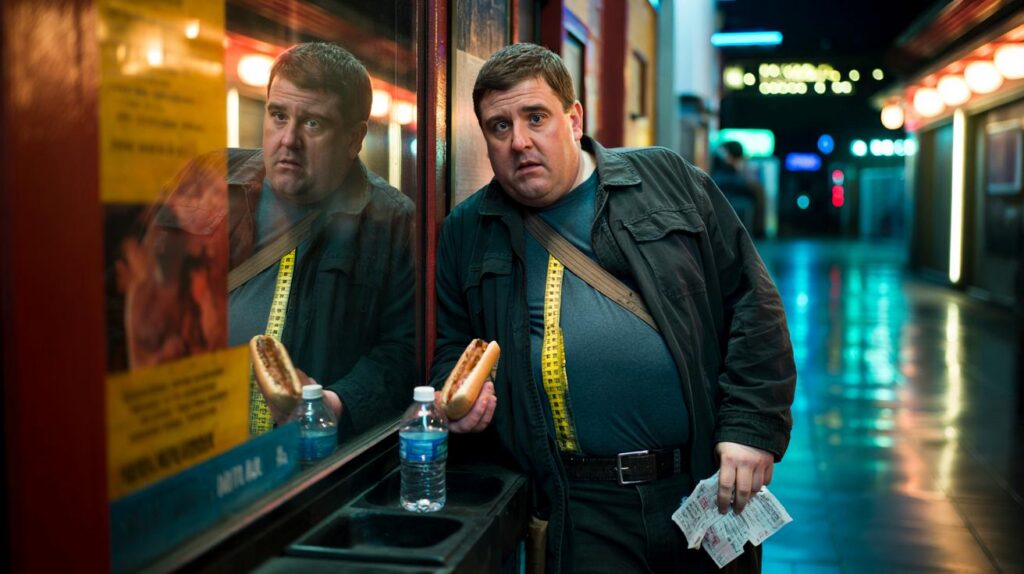
One story stuck with the audience. During a cinema trip with his wife, he slipped out under the pretext of a toilet break and bought a hot dog. He caught his reflection in a framed poster on the wall and felt a wave of shame. He binned the food. Then, in a split second of compulsion, he fished it back out and ate it anyway.
That flash of behaviour, he said, looked like a small act but felt like proof that dieting alone rarely fixes the urge to binge. It opened a door to address patterns rather than just the plate.
A single snack can become a mirror. The story mattered not for the hot dog, but for the honesty about control and craving.
Food memories that go back to childhood
Kay traced his appetite to early family rituals. He joked about pies on pram rides, special deliveries to the school dinner line, and biscuits hidden in unlikely places at home. He knew every stash. Those formative moments, he suggested, shaped comfort and reward long before fame, touring or TV sets ever entered the frame.
Learned habits start early. When treats equal love, adulthood can turn that script into late-night binges and secret snacks.
From retreat to resurgence on stage
His professional story over the past eight years sits alongside the personal one. In 2017 he stepped away from a planned tour due to family circumstances. He returned to the stage in 2021 for two charity nights supporting student Laura Nuttall, who lived with an aggressive brain cancer. A year later he announced a major arena run, his first in over a decade, and built a schedule stretching across the country and into 2026. A monthly residency at London’s O2 Arena between December 2024 and July 2025 anchors the calendar.
| Year | Milestone |
|---|---|
| 2017 | Paused touring due to unforeseen family circumstances |
| 2021 | Returned for two charity shows in aid of Laura Nuttall |
| 2022 | Announced more than 100 arena dates for a nationwide tour |
| 2024–2025 | Monthly residency at the O2 Arena, December to July |
| 2025–2026 | Further dates in Nottingham, Birmingham, Manchester, Liverpool, Glasgow and beyond, running to April 2026 |
Why binge eating can shadow success
Comedians often work late, travel constantly and eat wherever queues are shortest. Backstage snacks, motorway services and irregular sleep raise the odds of grazing and overeating. Add fame, pressure and long stretches away from home, and a diet plan can crumble without a deeper shift in habits.
- Irregular routines disrupt hunger cues and make portion control harder.
- Social settings push food as comfort, celebration and stress relief.
- Diet plans work better when they fit a person’s week, not the other way round.
- Relapse is common after heavy restriction, especially during travel or fatigue.
- Support, not secrecy, reduces shame and improves consistency.
Lasting change rarely starts with a list of banned foods. It starts with patterns, people and a plan you can actually live with.
Practical steps you can try this week
- Build a routine: anchor three meals to fixed points in your day, even on trips.
- Plan friction: keep nourishing snacks ready, and make high-calorie impulse foods less reachable.
- Spot triggers: note time, place and feeling before a binge; change one piece of that pattern.
- Eat enough protein and fibre at meals to delay hunger and blunt cravings.
- Allow favourite foods in measured portions so nothing becomes forbidden fruit.
- Ask for help: a GP, a registered dietitian or a community group can add structure and accountability.
- Move for mood: target 150 minutes of moderate activity a week; consistency matters more than intensity.
Group programmes and what they actually offer
Kay mentioned joining mainstream weight-loss groups over the years. These programmes often use points, swaps or “free” food lists to simplify choices, paired with weekly meetings. For some people, that social check-in keeps effort high and isolation low. For others, the system feels rigid and collapses during holidays, nights out or night shifts. The method is less important than the match to your lifestyle. If a plan fits your calendar and your palate, you’ll stick with it longer.
Think about three filters before signing up. First, can you imagine doing this for six months without white-knuckle discipline? Second, does it help you eat more whole foods and fewer ultra-processed snacks without demonising any one item? Third, does it respect your budget and time? If the answer is yes twice, you have a decent starting point.
What this means if you’re seeing him on tour
Tour nights invite queues, drinks and late takeaway runs. You can still enjoy the evening and keep goals intact. Eat a balanced meal two hours before the show. Carry a bottle of water and a simple snack, such as a yoghurt pouch or a banana, to fend off impulse buys. If you want something from the concourse, share it or choose the smallest size. Then park the decision. One treat doesn’t dictate tomorrow.
For many fans, Kay’s candour may land closer to home than any punchline. It reminds people that weight is not a willpower contest. It is a knot of habit, history and environment. Untying that knot takes patience, not perfection.
Numbers that help frame the challenge
Small changes move the needle. Trim an average of 200–300 kilocalories a day through food swaps and extra walking and you may see around 0.2–0.3 kilograms a week come off over time. Results vary, and plateaus happen. The target is a pattern you can repeat when you are busy, stressed or travelling. That is the road that outlasts any tour schedule, any poster on a wall, and any late-night snack calling your name.



As someone who spent years yo-yoing between calorie counting and “Monday resets”, this resonated. The hot dog moment—bin, then retrieve—felt painfully honest. Thank you for shifting the focus from image to health; that reframing definetly helps.