
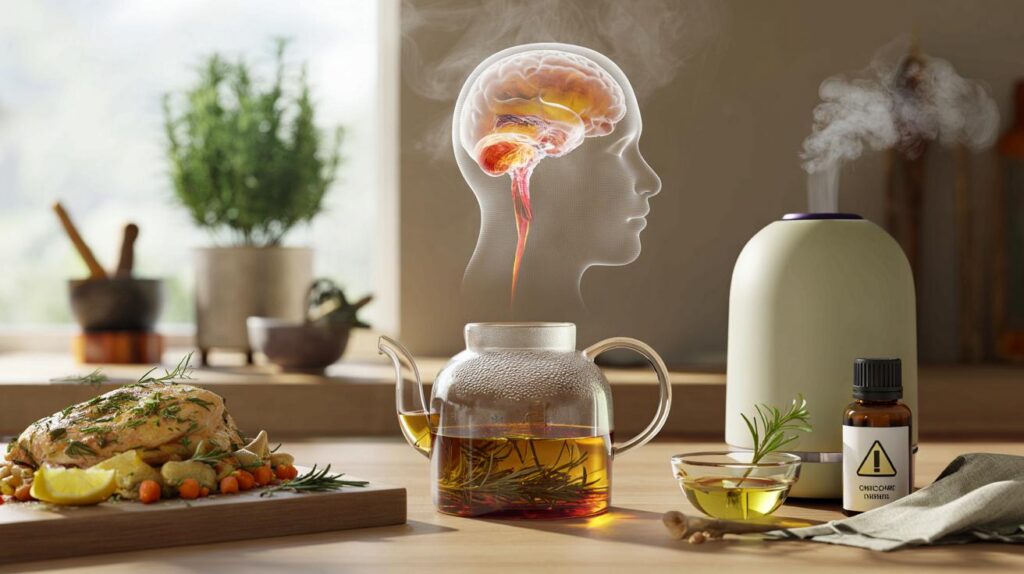
A familiar sprig carries a deeper story, from student desks to lab benches, drawing fresh attention as scientists revisit age-old remedies.
Long prized for flavour, rosemary is now under the microscope for its effects on memory, anxiety and long-term brain health. Fresh findings in 2025 add momentum, putting this Mediterranean staple back on people’s radar.
What the research says
Small human trials link rosemary’s scent to sharper recall in short memory tasks. Volunteers working in rooms scented with the herb performed better than those in unscented spaces. The effect appears tied to 1,8‑cineole, a molecule in rosemary oil that slows the breakdown of acetylcholine, the neurotransmitter that supports learning and attention.
There is also a relaxation angle. Several studies suggest rosemary’s aroma reduces perceived anxiety and may support better sleep quality. Less stress can mean clearer thinking the next day, especially in busy or older adults.
Beyond aroma, rosemary is rich in antioxidants, including rosmarinic acid and carnosic acid. These compounds help neutralise oxidative stress, a process that damages cells and contributes to age-related cognitive decline. Lab models show carnosic acid activates pathways that protect neurons when inflammation flares.
Early-stage work points to a rosemary-derived molecule that boosts synapses and cuts toxic proteins linked to Alzheimer’s, with activity focused on inflamed brain regions.
In 2025, researchers reported a stabilised form of carnosic acid, known as diAcCA, that remained inactive until it reached inflamed tissue. In mouse models, diAcCA improved memory performance, increased synaptic connections and reduced amyloid-beta and tau, the hallmark proteins that accumulate in Alzheimer’s disease. No toxicity emerged in these animals, paving the way for the next step: carefully designed human trials.
The stakes are high. Alzheimer’s sits at the top of dementia causes worldwide, with more than 55 million people living with dementia globally. In the UK, close to 900,000 people live with the condition, placing families and health services under heavy strain. Any safe, affordable tool that nudges risk in the right direction attracts keen interest.
The brain mechanisms in plain terms
- Blood flow: rosemary can stimulate circulation, potentially delivering more oxygen and nutrients to the brain.
- Neurotransmitters: 1,8‑cineole helps preserve acetylcholine, underpinning attention and recall.
- Stress response: soothing aroma signals calm, which can aid focus and sleep quality.
- Cell defence: antioxidants dampen oxidative stress and inflammatory cascades that harm neurons.
Think of rosemary as a nudge: support for signalling, circulation and cell defence, rather than a stand-alone cure.
Beyond the brain
Traditional use meets modern evidence in the gut. People have long used rosemary to ease indigestion and bloating, and laboratory studies show anti-inflammatory and spasm-relieving effects in intestinal tissue. The same phytochemicals that protect neurons also show antimicrobial activity. Rosemary extracts can inhibit certain bacteria and fungi, a property now explored for food preservation and topical formulations.
Skin health is another frontier. Rosmarinic acid has calming effects on redness, while carnosic acid may help defend against photoageing by limiting damage triggered by ultraviolet exposure. Early clinical signals suggest benefit in acne-prone and eczema-prone skin when used in well-formulated products.
How to use rosemary safely
Whole herb forms used in cooking and tea carry a long track record of safe use for most people. Concentrated extracts and essential oils need more care. The oil is potent and not for swallowing.
| Form | Typical use | Suggested amount | Notes |
|---|---|---|---|
| Fresh sprigs | Cooking with meat, fish, vegetables | 1–2 sprigs per dish | Add early for flavour; remove woody stems before serving. |
| Dried leaves | Seasoning and herbal tea | ½–1 teaspoon in food; for tea, 1–2 teaspoons per mug | Steep 5–10 minutes for a robust infusion. |
| Essential oil (aromatherapy) | Diffuser or inhalation | 1–3 drops in water-based diffuser | Do not ingest; ventilate rooms; keep away from children and pets. |
| Topical oil (diluted) | Scalp massage or skincare | 1–2% dilution in a carrier oil | Patch test first; avoid broken skin and eyes. |
| Standardised supplements | Capsules or tablets | Follow the label | Seek medical advice if you take regular medicines or have a condition. |
Essential oil is not a drink. Keep it out of reach, and never use it undiluted on skin.
Who should take extra care
- People with epilepsy: high doses and essential oil may lower the seizure threshold.
- Pregnant people: avoid high-dose extracts due to a theoretical risk of uterine stimulation.
- Those on blood thinners or anticoagulants: interactions are possible with concentrated forms.
- Anyone with allergies to Lamiaceae herbs (mint family): watch for cross-reactions.
What scientists are testing next
The diAcCA approach seeks precision: stay quiet in healthy tissue, switch on in the inflamed zones typical of neurodegenerative disease. Researchers are mapping dosing, timing and how best to measure change. Expect early-phase human trials to track cognition with standard tests, alongside biomarkers such as amyloid, tau and inflammatory signals in blood or cerebrospinal fluid. Safety monitoring will dominate the first studies.
Because inflammation links many conditions, teams are also eyeing type 2 diabetes, cardiovascular disease and Parkinson’s. The same mechanism that protects neurons could calm harmful inflammation in other organs, but only rigorous trials will show if lab gains translate to people.
Simple ways to bring rosemary into your day
- Study trick: pair a rosemary scent in your study space with a light whiff during revision breaks; repeat the scent when you need to recall.
- Weeknight cooking: rub chopped rosemary, lemon zest and olive oil onto chicken or chickpeas; roast with carrots for a fibre-rich, Mediterranean-style dinner.
- Tea time: steep dried leaves with a slice of orange peel; sip in the afternoon instead of a second coffee.
- Scalp care: massage a 1% rosemary-in-jojoba blend onto the scalp before washing; patch test first if you have sensitive skin.
Small, regular habits beat sporadic megadoses. Aim for consistency with food, scent or tea rather than chasing instant results.
What this means for you and your family
Think of rosemary as one piece in a broader brain-health toolkit. A pattern that benefits memory also includes regular movement, seven to eight hours of sleep, hearing protection or aids when needed, blood pressure management, smoking cessation and a diet built around plants, legumes, olive oil and fish. Rosemary sits neatly within a Mediterranean-style approach many households already enjoy.
Quality matters. Buy essential oil from reputable suppliers and check the botanical name on the label. Store dried herbs away from heat and light, and replace them when the aroma fades. If you grow rosemary in a pot, give it sun, good drainage and a light trim to keep volatile oils fresh in the leaves.
Curiosity drives progress. If you consider supplements, keep a symptom diary for four to six weeks and discuss it with a healthcare professional, particularly if you take regular medication. People differ in response, and what helps one person may leave another unchanged. That is where careful, blinded trials will provide clearer answers in the months ahead.



Loved the clear breakdown—1,8‑cineole helping acetylcholine and the antioxidant angle with carnosic acid. I’ll definately try the tea swap in the afternoon. For dried leaves, is 1–2 teaspons per mug too much if I’m sensitive to caffeine jitters? Thanks for the practical table and the “don’t drink the essential oil” warning.