
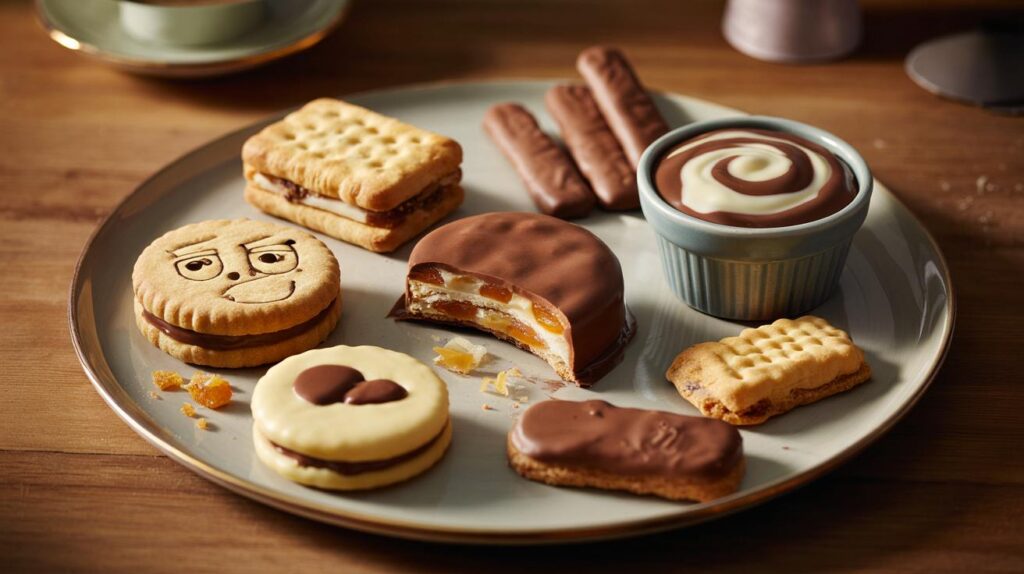
Nostalgia is nibbling at Britain’s biscuit tin again, as shoppers trade memories of school snacks and tea-time treats.
Across the country, people are sharing tips on where to find long-vanished favourites and asking whether any could make a comeback.
- Seven once-ubiquitous biscuits have vanished or grown scarce on shelves.
- Fans have launched petitions and nostalgia drives to revive beloved brands.
- Some can still be found occasionally, while others remain a fading memory.
From lunchbox legends to coffee-dipped icons, Britain’s biscuit heritage is richer than many supermarket aisles suggest.
The seven we miss
Cartoonies
Mini bites with a crisp shell stamped with cartoon faces and a soft chocolate middle. They lit up the 1990s and early 2000s snack scene. After Burton’s Biscuits changed hands in 2013, sightings dwindled. Fans still call them the best they ever dunked, yet mainstream availability has dried up.
Garibaldis
Named for Italian general Giuseppe Garibaldi, these raisin-studded strips were once a tea-time staple. Many grew up snapping the perforated lengths apart and joking about their cheeky “squashed fly” nickname. They have not completely disappeared, but they’re notably tougher to find in many big stores than a decade ago, with regional variations in supply.
Penguin Flipper Dippers
Chocolate-flavoured biscuit fingers paired with a two-tone dip. Launched as McVitie’s answer to on-the-go dipping cups, they became a lunchbox highlight in the early noughties. The novelty faded and production stopped, leaving adults to reminisce about the excitement of opening the lid and scraping the last streaks of dip.
Bisc& bars
A hybrid range bridging biscuit and chocolate bar. Four versions borrowed the biggest names in confectionery: Mars, Twix, Bounty and M&Ms. The idea launched in 2003, then blinked out by 2006. The timing felt right for indulgence, but hybrids are difficult to price and place, and the line could not establish a long-term fanbase.
Echo bar
Fox’s created a layered treat in 2000: bubbly white chocolate on a biscuit base, enrobed in milk chocolate. It arrived to compete with the dominant two-finger classics. Production ended around 2012. A public push gathered more than 600 signatures to bring it back, yet the maker has said it has no current plans to revive it.
Gypsy creams
Buttery, crisp biscuits sandwiching a light buttercream. A favourite in the 1970s, they later fell away and McVitie’s dropped them in 2005. Home bakers now keep the memory alive with copycat recipes, sometimes swapping in cocoa or coconut for regional twists that once circulated abroad.
Cafe Noir
A coffee-lover’s choice: a crisp biscuit capped with glossy coffee icing. Reports of discontinuation have swirled for years. In practice, they still appear sporadically, though far less frequently than before. Persistence helps, and smaller retailers sometimes surprise.
One discontinued icon drew 600+ signatures for a return. Nostalgia is loud. Shelf space is louder.
Why favourites vanish
Food firms prune ranges constantly. Supermarkets ration shelf space and chase fast sellers. Raw material costs rise and squeeze margins. Changing tastes favour new textures, lighter formats, or protein claims. Health rules and sugar targets push reformulation, and not every classic survives the shift.
Hybrids such as Bisc& thrived on novelty yet struggled with identity. Are they biscuits or bars? Where do they sit in aisle plans, and which budget do buyers use? The answer can decide whether a product gets another year.
Where to search and what to expect
Stock can be patchy, so plan a little hunt. Independent corner shops, discount chains and specialist grocers rotate lines that big supermarkets drop. Importers sometimes list near-identical recipes produced for Ireland or continental markets. Online marketplaces surface job lots, short-dated stock and collectors’ keepsakes, though prices vary.
| Biscuit | Era of peak popularity | Status now | Where to look |
|---|---|---|---|
| Cartoonies | 1990s–2000s | Not on major shelves | Collectors and nostalgia forums |
| Garibaldis | 20th-century staple | Scarcer, brand-dependent | Regional supermarkets, independents |
| Penguin Flipper Dippers | Early 2000s | Discontinued | Old stock only |
| Bisc& bars | 2003–2006 | Discontinued | Memorabilia groups |
| Echo bar | 2000s | Discontinued | Petition pages, fan communities |
| Gypsy creams | 1970s | Discontinued | Homemade versions |
| Cafe Noir | 1980s–2000s | Occasional availability | Specialist and online retailers |
Could they return?
Brands do resurrect hits when the numbers add up. Fan noise matters, but so does factory capacity, ingredient sourcing and retailer support. The Echo bar campaign proves the appetite is there; the commercial risks explain the hesitation. A comeback often starts as a limited run. That tests demand without tying up lines for months.
Limited runs and seasonal drops are the realistic path back for most retired biscuits.
How to scratch the itch now
Swap-ins that hit similar notes
- Love coffee icing? Pair a plain biscuit with a strong espresso glaze at home.
- Miss creamy sandwich centres? Bake short oaty rounds and whip a light vanilla buttercream.
- Chasing chocolate-and-biscuit layers? Stack a wafer, a square of aerated chocolate and a thin coating of melted milk chocolate.
Host a throwback tasting
Set a £5 budget per person and ask friends to bring one “retro-adjacent” biscuit. Cover the brand and run blind scoring for crunch, flavour, dunk-ability and nostalgia value. Track results and crown a winner. You may find a new favourite while you wait for an old one to return.
Buyer’s notes and practical tips
Short-dated finds can be bargains. Check seals and look for excessive bloom on chocolate. Store biscuits in airtight tins with a silica sachet to keep snap and resist humidity. If you freeze batches, wrap tightly and thaw unwrapped to avoid condensation softening the texture.
Allergens shift when recipes move factory. Always read the current label, especially for nuts, milk, gluten and soya. Vintage stock can also carry outdated information, so treat collectors’ packs as keepsakes rather than snacks.
What your memories reveal
Much of the affection here is ritual. Lunchboxes, tea breaks, grandparents’ cupboards. The texture, the snap, the way icing melts into hot tea. When brands retire lines, we don’t just lose flavours. We lose small routines that marked a moment in the day. That’s why a petition gathers signatures, and why a chance sighting on a shelf still sparks a smile.



Take my £2.50 for an Echo bar revival! The bubbly white choc over biscuit was elite. McVitie’s, Fox’s—whoever—just do a limited run and watch it sell out. Nostalgia isn’t just vibes, it’s repeat purchase. Pretty please, definately.
Am I the only one who thinks £2.50 for a single throwback is steep? Feels like a nostalgia tax. If supply was ‘scarcer’ because of shelf space, why not a mixed “classics” box to spread costs? Genuinly curious.