
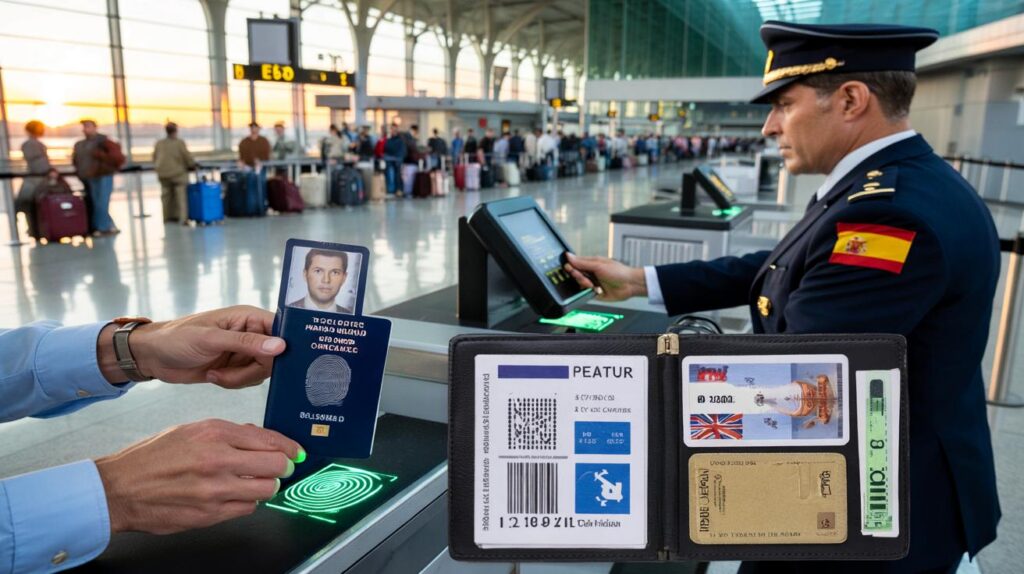
Autumn sun tempts many back to Spain, yet airport routines are shifting. Small mistakes with passports or stamps could derail plans.
Spain pulls in millions of UK visitors chasing warmth, food and value. From 12 October, border gates across much of Europe begin using a new system that records arrivals digitally. Here’s what changes for you, what stays the same, and how to avoid painful queues or a denied entry stamp.
What changes on 12 october
The European Union’s Entry/Exit System (EES) starts on 12 October for short-stay arrivals and departures in the Schengen area, which includes Spain. You count as a third‑country visitor, so border officers must register your entry and exit electronically.
- Border staff take your fingerprints and a live photo the first time you cross after launch.
- Officers ask standard Schengen questions about your trip, funds and accommodation.
- The system replaces manual passport stamping once fully rolled out, though stamps may still appear during bedding‑in.
Expect the first EES registration to add a few extra minutes per traveller. Arrive earlier than you normally would.
You don’t need to pre‑register or pay. The process happens at the border, and there is no fee.
You do not need to do anything before you travel for EES, and no charge applies at the checkpoint.
Passport validity rules that catch travellers out
Schengen rules on passport dates trip many people up, especially those with older UK documents renewed before changes in 2018.
The 10-year issue date trap
Your passport’s “date of issue” must be less than 10 years before the day you arrive in Spain. Some UK passports issued before 1 October 2018 carried extra months added on renewal; those extras do not help for Schengen entry. Border systems check the print line: if the issue date is too old, you risk being turned away.
The three-month expiry buffer
Your passport must expire at least three months after the day you plan to leave the Schengen area. This rule applies regardless of the 10-year limit above. Check both dates against your flights before you book, not the night before you fly.
Two dates to check now: issue less than 10 years before arrival; expiry at least 3 months after departure.
Visa-free stays: how the 90 in 180 rule really works
UK nationals can visit Spain and the wider Schengen area without a visa for up to 90 days in any rolling 180‑day period. The clock covers tourism, visiting family, business meetings, cultural or sporting events, and short courses or training.
- Tourism and leisure trips
- Visits to relatives or friends
- Business meetings, conferences and trade fairs
- Cultural or sporting fixtures and short training
Working is different. Paid activity usually needs a visa or work authorisation arranged in advance. Border officers check your stamps and the electronic record to see if you’ve overstayed.
A quick scenario to test your dates
You spend 28 days in Spain across October. In December you do 20 days in Portugal. In February you fancy 50 days in the Canaries. Count back 180 days from your planned February arrival: your October and December trips sit inside that window. You have 42 days left, not 50. Cut the trip or start later so enough days fall outside the 180‑day look‑back period.
Border checks: documents you may need on the day
Spanish officers can ask for proof that matches the purpose of your stay and shows you can support yourself. Keep these within easy reach, not buried in hold luggage.
- Return or onward ticket that fits within 90 days.
- Evidence of travel insurance covering medical costs.
- Proof of funds for the trip, such as recent bank statements or a prepaid card statement.
- Accommodation details: hotel confirmations or proof of ownership if using your own home.
- If staying with friends or relatives, an address and, where requested, a “carta de invitación” from your host.
If your passport has been reported lost or stolen at any point, you will be refused entry. Make sure your document is valid and traceable before you leave for the airport.
Queues and biometrics: how to beat the wait
First‑time EES enrolment adds steps, so plan for slower lanes, especially at peak times and with family groups.
- Arrive earlier than your usual airport routine, particularly for school holiday weekends.
- Keep your passport open at the photo page as you approach the booth.
- Remove hats and non‑prescription sunglasses for the live photo.
- Carry documents in a clear wallet to avoid rummaging at the desk.
- Explain your itinerary briefly and clearly if asked. Short answers speed the line.
Before you go: a simple checklist
| Checkpoint | What to show |
|---|---|
| Passport dates | Issue under 10 years before arrival; expiry 3+ months after Schengen departure |
| Trip purpose | Tourism, visiting, business meetings, cultural/sports, short training only |
| Tickets | Return or onward travel within 90 days |
| Accommodation | Hotel booking, rental contract, property proof, or host invitation |
| Funds | Recent statements or other evidence you can cover your stay |
| Insurance | Policy schedule showing medical cover in Spain |
| EES at border | Fingerprints, photo, and routine questions; no pre‑registration or payment |
Why Spain keeps winning with UK travellers
Spain combines reliable sunshine, short flight times and prices that hold up well against rival hotspots. The Schengen framework covers 29 countries and more than 450 million residents, letting visitors move between member states with a single set of short‑stay rules. That consistency benefits multi‑stop itineraries, from Barcelona to the Algarve or the Balearics to mainland France.
Extra tips that save stress
Check your passport’s issue and expiry dates before you hit “pay” on flights. If the dates look tight, renew first and travel later. Airlines can refuse boarding if they believe you won’t meet entry rules at the other end.
If you travel with children who have a different surname or without one parent, carry consent letters and proof of relationship. Some carriers request them, and border officers may ask questions to confirm guardianship.
Keep personal entry counts. A simple calendar note that totals Schengen days stops accidental overstays. If you work remotely, ensure your activity fits visitor rules; even unpaid tasks can raise questions if they look like employment.
Finally, expect teething problems as EES starts. Queues shorten once your first biometric enrolment sits on file. On your next trip, the system should recognise you faster, and your entry and exit will log automatically without a manual stamp.



My UK passport was issued 15 Oct 2014 and I arrive 12 Oct 2024. Is that counted to the day—still under 10 years—or do they round up? Bit confussing, and I do NOT want to be turned away at the gate.
Thanks—bookmarked. Didnt know the issue date mattered more than those extra months.