
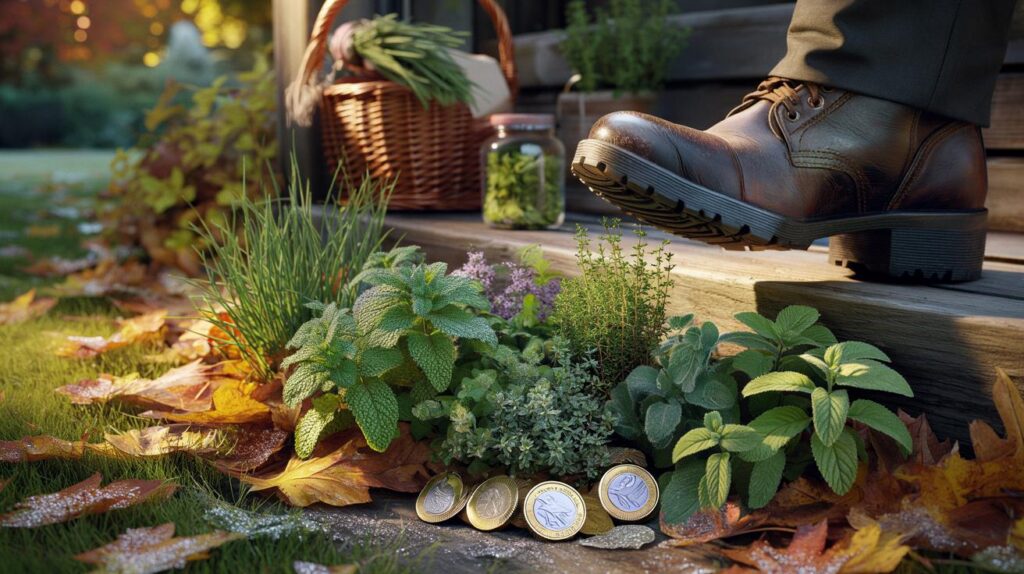
As autumn thins the garden, something underfoot holds warming aromas and a quiet way to stretch household budgets this year.
Across lawns, allotments and verge edges, plants many people call weeds are quietly maturing. Dry them with care and they turn into a pantry staple that shoppers pay premiums for. Mint, nettle, thyme, sage, oregano and chives are not just flavour; dried, they can reach £100–£200 per kilo in specialist retail packs. The season still offers days to gather, dry and store them before frost bites.
Hidden wealth in ordinary herbs
Many gardens host aromatic herbs that regenerate fast, thrive with little input and concentrate their essential oils as temperatures drop. These are not exotic imports. They are familiar plants that, once dried, become compact, fragrant and valuable.
- Mint: prolific, easy to dry for tea blends, lamb rubs and desserts.
- Common nettle: young tops make deep-green tea, powders and soup seasonings.
- Thyme (wild or garden): a cornerstone for roasts, stews and pickles.
- Sage: robust leaves that shine in butter sauces and breadcrumb mixes.
- Oregano: essential for pizza, tomato sauces and grilled vegetables.
- Chives: mild onion lift for omelettes, mash and soft cheeses.
Shops can charge £2–£4 per 20g jar. That scales to £100–£200 per kilo when packaged well.
Why late autumn still matters
Cool, dry spells help herbs concentrate flavour. In late October and early November, many plants hold a final flush before growth stops. That window lets home growers harvest while aromas peak and the air naturally assists drying.
Harvest timing and method
Pick on a dry day once morning dew has lifted. Aim for plants that have not yet flowered or are just pre-flowering; oils are richer then. Keep tools clean to avoid bruising and contamination.
Cut stems a few centimetres above the soil, leave plenty for wildlife and regrowth, and avoid polluted verges.
- Choose pesticide-free spots away from busy roads and dog-walking routes.
- Use breathable baskets or paper bags, not plastic, to prevent sweating.
- Shake off insects gently; do not wash unless necessary, as water slows drying.
Drying like a pro without buying kit
Air drying preserves aroma when you control airflow, temperature and light. Warmth helps, but high heat cooks leaves and flattens flavour. Keep direct sun off to protect colour and oils.
| Method | Temperature | Typical time | Flavour retention |
|---|---|---|---|
| Air hang (bundles upside down) | Room temp, dry, dark | 5–14 days | Excellent if airflow is steady |
| Rack drying (single layer on trays) | Room temp, fan optional | 3–10 days | Excellent with low humidity |
| Oven (door ajar) | Below 40°C | 1–3 hours | Good if not overheated |
Space leaves loosely, turn them daily, and remove any mouldy bits immediately. When a leaf snaps cleanly and feels papery, it is dry. Strip leaves from stems, then crumble lightly to the texture you prefer.
Keep temperatures under 40°C. Above that, delicate oils flash off and the aroma fades.
Storage that protects value
Light, air and moisture are the enemies of dried herbs. Use clean, airtight glass jars or tins. Recycled jam jars work well if fully dry. Label every jar with plant, place and date.
- Store in a dark cupboard away from the hob.
- Avoid plastic bags for long storage; they trap odours and can sweat.
- Check monthly for clumping; if it clumps, it absorbed moisture and needs using first.
Well-dried, well-sealed herbs keep peak flavour for 6–12 months, with best character in the first six.
What could you actually make from a small patch?
Drying concentrates weight dramatically. A simple rule of thumb: 8–10 parts fresh leaves yield 1 part dried. That ratio guides expectations and helps you plan harvests and storage.
- Mint: 1 kg fresh tops → about 120 g dried → six 20 g jars at £2.50 each = £15 of retail value.
- Thyme: 2 kg fresh sprigs → about 250 g dried leaf → strong demand for winter roasts and stews.
- Nettle: 1.5 kg fresh tips → about 180 g powder-ready dry leaf → popular in blends and smoothies.
Artisanal thyme can fetch £100–£180 per kilo from niche buyers, while oregano and sage often sit between £60 and £120 depending on quality. Retail margins include labour, packaging and safety steps, so home use gives the biggest saving. Any local sales should follow food labelling rules and permissions in your area.
From kitchen comfort to side income
Most households benefit first by cooking with their own jars: fewer supermarket trips, reliable quality and bold winter flavour. Some gardeners also trade surplus locally through community groups or markets, where permitted. Neat labels, transparent jars and consistent leaf size give confidence to buyers.
Small-scale trading adds pocket money, but careful hygiene, honest labelling and permission from landowners come first.
Safety, legality and good manners
Foraging rules in the UK allow picking wild leaves for personal use on public land where no by-laws prohibit it. Do not uproot plants, avoid protected species, and get permission on private land. If in doubt, ask the land manager.
- Avoid herb gathering near traffic, sprayed fields or dog-frequented paths.
- Identify plants with two sources; many aromatic mints look similar.
- Wear gloves for nettles; the sting fades when dried but can irritate during harvest.
- Allergies exist; try small amounts first, especially with strong sage and oregano.
Ways to use your jars all winter
Use dried herbs at the end of cooking to keep flavours bright. A pinch goes a long way because water has gone and oils are concentrated.
- Mint: swirl into yoghurt for baked squash, or brew a two-minute tea.
- Thyme: finish pan sauces for chicken and mushrooms.
- Sage: fry in butter and spoon over gnocchi or roasted roots.
- Oregano: wake up tomato soups, bean stews and olive dressings.
- Nettle: grind into a fine powder and shake into omelettes, breads and dips.
Practical extras that raise quality
Blend simple seasoning mixes at home. Combine 2 parts dried oregano, 1 part thyme, 1 part garlic granules, zest powder from one lemon and a pinch of salt for a quick roast rub. Herb salts, finishing oils and tea blends help you use every jar efficiently.
Do a quick moisture test before sealing: place a small sample in a sealed jar overnight. If condensation appears, the batch needs further drying. For better crumbly texture, pulse leaves a few times in a clean blender, then sieve out coarse stalks.
Thinking about value? Track time and costs. A single airing cupboard session can finish a large tray. If you ever sell, list ingredients clearly, add an allergen note where relevant, and include a best-before date six to twelve months from drying. Glass retains aroma, and a simple paper label keeps packaging costs low.



Never thought nettles could be pantry gold. Time to raid the allotment!
£200 per kilo sounds like retail packaging magic. After jars, labels, and time, is there really a saving for home cooks?